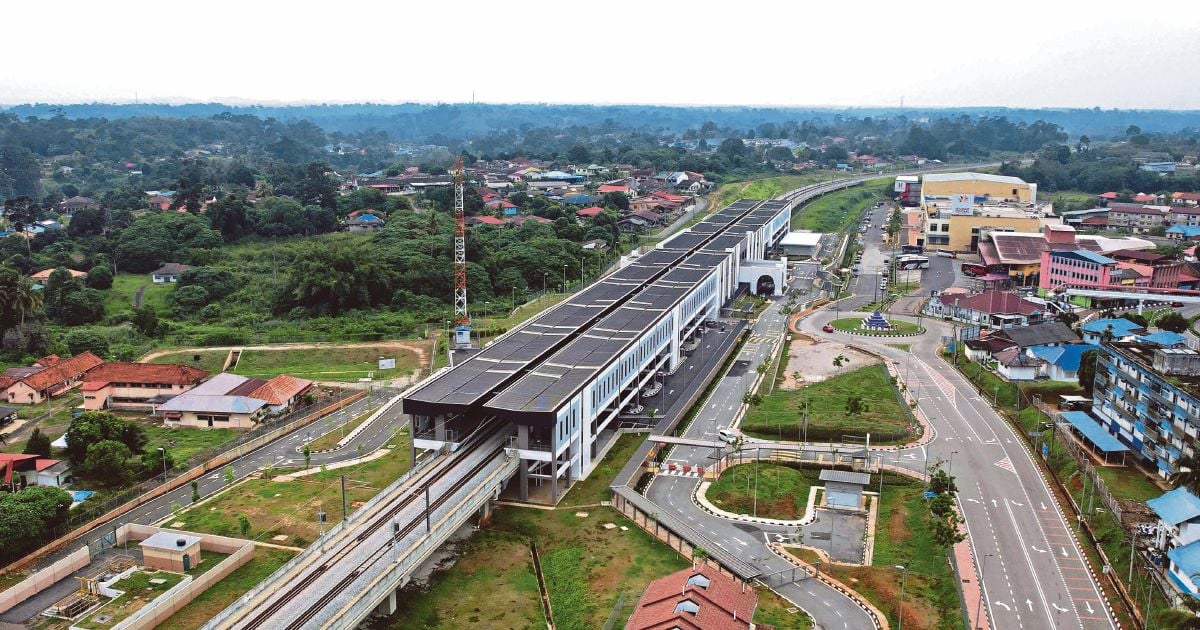
Malaysia's national railway operator Keretapi Tanah Melayu Berhad (KTMB) is mobilising extra capacity on its Electric Train Service (ETS) network to manage anticipated passenger surges as voters head to polling stations during this weekend's Johor state election. The initiative will introduce 7,464 additional seats across the southern sector routes, representing a significant expansion of service frequency designed to ease congestion and encourage voter participation through improved accessibility.
The enhanced transport capacity reflects KTMB's acknowledgement that election days typically generate unusual travel patterns, with citizens returning to their home constituencies to cast ballots. The southern routes, which connect major population centres across Johor and link the state with Kuala Lumpur and other peninsular regions, are particularly vulnerable to congestion during such events. By pre-positioning extra train capacity, KTMB aims to prevent transportation bottlenecks that could discourage voter turnout or create delays on what is expected to be an unusually busy travel day.
Accompanying the service expansion is a 20 per cent fare discount specifically targeted at Johor voters, a direct incentive designed to reduce financial barriers to participation in the democratic process. This pricing strategy represents a departure from standard commercial operations, reflecting a broader recognition among government-linked entities of their role in facilitating civic engagement. The discount structure suggests careful targeting, likely implemented through verification mechanisms that confirm voter registration or residency status, though operational details remain to be clarified.
The timing of this announcement carries political significance within Malaysia's evolving electoral landscape. State elections in Johor carry outsized weight in national politics, given the state's substantial population, economic importance, and historical significance as a political battleground. Enhanced accessibility to polling stations, particularly via public transport, can influence voter turnout patterns—a consideration that neither incumbent nor opposition parties ignore. KTMB's role as a government-linked company places this initiative within a broader ecosystem of state-provided services being mobilised around the election.
From a practical standpoint, the deployment of 7,464 additional seats requires coordination across multiple operational dimensions. KTMB must source additional rolling stock, arrange crew scheduling across what may be an extended operating window, and coordinate with its maintenance teams to ensure reliability under elevated demand. The southern ETS network typically operates between major terminals including Kuala Lumpur Central, Bandar Tun Hussein Onn, Seremban, and Johor destinations, each facing potential capacity constraints when concentrated passenger flows compress into a single day.
The 20 per cent fare concession, while modest in individual terms, carries broader symbolic weight within Malaysia's public transport discourse. As the nation seeks to shift commuter habits toward rail and away from private vehicles, fare incentives during high-demand periods serve a dual function: they address immediate accessibility concerns while simultaneously exposing potential riders to the ETS network, potentially converting occasional users into regular commuters. For price-sensitive segments of the electorate, particularly lower-income and younger voters, this discount may prove meaningful in determining whether rail travel becomes feasible.
Regional implications extend beyond Johor itself. The southern ETS network connects Johor to broader peninsula routes, and enhanced capacity during peak demand periods offers insight into how Malaysia's rail infrastructure performs under stress. If the additional services operate smoothly, KTMB gains valuable operational data about train deployment flexibility. Conversely, any service failures or overcrowding would highlight capacity limitations that policymakers have long grappled with. Given Malaysia's long-term aspirations for expanding rail mode share in transportation, this election-day operation functions as a real-world test case.
For competing transport modes, the ETS promotion presents a challenge. Ride-sharing services, long-distance coaches, and private vehicles typically experience heightened demand during election events. By subsidising ETS fares, KTMB directly competes for market share during this specific window. Private vehicle users facing parking constraints in Johor towns may find the 20 per cent discount sufficiently compelling to shift their mode choice, particularly if coupled with promotional messaging emphasising convenience and environmental benefits.
The election-specific nature of these measures, however, raises questions about long-term service strategy. If KTMB maintains these capacity additions only during the election window before reverting to standard scheduling, it suggests that baseline demand remains adequately served by existing arrangements. Alternatively, if this deployment demonstrates genuine need for additional capacity, stakeholders may question why such services were not established permanently. The sustainability and scalability of KTMB's election-day response offers lessons relevant to capacity planning during other high-demand periods such as festive seasons or major national events.
Looking ahead, KTMB's initiative reflects a recognition that transport equity directly impacts civic participation. In democracies where wealth increasingly determines access to services, state-provided transport concessions during elections carry democratic significance beyond their immediate operational value. For Malaysian policymakers monitoring voter engagement trends, transport accessibility—whether enhanced or constrained—represents a tangible factor influencing electoral outcomes.
The practical success of this initiative will likely inform future election-period transport planning across Malaysia. If the additional ETS services operate reliably and demonstrably increase voter accessibility, similar measures may become standard practice during state and national elections. Conversely, if operational challenges emerge, KTMB may face pressure to explore alternative solutions such as expanded coach services, road-based shuttle systems, or extended operating hours rather than increased train frequency. For Malaysian commuters tracking public transport reliability and affordability, this weekend's election will offer valuable evidence about whether government-linked entities can effectively mobilise infrastructure to serve public interest during critical moments.

