Kuala Lumpur City Hall (DBKL) is embarking on an ambitious overhaul of its governance structures and operational procedures, implementing 16 distinct reform initiatives in response to a critically low anti-corruption performance rating. The catalyst for this institutional reckoning was the entity's embarrassing score of just 0.08 per cent out of 5 per cent in the Public Service Corruption Ranking component of the 2025 Local Authority Star Rating System—a scoring framework designed to measure integrity and good governance standards across Malaysia's local councils. The government has treated this performance gap with sufficient alarm to justify sweeping organisational changes, signalling that DBKL's leadership recognises the depth of trust deficit the organisation faces both internally and with the public it serves.
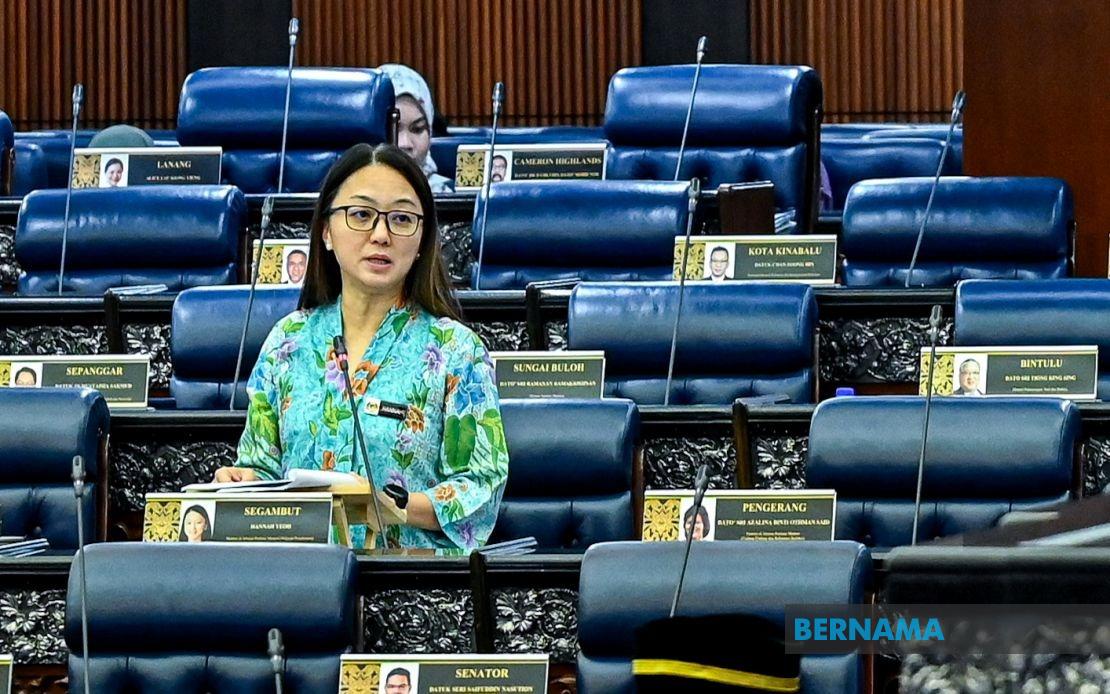
Minister in the Prime Minister's Department (Federal Territories) Hannah Yeoh revealed the scope of the remedial agenda during parliamentary Question Time, grounding the reform programme in academic findings and specialist recommendations. The International Islamic University Malaysia (IIUM) conducted a focused study in March following engagement with Federal Territory lawmakers, identifying four strategic pillars for institutional strengthening: administrative procedures, governance architecture, integrity frameworks, and service delivery mechanisms. This evidence-based approach distinguishes the reform effort from reactive tokenism, suggesting that DBKL's leadership has sought external expert guidance rather than relying solely on internal diagnostics that may themselves be compromised by the institutional weaknesses being addressed.
The Malaysian Anti-Corruption Commission's investigation identified five specific procedural vulnerabilities within DBKL's operations that demanded immediate corrective action. These procedural gaps encompassed the radio studio broadcast content production initiative, allocation mechanisms for Ramadan Bazaar trading sites, contract oversight for business licensing service providers, governance arrangements for the Malaysian Statutory Bodies Association Sports Championship, and collection procedures for residential and public housing rental income. The specificity of these findings indicates that corruption risks were not theoretical but manifested in actual operational domains where discretionary decision-making created opportunities for improper conduct. Significantly, these five areas span both commercial activities and community-facing services, suggesting systemic rather than isolated vulnerabilities in DBKL's administrative culture.
Structural separation of powers has become central to the reform strategy, most notably through the abolition of the Special One Stop Centre (OSC) Committee. This decision reflects growing recognition that concentrating approval authority within a single committee structure—particularly when political actors maintain influence—enables potential conflicts of interest and reduces organisational resilience against improper pressure. By dismantling this committee and redistributing its functions, DBKL aims to fragment concentration of discretionary power and introduce multiple decision-making nodes, each operating under enhanced scrutiny. The expansion of OSC 3.0 Plus Portal access to all Federal Territory MPs further embeds transparency and legislative oversight into the development approval process, allowing representatives to scrutinise applications and lodge concerns before final mayoral sign-off, thereby introducing a quasi-review mechanism staffed by elected officials accountable to their constituencies.
Financial controls represent another cornerstone of the governance architecture being erected. DBKL has capped mayoral authority to approve contributions and grant allocations at RM3,000, with any larger expenditures requiring full Top Management Committee deliberation. This threshold-based delegation framework prevents individual executives from committing substantial resources without collegial review and formal minutes-taking that create institutional accountability trails. Coupled with the establishment of three new oversight bodies—the Audit Committee, Governance and Integrity Committee, and Mayor's Contributions Committee—these mechanisms introduce redundant checks designed to catch problematic decisions before they become operational reality. The deliberate removal of the mayor as chair of the Audit Committee is particularly noteworthy, as it severs the potential for chief executives to oversee their own accountability processes, a structural vulnerability that undermines audit independence and can enable organisational leadership to suppress critical findings.
Cultural transformation underpins these structural innovations, with Hannah explicitly framing the reform programme as a shift from individual-centric decision-making to systematic governance based on collective responsibility. This framing acknowledges that institutions are not merely constituted by formal rules but by the behavioural norms and decision-making reflexes of their personnel. Introducing job rotation for officers in sensitive positions directly addresses the risk that prolonged tenure in high-discretion roles creates informal power networks, entrenched relationships with external parties, and reduced accountability as individuals become indispensable to specific processes. Conversely, the planned rollout of body-worn cameras beginning in the fourth quarter of 2024 extends oversight mechanisms into field operations, creating contemporaneous visual records of enforcement interactions that reduce opportunities for improper conduct in transactions directly affecting citizens and businesses.
Digitalisation emerges as both an efficiency and integrity tool within DBKL's reform trajectory. The local authority has introduced 170 online application services as of July, targeting 180 fully digital end-to-end services by year-end, with an explicit goal of achieving 100 per cent online processing by 2030. This technological transition fundamentally alters corruption economics by reducing human discretion in service delivery, creating digital audit trails that are difficult to manipulate retroactively, and introducing standardised processes that cannot be bent through informal negotiation. The specific integration of the e-Lesen system with the Departmental Enforcement System represents particularly intelligent policy design, as it eliminates the role of licence runners—intermediaries who historically exploited information asymmetries and created opportunities for bribery and favour-trading. By automating the licensing renewal process, DBKL simultaneously accelerates service delivery and removes human handoff points that traditionally enabled corrupt actors to extract value.
The extension of business licence validity periods from one year to three years, effective July 1, constitutes a secondary but significant integrity measure. Shorter validity periods necessitate more frequent interactions between licence holders and DBKL officers, multiplying opportunities for improper demands or informal payments. By extending the renewal cycle, DBKL reduces administrative contact frequency and therefore reduces the cumulative corruption risk exposure faced by business operators, particularly small traders who may lack institutional capacity to resist improper demands. This policy adjustment demonstrates sophisticated understanding of how seemingly technical regulatory decisions shape incentive structures for both officials and regulated entities.
For Malaysian stakeholders and regional observers, DBKL's reform programme carries implications extending beyond Kuala Lumpur's city administration. Local authorities across Malaysia occupy critical positions in delivering services that directly affect citizen welfare—building permits, business licensing, market administration, housing management—and therefore command significant public trust capital. When major local authorities demonstrate institutional failures serious enough to warrant top-down intervention and extensive structural overhaul, it signals broader governance challenges within Malaysia's local government tier that may not be confined to Kuala Lumpur. The transparency with which Minister Hannah has disclosed specific procedural failures and remedial measures, however, may establish precedent for similar accountability exercises among underperforming municipalities, potentially catalysing governance improvements across the local authority landscape. Whether these reforms prove durable and effective will depend substantially on sustained political commitment to enforcement and on whether DBKL's frontline officers genuinely internalise the cultural shift from discretionary to rules-based decision-making that the structural reforms presuppose.

