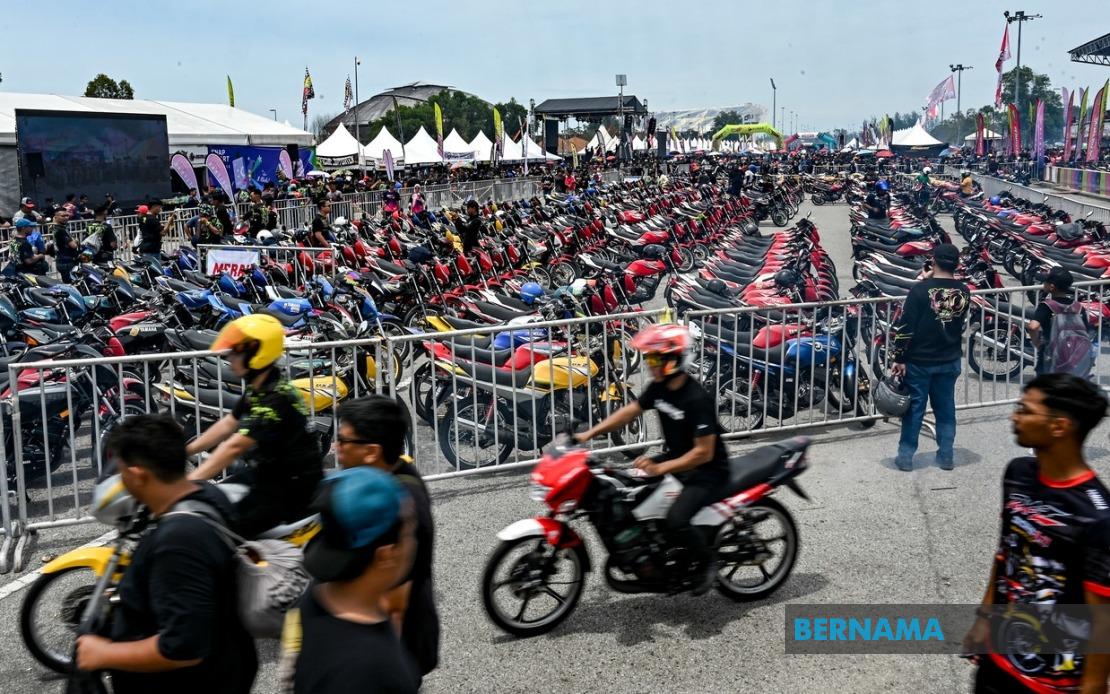
The Kuala Terengganu City Council (MBKT) has incurred a cleaning bill of RM40,000 following the RXZ Members 8.0 event held at the Gong Badak Motor Racing Circuit near Kuala Nerus on Friday and Saturday. The substantial expense reflects the logistical challenges of managing waste at a high-profile gathering that attracted crowds exceeding 100,000 people, highlighting broader questions about event management and environmental responsibility in Malaysia's tourism sector.
According to Kuala Terengganu mayor Lizan Che Mamat, the cleanup expenditure encompassed multiple cost categories including overtime compensation for sanitation workers, additional refuse collection vehicle trips, and extended operational hours at the Sungai Ikan landfill facility. The breakdown underscores the hidden infrastructure burden that municipalities absorb when large-scale events generate unexpected volumes of waste, costs that often go unnoticed by event attendees and organisers alike.
The scale of the cleanup operation becomes evident when examining the volume of refuse retrieved from the venue. Approximately 130 tonnes of solid waste was collected, predominantly comprising food and beverage packaging materials. This figure suggests that despite organisers positioning rubbish receptacles throughout the motor racing circuit, attendees disregarded proper waste disposal practices, choosing instead to scatter litter across the grounds. The mayor's comments indicate frustration that designated collection points were not utilised even when clearly available to participants.
The attendance figure of more than 100,000 people presents a planning challenge that local authorities must grapple with when evaluating event viability. While Lizan acknowledged that the number of bins provided may have been calibrated for smaller turnouts, he emphasised that environmental stewardship should remain a collective priority regardless of attendance numbers. His statement reflects a tension common across Southeast Asia between welcoming major events for economic stimulus and managing the environmental consequences of inadequate waste infrastructure.
Lizan signalled that MBKT intends to implement structural reforms governing how future large-scale events receive municipal approval. The council is considering mandating that event organisers submit comprehensive solid waste management plans as a prerequisite for securing permission to proceed. This preventive approach represents a shift toward greater accountability, placing responsibility on promoters to anticipate waste volumes and establish collection systems rather than allowing cleanup costs to fall entirely on the local authority.
Beyond revised approval procedures, the city council is also contemplating adjustments to the cleaning deposits currently imposed on event organisers. By reviewing and potentially increasing these deposits, MBKT aims to create a financial incentive structure that discourages poor waste management practices and ensures that organisers bear a fairer proportion of cleanup expenses. Such measures reflect best practices adopted by municipalities in other Southeast Asian nations grappling with similar challenges.
The mayor's remarks reveal awareness that Terengganu benefits economically from hosting prominent events. He reiterated the council's openness to supporting activities that generate tourism revenue and stimulate local business activity. This balancing act between economic development and environmental protection remains a central concern for state governments across Malaysia as they compete to attract events and investment while maintaining liveable urban spaces.
The RXZ Members 8.0 event incident exemplifies a broader pattern where event organisers and attendees operate without full appreciation for downstream cleanup requirements. The RM40,000 expenditure represents real money diverted from other municipal priorities, from pothole repairs to routine maintenance, effectively subsidising organisers who may not have priced waste management into their business models. The cost highlights why clearer contractual frameworks benefit all stakeholders by establishing transparent expectations.
For Malaysian municipalities and state authorities, the Kuala Terengganu experience offers instructive lessons about event governance. As Malaysia positions itself as a regional hub for motorsports, music festivals, conferences, and sporting competitions, establishing standardised waste management requirements could prevent similar financial surprises. Other local councils facing comparable situations may find merit in adopting MBKT's proposed mandatory planning requirements and reviewing deposit structures.
The incident also underscores environmental consciousness challenges within Malaysia's consumer culture. High-volume public gatherings frequently generate waste management crises in countries across Southeast Asia, suggesting that educational campaigns promoting personal environmental responsibility at events might complement regulatory approaches. Terengganu's tourism appeal depends not only on attracting visitors but also on maintaining clean, attractive public spaces that enhance destination reputation.
Lizan Che Mamat's final statement—that environmental cleanliness constitutes a shared responsibility—articulates an ethos that extends beyond municipal government. Event organisers, vendors, attendees, and local authorities must collaborate to establish norms where littering carries social stigma and proper disposal becomes expected behaviour. This cultural shift, combined with structural incentives and regulatory frameworks, offers the most comprehensive path forward for sustainable event management in Malaysia.

