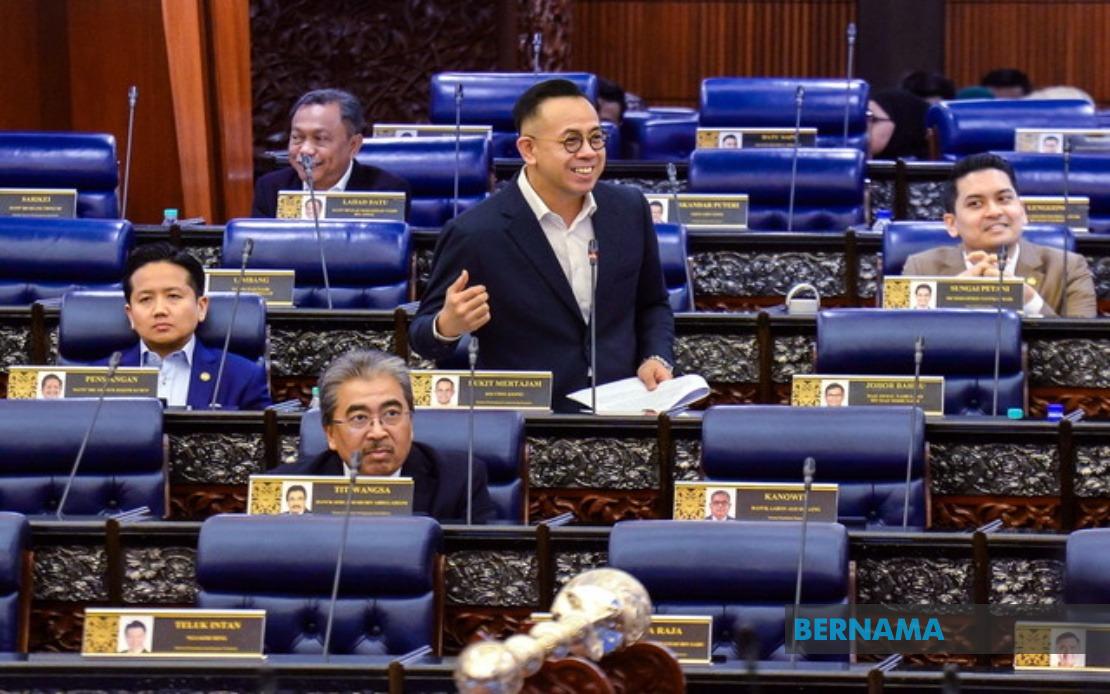
Malaysia's Ministry of Entrepreneur and Cooperative Development (KUSKOP) has invested nearly RM3 billion in targeted initiatives designed to strengthen Bumiputera entrepreneurs between 2023 and 2025, according to Minister Steven Sim Chee Keong during parliamentary proceedings this week. The substantial financial commitment reflects the government's ongoing strategic focus on developing Malaysia's Indigenous business community as a key pillar of economic growth and inclusive development.
The scale of KUSKOP's allocation underscores the importance placed on this demographic within Malaysia's economic agenda. Beyond raw spending figures, Sim emphasised that the ministry evaluates programme success through concrete performance metrics rather than simply tracking expenditure. Among the key indicators tracked are documented sales increases of at least 20 per cent among participating entrepreneurs and a threshold of 150 companies that have successfully expanded their operational scale. This outcomes-based approach represents a shift towards accountability and tangible results in government entrepreneurship support.
During his response to questions from Member of Parliament Datuk Seri Dr Zaliha Mustafa, Sim clarified how government returns on investment are conceptualised within KUSKOP's framework. Rather than measuring returns purely through monetary recapture, the ministry gauges effectiveness by documenting improvements in participant circumstances and broader economic indicators. This reflects recognition that entrepreneurship support generates value through multiple channels including job creation, increased business activity, and strengthened community economic resilience, not solely through direct fiscal recovery.
The financial activity in the current year demonstrates sustained momentum in programme execution. During the first five months of 2025, KUSKOP approved financing totalling RM5 billion benefiting approximately 180,000 entrepreneurs across diverse racial backgrounds and business sectors nationwide. This inclusive approach signals that while Bumiputera advancement remains a priority, KUSKOP's portfolio extends across Malaysia's broader entrepreneurial ecosystem, reflecting a balanced strategy toward multi-community economic participation.
Within the dedicated Bumiputera track, the figures reveal intense focus on this segment. From 2025 through May 2026, specialised Bumiputera programmes delivered by agencies under KUSKOP's jurisdiction approved RM1.407 billion in financing reaching over 53,000 Indigenous entrepreneurs. The data further highlights generational targeting, with more than 11,469 Bumiputera youth receiving direct benefits totalling RM251 million. This age-specific allocation reflects strategic thinking about long-term economic capability building and ensuring that younger generations acquire entrepreneurial experience and capital access early in their business journeys.
Beyond conventional financing, KUSKOP has integrated halal industry development as a cross-cutting element within its empowerment architecture. Recognising that halal certification and market positioning have become crucial competitive advantages, particularly given Southeast Asia's Muslim demographics and the expanding global halal economy, the ministry facilitates entrepreneur access to certification processes and related market expansion support. This positioning allows Malaysian Bumiputera businesses to compete not merely domestically but across the broader Islamic economic corridor spanning the region and beyond.
Addressing systemic coordination challenges, Sim responded to separate parliamentary concerns about fragmented support mechanisms for micro, small and medium enterprises. The government's response designates SME Corp Malaysia as the centralising coordinator, a move intended to eliminate the confusion and inefficiency arising when entrepreneurs must navigate multiple government agencies independently. This institutional arrangement transforms SME Corp into a genuine one-stop facilitation centre, responsible for information provision, application channelling, and directing business owners toward appropriate support providers.
The coordination framework extends across an impressive institutional landscape. KUSKOP is simultaneously developing a unified digital portal aggregating support offerings from more than 60 government agencies, creating unprecedented transparency and accessibility around available assistance. This technological infrastructure represents a modernisation of how government support reaches entrepreneurs, substituting fragmented knowledge and bureaucratic navigation challenges with consolidated, searchable information accessible to any applicant with internet connectivity. Such digitisation particularly benefits entrepreneurs in peripheral regions who previously faced practical barriers accessing government support.
For Malaysian entrepreneurs and policymakers, these developments carry significant implications. The RM3 billion commitment and expanded RM5 billion annual approvals demonstrate sustained government investment in economic development beyond extractive sectors. For Bumiputera entrepreneurs specifically, the programmes offer structured capital access and business development support that historically faced accessibility constraints. The integration of halal industry support positions Malaysian entrepreneurs advantageously within rapidly expanding regional and global value chains where Islamic compliance commands premium positioning and market access.
The demonstrated outcomes, including 20 per cent sales growth and verified business expansion among participants, suggest these programmes generate measurable economic activity beyond simple wealth transfer. For the broader Southeast Asian context, Malaysia's approach to targeted entrepreneurship support offers a model combining inclusive access with performance accountability. As regional economies increasingly compete for entrepreneurial dynamism and small business development, Malaysia's institutional architecture and financial commitment suggest serious intent toward converting policy frameworks into tangible business growth.

