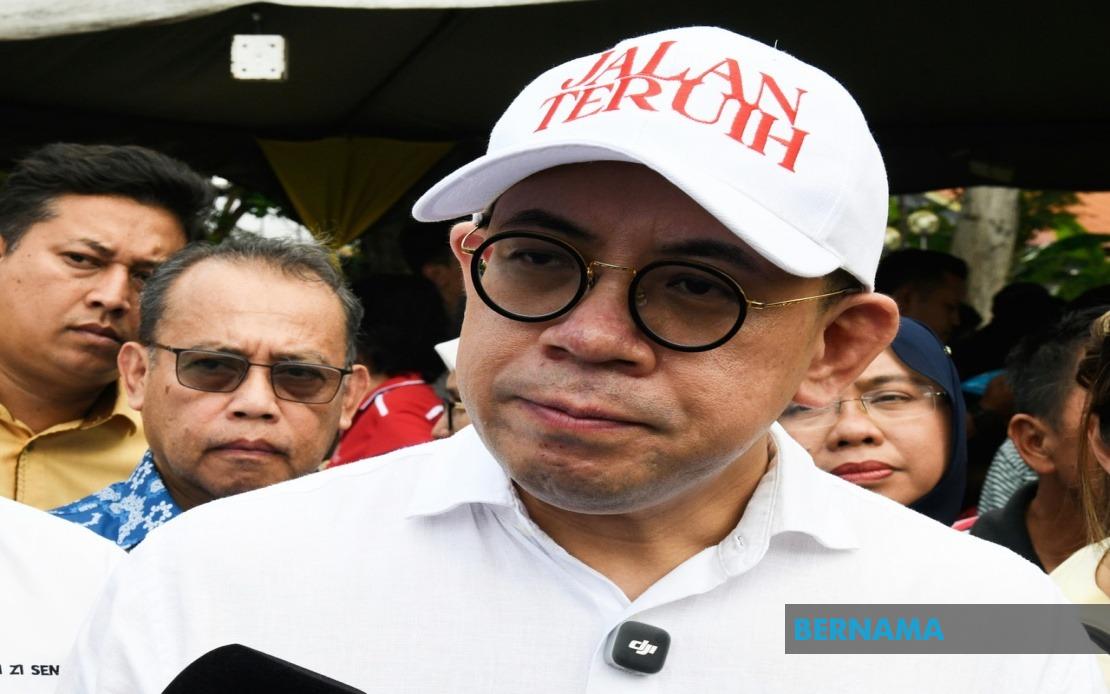
The Ministry of Entrepreneur Development and Cooperatives (KUSKOP) has initiated an extensive nationwide consultation process aimed at collecting strategic proposals and recommendations from the entrepreneurial ecosystem for inclusion in Malaysia's 2027 federal budget submission. Minister Steven Sim Chee Keong announced the commencement of these discussions and consultations during an event in Bukit Mertajam, signalling the government's intention to build the upcoming budget with direct input from those operating in the Micro, Small and Medium Enterprises (MSME) and cooperative sectors.
The engagement exercise, which commenced in early August, represents a structured approach to budget formulation that prioritises dialogue with businesses, entrepreneurs, industry associations representing small traders, and cooperative organisations across the nation. Sim indicated that this consultation phase would extend over a period of one to two months, aligning with the established federal budget preparation cycle overseen by the Ministry of Finance. This timeline allows stakeholders sufficient opportunity to articulate their concerns and aspirations while ensuring proposals reach Finance Ministry officials with adequate lead time for analysis and integration.
The consultation process operates within a clearly defined framework known as ABCD, which structures proposals around four interconnected pillars designed to strengthen Malaysia's entrepreneurial foundation. These pillars—Productivity Transformation, Bureaucratic Simplification, Access to Capital, and Market Accessibility—reflect the government's recognition that sustainable business growth requires simultaneous improvements across operational efficiency, regulatory environment, financial inclusion, and commercial opportunities. By anchoring discussions within this framework, KUSKOP ensures that diverse stakeholder inputs remain aligned with broader national economic objectives rather than pursuing disparate interests.
According to Sim, the ABCD framework explicitly emphasises enhancing the competitive positioning of MSMEs and cooperatives within Malaysia's broader economy. The approach prioritises three key outcomes: increased funding allocations specifically targeted at small and medium enterprises and cooperative ventures, reduction of operational and compliance costs that burden smaller businesses, and systematic improvements in how government agencies deliver services to entrepreneurs. This multi-layered strategy acknowledges that Malaysia's ability to maintain economic growth depends significantly on the vitality and expansion of its MSME sector, which collectively represents a substantial share of employment and domestic economic activity.
The budget consultation exercise arrives at a critical juncture for Malaysia's economic planning. Prime Minister Datuk Seri Anwar Ibrahim, who concurrently serves as Finance Minister, has established that budget drafting will commence in September 2024, with formal presentation to Parliament scheduled for October. This compressed timeline underscores the government's commitment to maintaining regular budget cycles and predictability for businesses and investors. Anwar has previously articulated a philosophical position regarding budget priorities, emphasising that economic growth metrics must ultimately translate into tangible improvements in the living standards and opportunities available to ordinary Malaysians rather than serving as an end in themselves.
The government's approach to the 2027 budget reflects a strategic pivot toward inclusive growth frameworks. By soliciting detailed input from MSME operators and cooperative leaders before budget formulation, rather than presenting predetermined allocations for stakeholder commentary, KUSKOP demonstrates commitment to participatory economic planning. This methodology recognises that entrepreneurs operating at the grassroots level possess intimate knowledge of regulatory bottlenecks, financing gaps, and market access barriers that might escape detection in high-level bureaucratic analysis. Their accumulated experience provides irreplaceable intelligence for crafting effective policy interventions.
Simultaneously with the budget consultation initiative, KUSKOP launched the 2026 KUSKOP MADANI Sales Programme (JMK) in Penang, illustrating the ministry's commitment to practical support alongside policy advocacy. This programme, reaching its sixth iteration in Penang state, operates on a dual mandate: it provides immediate consumer benefit through subsidised pricing on essential goods while simultaneously offering cooperative enterprises and individual entrepreneurs direct consumer market access. The event featured approximately 80 product categories offered at discounts ranging from 20 to 30 percent, making staple items more affordable for participating residents while generating meaningful sales volume for participating vendors.
The MADANI Sales Programme extends beyond commerce to encompass service delivery modernisation. During the Bukit Mertajam event, thirteen government agencies representing federal, state, and municipal administrations established service counters to deliver various programmes and transactions directly to citizens. This integrated approach reflects recognition that entrepreneurial ecosystems function most effectively when entrepreneurs and small business operators experience seamless access to government services. By co-locating commercial activities with administrative services, the programme reduces transaction costs and friction associated with navigating multiple bureaucratic touchpoints.
The participation of key stakeholder representatives in these consultations carries particular significance for budget outcomes. Padang Lalang assemblyman Daniel Gooi Zi Sen and National Cooperative Movement of Malaysia (ANGKASA) president Datuk Seri Dr Abdul Fattah Abdullah attended the Bukit Mertajam launch, signalling multi-level governmental alignment and the cooperative sector's direct involvement in shaping budget priorities. ANGKASA's presence particularly matters given its role as the apex organisation representing Malaysia's cooperative movement, positioning the consultation process to capture institutional perspectives alongside individual entrepreneur viewpoints.
For Malaysian and Southeast Asian stakeholders monitoring regional economic trends, this consultation exercise offers insight into how Malaysia approaches MSME policy development. The structured ABCD framework demonstrates sophisticated thinking about interconnected factors enabling business growth, while the emphasis on cost reduction and bureaucratic efficiency reflects acknowledgment that regulatory environment quality significantly influences entrepreneurial activity levels. The commitment to participatory budget development suggests Malaysia's government recognises that sustainable economic development requires buy-in and alignment with private sector actors who ultimately implement growth strategies through their business decisions.
The two-month consultation window provides a critical opportunity for business associations, cooperative networks, and MSME representatives to coalesce around priority proposals before submission deadlines. Stakeholders who successfully advocate for their priorities during this engagement phase position themselves to influence federal resource allocation for the subsequent fiscal year. This creates incentive structures encouraging comprehensive participation rather than sporadic input, potentially yielding more representative and comprehensive budget proposals than would emerge from ad hoc stakeholder feedback mechanisms.
Looking forward, the success of this consultation process depends substantially on whether KUSKOP effectively synthesises diverse stakeholder input into coherent budget recommendations that Finance Ministry officials find implementable within fiscal constraints. The challenge intensifies because MSME and cooperative sector stakeholders inevitably hold varying priorities reflecting their distinct operational contexts and competitive positions. Balancing requests for expanded financing against demands for regulatory relief, while simultaneously addressing market access barriers affecting different sub-sectors, requires sophisticated prioritisation frameworks and political judgment regarding which interventions would generate greatest economy-wide benefit.
The broader implication of this consultation exercise extends beyond the 2027 budget cycle itself. By institutionalising regular stakeholder engagement in budget development, the government establishes expectations for ongoing dialogue between state and entrepreneurial actors. This precedent, if maintained across subsequent budget cycles, could gradually shift Malaysia's budgeting culture toward more dynamic, responsive processes that acknowledge changing business conditions and emerging sectoral challenges rather than relying primarily on historical allocation patterns and top-down policy preferences.

