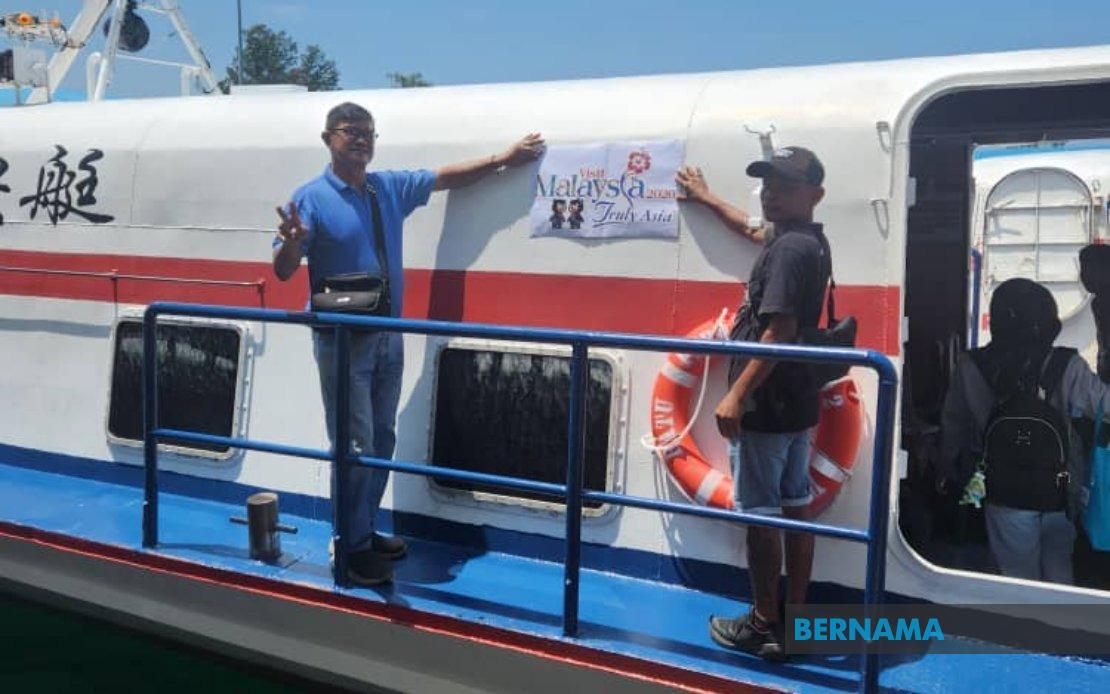
The established passenger ferry linking Labuan to Lawas in Sarawak has come to an unexpected halt after more than 30 years of continuous operation. From July 14, the service will remain suspended until October 14, marking the first time the crucial transport link has shut down since its inception. The suspension impacts not only day-to-day commuters but also students and patients who have relied on this affordable maritime route to access essential services and education.
RPL Shipyard Co, the current operator managing the ferry route, submitted official notification of the three-month suspension to LDA Holdings Sdn Bhd, the management entity overseeing Labuan International Ferry Terminal. The decision follows months of operational challenges that made the existing business model untenable. According to the operator's communication, the service became increasingly difficult to sustain due to multiple converging pressures on its financial viability and operational capacity.
At the heart of the suspension lie persistent difficulties with diesel supply chains, a critical issue for any marine transport operator in the region. Beyond supply problems, the company cited relentlessly climbing operational expenses, particularly costs associated with crew wages and regular vessel maintenance. These mounting expenditures have far outpaced the revenue generated from current passenger fares, creating a widening gap between income and outgoings that eventually became impossible to bridge.
The ferry has historically served as a vital lifeline for students from Sarawak attending tertiary institutions in Labuan, especially those studying at Universiti Malaysia Sabah and Labuan Matriculation College. The affordable fares made education in Labuan accessible to young people who might otherwise have faced insurmountable transport costs. With the service now offline, these students face significant disruption to their academic calendars and may incur substantially higher travel expenses through alternative routes.
Residents of Lawas and neighbouring communities have also depended heavily on this maritime connection when seeking medical treatment at Labuan Hospital. The ferry's accessibility and low cost made quality healthcare more reachable for people in these remote areas. The temporary suspension threatens to create a healthcare access crisis for those unable to afford premium alternative transport options or those living in regions with limited supplementary travel infrastructure.
Noor Halim Zaini, chief executive officer of LDA Holdings Sdn Bhd, acknowledged receipt of the formal suspension notice and indicated immediate engagement with the operator. He stated that a meeting would follow to examine the underlying difficulties and identify potential solutions. His response suggests that the terminal management company recognises the suspension as a temporary measure rather than a permanent closure, though no clear pathway to resumption has yet been established.
The operator's rationale for the suspension centred on the need to stabilise its financial condition and undertake operational restructuring. RPL Shipyard expressed hope that improved market conditions might eventually permit service resumption, but offered no concrete timeline or specific metrics that would trigger the return of ferry operations. This ambiguity reflects the genuine uncertainty surrounding the long-term sustainability of maritime passenger services in this region.
The suspension underscores broader challenges facing maritime transport operators in Southeast Asia, where vessels operating between smaller ports and regional centres increasingly struggle with cost pressures. Diesel price volatility, labour cost inflation, and the difficulty of operating regular schedules with limited passenger volumes create structural headwinds for such services. The Labuan-Lawas route, despite its strategic importance, has proven vulnerable to these systemic pressures.
For Malaysia's maritime policy framework, the suspension highlights potential gaps in support mechanisms for essential transport services that operate on thin margins. Unlike air routes or major road corridors, regional ferry services often lack sustained financial support despite their critical role in connecting geographically isolated communities to economic and educational opportunities. The three-month suspension may catalyse discussion about whether government intervention or subsidies might help preserve this essential link.
The situation also reflects shifting patterns in regional mobility, where rising costs may accelerate reliance on alternative transport modes. Some students and patients may transition to air travel via budget airlines, while others might explore longer overland and coastal routes through Brunei or alternative Malaysian ports. These changes could have cascading effects on the broader Labuan and Lawas economies, potentially dampening tourism and reducing cross-border commerce.
For residents of Lawas, the suspension arrives at an inconvenient moment, disrupting established routines and forcing urgent adaptation. Community leaders and state authorities in Sarawak may need to assess whether temporary alternatives, such as chartered services or subsidised coach-and-boat combinations, could mitigate hardship during the shutdown period. The incident underscores the vulnerability of smaller regional hubs to disruptions in affordable transport connectivity.

