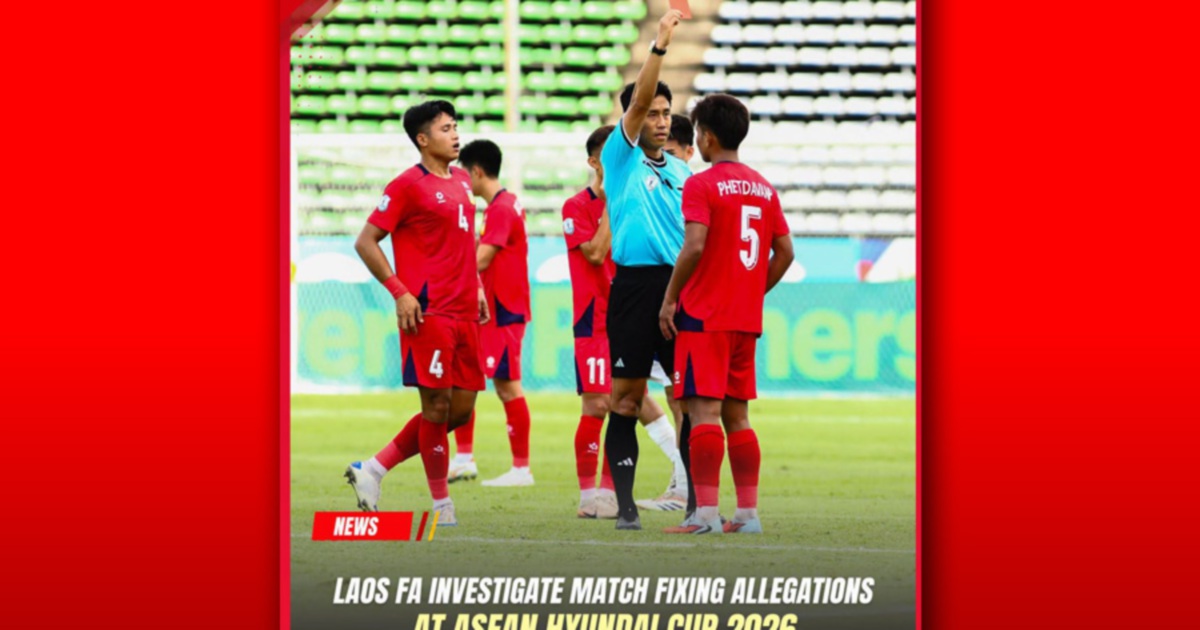
Southeast Asian football faces a integrity crisis following the Lao Football Federation's decision to mount a comprehensive investigation into alleged match-fixing, bribery, and unlawful gambling involving players from the national team. The probe represents one of the region's most serious corruption allegations in recent years and threatens to undermine confidence in the credibility of regional tournaments, particularly during the ongoing ASEAN Cup competition.
The scope of the investigation extends beyond simple match-fixing allegations, encompassing what officials characterise as systematic corruption involving multiple layers of financial incentives and illegal wagering networks. The LFF's move to launch this inquiry publicly signals that football administrators across Laos believe the problems are sufficiently entrenched to warrant formal scrutiny rather than internal handling. This decision reflects growing pressure within Southeast Asian football circles to address corruption head-on, mirroring similar crackdowns witnessed in other regional sports governance bodies.
Match-fixing in football has plagued Asian competitions for decades, but the scale of allegations emerging from Laos represents a particular concern for ASEAN Cup organisers and participating nations. When national team players become implicated in corruption schemes, the integrity of competitive results comes into fundamental question. Observers worry that if players are deliberately underperforming or manipulating match outcomes, the sporting merit that should determine tournament progression becomes meaningless. This erosion of competitive legitimacy can irreparably damage public trust in the sport.
The intersection of bribery and illegal gambling within the Laos case demonstrates how corruption in football extends beyond match-fixing itself. Financial interests—whether from bookmakers, syndicate organisers, or external actors seeking to profit from predetermined outcomes—create powerful incentives for players and officials to collude. The presence of bribery elements suggests that substantial sums of money have been exchanged, indicating a sophisticated operation rather than isolated incidents of impropriety.
For Malaysian football enthusiasts and administrators, the Laos investigation carries particular relevance given Malaysia's regular participation in ASEAN Cup competitions and ongoing efforts to strengthen regional sporting governance. The scandal underscores vulnerabilities within Southeast Asian football's regulatory frameworks and enforcement mechanisms. Malaysian authorities have historically grappled with match-fixing concerns domestically, making the Laos situation a cautionary reminder of systemic challenges affecting the broader region.
The timing of these allegations during an active ASEAN Cup tournament adds urgency to the investigation. Tournament officials face difficult decisions regarding whether matches already played should be reviewed, whether suspicious results warrant rescission, and how to prevent ongoing corruption throughout the remainder of the competition. These operational questions complement the federation's need to identify individuals responsible, gather evidence, and pursue appropriate sanctions against players and officials involved in the scheme.
International football bodies, including FIFA, maintain protocols for investigating corruption allegations and sanctioning offenders. The LFF's decision to initiate a high-level investigation suggests collaboration with or potential involvement of external authorities capable of conducting forensic financial analysis and gathering testimony from multiple witnesses. Such investigations frequently require months of painstaking work involving document examination, witness interviews, and technical analysis of betting patterns and financial transactions.
The broader implications for Southeast Asian football include potential reputational damage to ASEAN Cup prestige and possible deterrent effects on international investment in regional football development. Tournament hosts and participating nations invest substantially in infrastructure, player development, and promotional activities. Corruption allegations threaten to undermine these investments and may discourage sponsors, broadcasters, and governing bodies from committing resources to future competitions if integrity concerns remain unresolved.
Players implicated in corruption face potential career-ending consequences, including permanent bans from professional football, forfeiture of earnings, and possible criminal prosecution depending on applicable Laotian laws. These severe penalties serve dual purposes: holding individuals accountable for their actions while deterring future corruption by demonstrating that misconduct carries genuine consequences. The enforcement of such penalties requires sustained commitment from football authorities rather than cursory or inconsistent application.
Regional football development organisations and ASEAN governance structures may need to implement enhanced monitoring systems, improved transparency requirements, and stronger whistleblower protections to prevent similar corruption from festering undetected. The Laos case reveals that existing safeguards proved insufficient to prevent or quickly identify the alleged scheme, highlighting systemic weaknesses requiring remedial attention.
As the investigation proceeds, the LFF faces pressure to demonstrate thoroughness and impartiality while managing immediate tournament logistics. The federation's handling of this crisis will influence how severely regional football governance is viewed by international bodies and whether additional scrutiny or intervention becomes necessary. Success in this investigation could strengthen regional governance; failure might invite external intervention that diminishes local autonomy in managing football affairs.
The scandal serves as a stark reminder that corruption in football transcends developed versus developing nations, affecting even relatively smaller footballing countries. Vigilance, transparency, and consistent enforcement remain essential for maintaining the integrity of regional competitions and preserving public faith in Southeast Asian football's competitive legitimacy.

