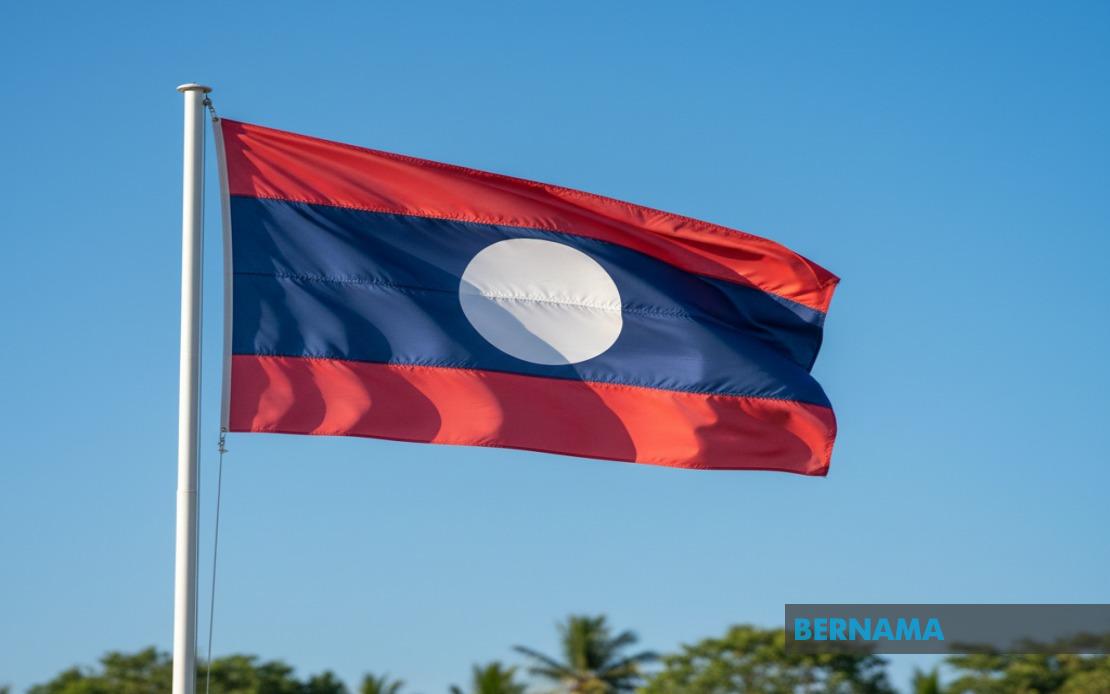
The Lao government has charted an ambitious course for transforming its media landscape, adopting a modernisation roadmap at the inaugural National Media Congress held in Vientiane this week. The three-day gathering, which concluded on Wednesday, brought together the country's media establishment, including senior political leaders, news executives, editorial teams, and communications specialists to collectively envision the future direction of journalism and information services across the nation.
The congress, organised under the theme "Strengthening Party Leadership and Developing the Media Toward a New Level of Quality," represented a significant moment for Laos's media sector, which has traditionally operated within a state-controlled framework. By convening diverse stakeholders in a single forum, the government signalled its intention to move beyond piecemeal reforms and instead implement a coherent strategy that addresses both institutional and professional development challenges. The roadmap emerging from this congress is intended to serve as a policy compass for years to come, guiding investment decisions, regulatory adjustments, and capacity-building initiatives throughout the sector.
Khamphan Pheuyavong, who heads the Commission for Information and Education, synthesised the congress proceedings during the closing session, highlighting how the event successfully reviewed past accomplishments, identified persistent obstacles, and crystallised strategic priorities and concrete measures needed to strengthen media operations. This structured approach—examining what has worked, what remains problematic, and what must change—provided a framework for moving from aspirational rhetoric to actionable policy. The emphasis on documenting achievements was particularly important in establishing institutional continuity and demonstrating to media professionals that their prior efforts have been recognised and valued within the broader development narrative.
President Thongloun Sisoulith's closing remarks injected presidential authority and personal commitment into the modernisation agenda. His articulation of five specific priorities offers crucial insight into how Laos envisions its media sector evolving. Rather than imposing top-down directives, the president framed these priorities as collaborative imperatives requiring sustained engagement from multiple constituencies. His confidence in media professionals across the country suggested an underlying belief that Laos's journalists possess both the capability and motivation to drive meaningful reform, provided they receive adequate institutional support and clear strategic guidance.
The first priority—promoting unity and cooperation among media organisations—addresses a structural fragmentation that has historically hampered the sector's collective impact. By emphasising mutual learning and shared understanding of how the information environment is shifting, Laos aims to create a more cohesive media ecosystem. The specific mention of distinguishing between constructive criticism and unethical attacks reflects a nuanced understanding that media criticism itself must maintain professional standards. This is a subtle but important acknowledgment that not all criticism serves journalism's public interest function; some exists merely to undermine or delegitimise institutions.
Cultural preservation emerges as the second pillar, with the president calling on journalists to embody and promote values such as humility, generosity, and respect. This priority reflects broader concerns across Southeast Asia about maintaining distinctive cultural identities amid globalisation and digital transformation. By anchoring media modernisation within a cultural framework, Laos insists that technological upgrading and professional advancement need not come at the cost of eroding local values and traditions. The explicit rejection of vulgarity, dishonesty, and selfishness suggests awareness that certain international media practices and content formats may not be compatible with Lao social norms.
The emphasis on defending truth and justice through responsible reporting constitutes the congress's most universally recognisable journalism principle. However, Laos's formulation—resisting misinformation while maintaining public trust—carries particular weight in a regional context where disinformation campaigns and coordinated inauthentic behaviour online pose escalating challenges. Southeast Asian nations, including Laos, have experienced waves of false information that have undermined public confidence in institutions and inflamed social tensions. By positioning professional media as a bulwark against this threat, the congress frames quality journalism not as an optional luxury but as essential infrastructure for social stability.
The fourth priority delegates significant responsibility to Party and state agencies, explicitly calling for them to provide stronger guidance, support, and constructive assistance to media organisations. This acknowledgment that government must do more than simply allow journalism to function reflects an implicit assessment that existing institutional arrangements have been insufficient. Whether this translates into additional funding, clearer regulatory frameworks, or improved access to information remains unclear, but the priority's inclusion suggests the government recognises its role in enabling rather than merely constraining media development.
Continuous professional development, the fifth priority, represents perhaps the most concrete and implementable commitment emerging from the congress. By explicitly urging journalists to improve their skills, embrace innovation, and adapt to changing conditions, the roadmap implicitly acknowledges that Lao media professionals require sustained investment in training, equipment, and exposure to international best practices. This is particularly relevant in the digital age, where journalism skills must encompass not only traditional reporting and writing but also multimedia production, data analysis, digital security, and platform-specific storytelling techniques. For a developing media market like Laos, international partnerships and technical assistance will likely be essential to realising this ambition.
The congress's adoption of a formal roadmap signals that media modernisation in Laos is no longer a peripheral concern but rather a government priority deserving of integrated planning and resource allocation. However, the gap between articulated priorities and actual implementation will ultimately determine the roadmap's significance. Southeast Asian media systems have frequently articulated reformist agendas only to encounter bureaucratic inertia, competing budgetary pressures, or insufficient political will when transforming aspirations into practice. Laos's success in modernising its media will depend on sustained governmental commitment, adequate funding, and a media sector that proves capable of implementing new standards and practices while navigating the tension between state oversight and editorial independence.
For the broader Southeast Asian context, Laos's media modernisation initiative demonstrates how developing nations are grappling with the challenge of upgrading journalism systems amid rapid technological change and evolving information threats. The explicit focus on balancing professional advancement with cultural preservation, and the recognition that media organisations require both autonomy and support, reflects issues that resonate across the region. Whether other ASEAN members will adopt similar strategic approaches or whether Laos's path will diverge remains to be seen, but the congress has certainly established a marker against which future progress can be measured.

