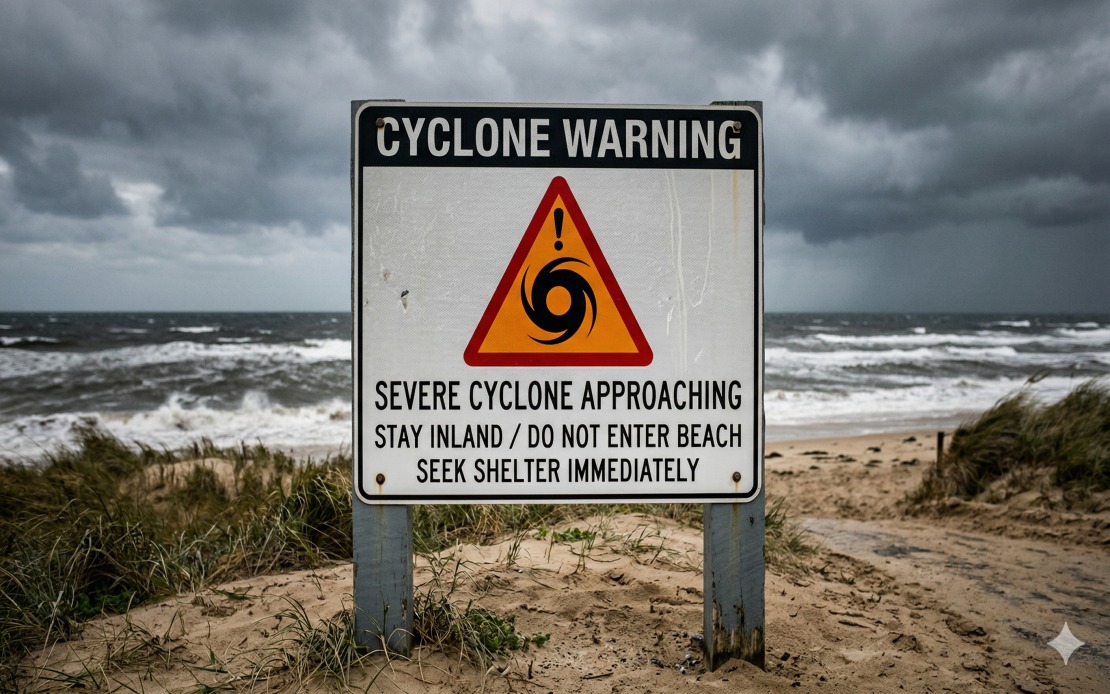
Latvia's meteorological authorities have escalated their response to an incoming weather system by issuing a red alert—the most severe designation in the country's warning system—as a powerful cyclone threatens to deliver torrential downpours and destructive winds across portions of the Baltic nation over the coming weekend. The Latvian Environment, Geology and Meteorology Centre triggered the warning specifically for central Latvia, with particular concern directed toward populated areas encompassing Riga and Jelgava, as weather models indicate potentially dangerous accumulations of rainfall beginning Saturday morning at 8 am and persisting through 1 am Sunday, though forecasters cautioned that the affected zones may shift as updated atmospheric data becomes available.
The escalating severity of weather threats across this region reflects broader climatic patterns affecting Northern Europe, where cyclonic systems have grown increasingly unpredictable in their intensity and track. For Malaysia's readers, Latvia's experience offers a sobering reminder of how vulnerable even developed European nations remain to extreme weather events, despite possessing sophisticated infrastructure and early warning systems. The comparison highlights that regardless of geographical latitude or economic development, communities worldwide face mounting meteorological risks that demand proactive governance and community preparedness.
Authorityies have outlined an extensive catalogue of potential hazards extending far beyond simple rain. Infrastructure serving the country's population faces substantial jeopardy, with electricity distribution networks vulnerable to cascading failures triggered by fallen timber and branches. Telecommunications systems similarly operate under threat of service interruptions, while water supply networks could experience degradation or complete disruption. The combination of these infrastructure vulnerabilities creates a compounding crisis scenario where residents lose not only electrical power but also communication capacity precisely when such connectivity proves most critical for emergency response and accessing vital information.
Transport networks throughout the affected regions face particular risk from the expected precipitation, with roadways potentially becoming impassable as water accumulates to dangerous depths. The prospect of inundated thoroughfares extends beyond mere inconvenience, as emergency vehicles require functioning routes to reach people requiring assistance. Agricultural land and residential gardens face destruction through waterlogging, presenting longer-term economic consequences for farming communities already navigating challenging commodity markets and climate variability. The damage to residential properties through flooding represents the most immediate human concern, as homes face potential inundation affecting personal possessions, structural integrity, and habitability.
Latvian State Fire and Rescue Service personnel have communicated explicit instructions to the population designed to minimize casualties and property loss during the anticipated storm period. The service's guidance emphasizes reducing exposure by discouraging non-essential outdoor activity, recommends securing any items vulnerable to wind damage, and urges residents to charge communication devices and backup power systems before grid systems potentially fail. These recommendations represent standard emergency management protocols tested across multiple European nations experiencing similar weather phenomena with increasing frequency.
The economic dimension of such weather events extends beyond immediate property damage to encompass broader disruptions to commercial activity, supply chains, and service delivery. Authorities across Latvia have already begun canceling outdoor gatherings and events scheduled through the weekend, a precautionary measure reflecting both the unpredictability of severe weather and the liability exposure institutions face when operating during hazardous conditions. Every canceled event represents forgone revenue and disappointed participants, aggregate effects that accumulate into measurable economic costs for affected communities and businesses.
Estonia, Latvia's northern neighbor sharing similar geographic and climatic characteristics, faces parallel meteorological threats from the same weather system. The Estonian Environment Agency has issued comparable warnings regarding heavy precipitation and elevated wind speeds, indicating the cyclone's geographic scope extends across a meaningful portion of the Baltic region. Estonia's Elektrilevi electricity operator similarly anticipates tree-fall damage and resulting outages, suggesting that regional infrastructure face coordinated stress from a single atmospheric phenomenon spanning multiple national jurisdictions.
This incident underscores how modern extreme weather events recognize no political boundaries, requiring cross-border coordination and information sharing to optimize response and recovery efforts. The European Union's mechanisms for environmental monitoring and emergency management facilitate such cooperation, yet the fundamental vulnerability remains: nature's forces operate according to physics, not political considerations. For Southeast Asian nations, Latvia's situation carries instructive value regarding how even wealthy, technologically sophisticated countries remain exposed to severe weather impacts, particularly as climate patterns become increasingly volatile.
The cyclone event reflects broader meteorological trends affecting the Northern Hemisphere, where atmospheric instability appears to be generating more intense and less predictable storm systems. Climate scientists have repeatedly documented connections between warming ocean and atmospheric temperatures and intensification of extreme weather phenomena. Latvia's current emergency represents not an isolated meteorological anomaly but rather evidence of a shifting climatic baseline where such events may transition from exceptional occurrences to regular seasonal features. Policymakers throughout Europe, including Baltic nations, face accumulating pressure to invest in climate adaptation infrastructure, improved early warning systems, and community resilience-building—investments that carry substantial fiscal implications but increasingly appear essential to managing future weather-related disruptions.
The coming 24 hours will test Latvia's emergency management capabilities and community preparedness. Authorities maintain their ability to update warnings and guidance as weather models evolve, recognizing that atmospheric systems can shift in intensity or geographic focus with relatively short notice. This dynamism in forecasting uncertainty explains why officials cautioned that warning zones could change, emphasizing the need for residents to maintain situational awareness throughout the anticipated storm period. The red alert designation serves as the most forceful governmental communication available to mobilize protective behavior, yet even this highest warning level depends ultimately on individual decision-making by millions of residents choosing to heed official guidance.

