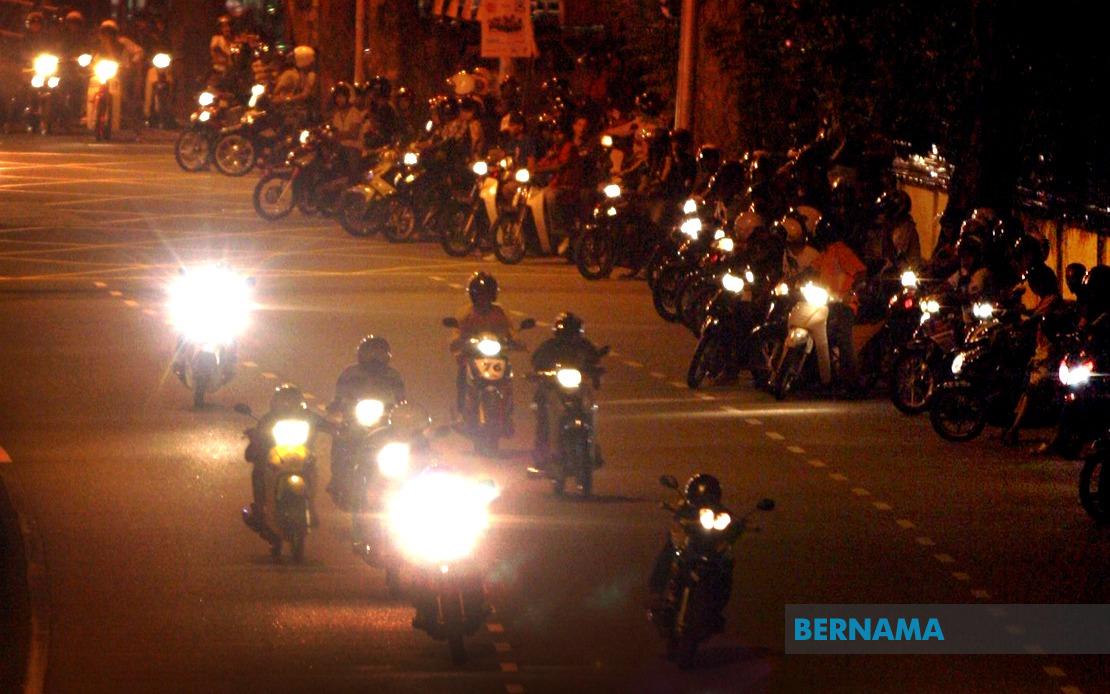
Lawmakers have outlined an increasingly comprehensive approach to tackling illegal street racing in Malaysia, putting forward a package of deterrents that extends beyond traditional fines and imprisonment. The proposals emerged during parliamentary debate on the Road Transport (Amendment) Act 2026, with both government and opposition MPs advocating for measures that target not only the drivers themselves but also the infrastructure supporting the dangerous activity. The initiative reflects growing concern about racing-related deaths and injuries on Malaysian roads, particularly following a fatal incident in June involving luxury vehicles in Johor.
Among the most forceful suggestions came from Datuk Willie Mongin, the Puncak Borneo representative, who called for permanent revocation of driving licences as a mandatory consequence of illegal racing convictions. He proposed that minimum penalties be set at RM300,000 in fines or five years imprisonment, with the additional sanction of lifetime licence removal. The proposal aims to send a clear message about government seriousness in addressing the phenomenon, moving beyond what some parliamentarians view as insufficient existing penalties that fail to adequately deter participation in these activities.
Khairil Nizam Khirudin, the Jerantut MP, advocated for a rehabilitation-centred approach that would complement punitive measures. His vision encompasses mandatory participation in disciplinary and community service programmes, designed to address the underlying behavioural and social factors that drive individuals toward illegal racing. This perspective suggests recognition among legislators that purely punitive approaches may miss opportunities to redirect offenders away from dangerous activities. The proposal acknowledges that many participants, particularly younger racers, may lack awareness of the serious consequences their actions pose to themselves and the broader public.
The role of workshop operators in enabling illegal racing has drawn particular attention. Khairil Nizam proposed that the Ministry of Transport collaborate with the Ministry of Domestic Trade and Cost of Living to develop new regulatory frameworks targeting establishments that illegally modify motorcycles for racing purposes. He specifically referenced Section 66 of the Road Transport Act 1987 as a potential legal tool for enforcement. This focus on the supply side of the illegal racing ecosystem represents a strategic shift in enforcement thinking, recognising that disrupting the modification industry could reduce the availability of specially prepared vehicles used in street racing.
Parental accountability emerged as another novel proposal, with some MPs suggesting that families of illegal racers should bear some responsibility for their relatives' actions. This approach reflects traditional Malaysian values around family honour and collective responsibility, though its practical implementation and enforceability remain unclear. The suggestion implicitly acknowledges that younger people comprise a significant portion of illegal racing participants, and that parental involvement in prevention and discipline could supplement government enforcement efforts.
The Simpang Renggam tragedy of June 1 served as a stark illustration of why these legislative efforts matter beyond abstract road safety concerns. The incident, which involved high-powered vehicles and resulted in multiple fatalities, demonstrated that illegal racing presents a hazard not confined to motorcycle riders and their immediate communities. Wan Razali Wan Nor, the Kuantan MP, emphasised that proposed amendments to Section 42A should apply comprehensively across all vehicle types rather than focusing narrowly on motorcycles. This expanded scope recognises that cars, particularly luxury models capable of extreme speeds, pose equally severe or potentially greater dangers to public safety than motorcycles.
Asset forfeiture represents another enforcement tool under consideration. Shaharizukirnain Abd Kadir suggested that excessively modified motorcycles be seized and destroyed following convictions, treating vehicles as instruments of illegal activity subject to permanent removal from circulation. Such measures exist in other jurisdictions and operate on the principle that eliminating equipment used in crimes reduces recidivism and sends a message that participation carries consequences extending to personal property. The psychological and financial impact of losing a vehicle could provide additional deterrent value beyond fines and imprisonment.
Parallel to the illegal racing debate, parliamentarians also pressed for stronger provisions addressing driving under the influence of alcohol and drugs. Zahari Kechik, the Jeli MP, proposed establishing formal compensation mechanisms requiring intoxicated drivers to cover hospital costs and welfare support for victims they injure. This approach transforms drunk driving enforcement from a matter between the offender and the state into one with direct financial consequences for affected individuals. Currently, many accident victims bear heavy medical and rehabilitation costs regardless of the wealth or assets of the responsible driver, creating situations where serious injuries and permanent disabilities are economically catastrophic for families.
The compensation proposal gained support from other MPs concerned about the disproportionate burden placed on innocent victims. The initiative aligns with victim-centred justice approaches gaining traction globally, where offender accountability extends to repairing harm caused to individuals rather than merely satisfying state punishment interests. For Malaysian drivers and their families, such mechanisms could provide meaningful financial protection and recognition of their suffering beyond symbolic legal judgements.
Enforcement strengthening for impaired driving provisions received broad backing during the debate session. Datuk Seri Dr Ismail Abd Muttalib expressed hope that existing mechanisms targeting drunk and drugged drivers would be substantially enhanced to prevent fatal accidents. The emphasis on strengthening existing enforcement rather than solely creating new laws suggests that parliamentarians recognise the challenge lies partly in consistent application and adequate resourcing of current regulations rather than in legislative gaps alone.
The debate, which drew participation from 24 government and opposition MPs, reflected rare bipartisan consensus on road safety as a serious policy priority requiring comprehensive government response. The range of proposals spanning enforcement, rehabilitation, asset forfeiture, victim compensation, and supply-chain disruption suggests lawmakers view illegal racing and impaired driving as complex social phenomena requiring multifaceted intervention rather than single-measure solutions. For Malaysian motorists and families who have experienced road trauma, the willingness to explore diverse policy tools offers modest hope that road safety could improve through more systematic and stringent approaches to these persistent dangers.
As the parliamentary debate continues, these proposals face the transition from legislative discussion to practical government implementation. The challenge ahead involves translating broad policy support into workable regulations, adequate funding, and consistent enforcement that can realistically reduce illegal racing and impaired driving incidents across Malaysia's diverse communities.