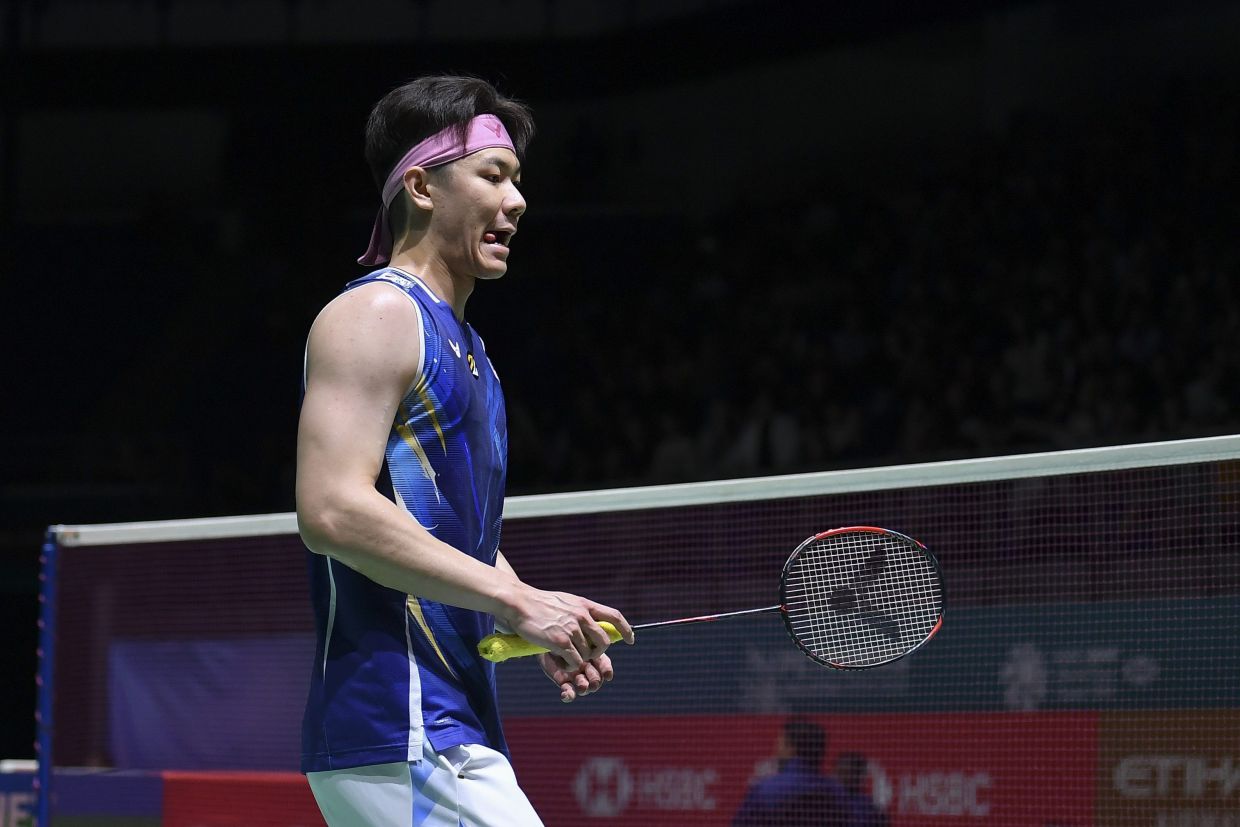
Lee Zii Jia remains committed to professional badminton despite wrestling with one of the most testing periods of his career. The 28-year-old men's singles shuttler has categorically ruled out retirement, instead reaffirming his determination to claw his way back to form regardless of how long the journey may take. In an emotional social media message released on Sunday, the Kedah-born athlete addressed speculation about his future whilst expressing profound gratitude to supporters who have stood by him through the darkest chapters of his professional life.
The past twelve months have proven exceptionally challenging for one of Malaysia's most talented racquet players. Beyond the physical toll of injuries, Zii Jia has grappled with psychological struggles including poor competitive results and mounting self-doubt. Yet rather than capitulating to these mounting pressures, he has resolved to persevere, viewing his current difficulties as temporary obstacles on a longer trajectory rather than defining endpoints to his sporting ambitions.
In his candid statement, Zii Jia acknowledged the emotional support that has sustained him through this trying period. He expressed bewilderment at the unwavering belief his supporters have demonstrated, particularly during moments when he himself questioned his worth and potential. This introspection reveals the profound mental dimension underlying elite athletic performance—that championship outcomes represent only one measure of an athlete's value, and that resilience during setbacks distinguishes true competitors from those who thrive solely during victories.
The shuttler's journey gained clarity following his 2022 departure from Malaysia's national badminton programme, a decision that initiated a period of profound reassessment. He has since spoken openly about hitting rock bottom whilst navigating injuries and fluctuating performance levels. Critically, he identified his reluctance to communicate struggles with those closest to him as a compounding factor in his mental health challenges. Eventually summoning the courage to articulate his difficulties, Zii Jia took ownership of his trajectory and refocused entirely on the sport itself.
Central to his revival strategy is reclaiming agency over fundamental aspects of his life and career. Zii Jia emphasised that maintaining his competitive future demanded active self-advocacy—fighting for decision-making autonomy, establishing healthier professional relationships, and securing an environment conducive to his development as an athlete. This framework reflects mature understanding that external circumstances profoundly shape athlete wellbeing and performance, and that sustainable success requires both personal accountability and supportive structures.
A critical dimension of Zii Jia's philosophy centres on accepting responsibility for outcomes regardless of results. He recognises that failure remains possible even when pursuing internally-motivated choices, yet values this autonomy sufficiently to embrace that risk. Such intellectual positioning suggests psychological maturity beyond typical athlete narratives focused solely on winning; instead, he has constructed meaning around authentic effort, personal agency, and incremental progress towards recovery.
Recently, the shuttler demonstrated tangible progress through his Canadian Open performance, where he reached the semi-finals before succumbing to Japan's Koki Watanabe. This result, his strongest showing of the year, provides empirical evidence supporting his assertion that recovery remains possible and that the trajectory is gradually improving. For Malaysian badminton observers concerned about one of the sport's most promising talents, this breakthrough carries symbolic weight beyond mere tournament placings.
Zii Jia's immediate schedule includes the Taiwan Open commencing July 28, followed by the Korean Masters beginning August 4. These consecutive tournaments will test his physical conditioning and mental resilience as he continues rebuilding consistency at the international level. The competitive calendar offers opportunity for sustained tournament experience, potentially accelerating his progression toward the form that previously established him among Asia's elite shuttlers.
For Malaysian sports followers, Zii Jia's journey transcends individual badminton achievement, instead illustrating broader themes of perseverance within professional athletics. His public vulnerability regarding mental health struggles has potentially normalised similar conversations within Malaysia's sporting ecosystem, where athletes have historically maintained stoic public facades. By articulating his vulnerabilities whilst simultaneously demonstrating determination to overcome adversity, he models a more nuanced approach to elite athletic engagement that acknowledges both human fragility and extraordinary resilience.
The shuttler's message carries particular resonance given Malaysia's badminton heritage and the nation's persistent investment in developing world-class talent. His refusal to abandon his aspirations, coupled with visible technical improvements, suggests the 2024 campaign may mark a transitional year where competitive recovery becomes increasingly evident. Whether Zii Jia ultimately reclaims his previous eminence remains uncertain, but his unwavering commitment to the sport and deliberate reconstruction of both career and personal circumstances indicate that Malaysian badminton has not seen the last of his competitive contributions.

