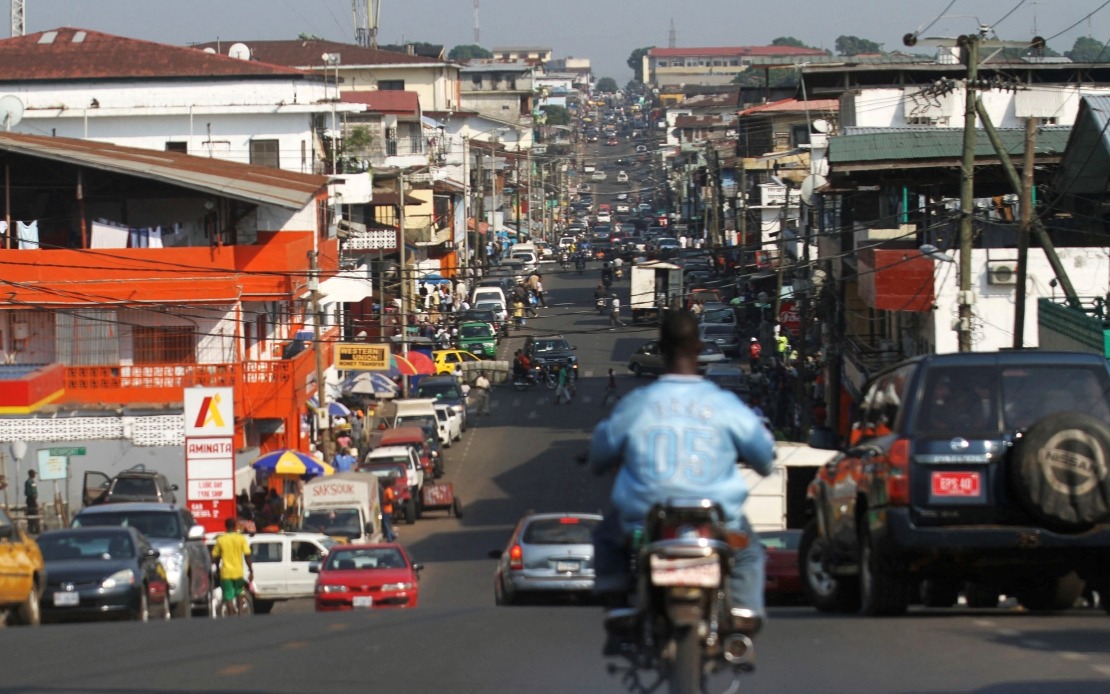
Liberia is poised to welcome the inaugural contingent of deportees under a significant migration accord with the United States, marking a diplomatic development that reflects shifting approaches to irregular migration in West Africa. The arrival of the first 20 individuals from a larger cohort of 1,200 third-country nationals is scheduled for Thursday at Roberts International Airport in Monrovia, where they will be processed by government officials. This deployment underscores how even smaller nations are being drawn into the mechanics of international deportation frameworks, a reality that carries implications for how Southeast Asia might anticipate similar arrangements in its own region.
The bilateral agreement between Monrovia and Washington emerged from discussions initiated in 2023, establishing Liberia as one of a select group of African nations willing to receive deportees who are not citizens of the United States. The cohort encompasses individuals from across Africa and the Western Hemisphere, though specifics regarding their nationalities and circumstances remain limited. Government authorities have stipulated that all individuals transferred must be medically cleared for travel, and some may seek asylum status once they arrive, suggesting that this arrangement functions partly as a humanitarian mechanism rather than a purely punitive exercise.
West African governments have adopted markedly different positions on the US proposal. Nigeria, Africa's most populous nation and a significant economic power in the region, declined participation, citing concerns about sovereignty and the burden of absorbing foreign nationals with unknown backgrounds. This refusal by Lagos sent a cautionary signal about potential resistance to such arrangements. Conversely, Ghana, Sierra Leone, Cameroon, the Democratic Republic of the Congo, the Central African Republic, Equatorial Guinea, and Liberia have acquiesced, creating a patchwork of acceptance across the continent that reflects varying capacities and political calculations.
Liberian officials have framed their participation as consistent with the nation's historical role as a haven for those fleeing persecution and instability. The Liberian settlement was founded by freed American slaves in the nineteenth century, embedding a particular ethos around refuge and resettlement into the national identity. The government's formal position emphasises that the gesture remains entirely humanitarian in character, though this narrative warrants scrutiny given the complexities involved in absorbing populations with potential security, social integration, and resource implications.
A crucial aspect of the arrangement concerns the absence of direct financial compensation to Liberia for assuming this responsibility. The government statement explicitly notes that Monrovia has neither demanded nor received monetary incentives in exchange for participation. However, the agreement does envision technical and financial support to strengthen Liberia's migration infrastructure and institutional capacity—a distinction that matters significantly when evaluating whether poorer nations are being leveraged to solve developed countries' deportation challenges. Enhanced migration systems could yield longer-term benefits, though immediate pressures on reception facilities and social services are inevitable.
The timing of this deployment reflects broader American immigration policy shifts under the current administration, which has prioritised expanding third-country deportation arrangements as an alternative to managing migration exclusively within North American boundaries. This approach effectively externalises the administrative and social burden of irregular migration onto partner nations, a practice that raises ethical questions about burden-sharing in global migration governance. For Malaysia and other Southeast Asian nations, observing how Liberia manages this influx offers a cautionary case study about the demands such agreements impose on host countries.
Liberia's migration system remains relatively underdeveloped compared to Western institutional standards, presenting substantial challenges for receiving and integrating hundreds of individuals from diverse backgrounds. The nation has experienced profound state fragility, civil conflict, and ongoing reconstruction efforts, meaning that adding deportee management responsibilities compounds existing pressures on already-stretched government agencies. The provision of external support is therefore not merely supplementary but potentially essential for preventing humanitarian crises or security complications.
The selection of which African nations would participate appears to have involved pragmatic calculations about diplomatic relationships, economic dependencies, and perceived governance capacity. Liberia's decision may reflect not only humanitarian considerations but also an assessment that accepting deportees could strengthen ties with Washington, potentially yielding benefits in development assistance, security cooperation, or diplomatic influence. This reality underscores how migration policy intersects with broader foreign policy objectives, particularly for smaller nations seeking to maintain leverage in international relations.
For regional observers in Southeast Asia, the Liberia precedent illuminates how migration is increasingly becoming a tool through which wealthier nations redistribute the costs and complexities of managing population mobility to poorer partners. Malaysia, Indonesia, Thailand, and other ASEAN members have already absorbed hundreds of thousands of irregular migrants and refugees without comparable international support mechanisms. The Liberia arrangement suggests that direct deportation agreements may supplement existing informal migration corridors, creating additional pressures on transit and receiving countries that lack formal burden-sharing mechanisms.
The humanitarian dimension of this arrangement cannot be entirely discounted. Individuals transferred under medical clearance may include vulnerable populations requiring protection, and Liberia's willingness to accept asylum applicants indicates recognition that some deportees face genuine persecution risks in their home countries. The distinction between deportation and protection reflects an attempt to balance sovereignty with humanitarian obligation, though the adequacy of this balance remains contested among migration scholars and human rights advocates.
Moving forward, the success or challenges encountered in integrating this initial cohort will likely influence whether similar arrangements expand to other African nations or whether resistance increases. The willingness of countries like Ghana and Sierra Leone to participate suggests that sufficient incentives and perceived diplomatic benefits exist, but sustained participation depends on whether host nations experience manageable outcomes. For Malaysia, this development serves as a reminder that global migration governance continues evolving in ways that may eventually reach the Indo-Pacific, potentially shifting how Southeast Asian nations navigate their own positions on deportation frameworks and third-country responsibility-sharing arrangements.

