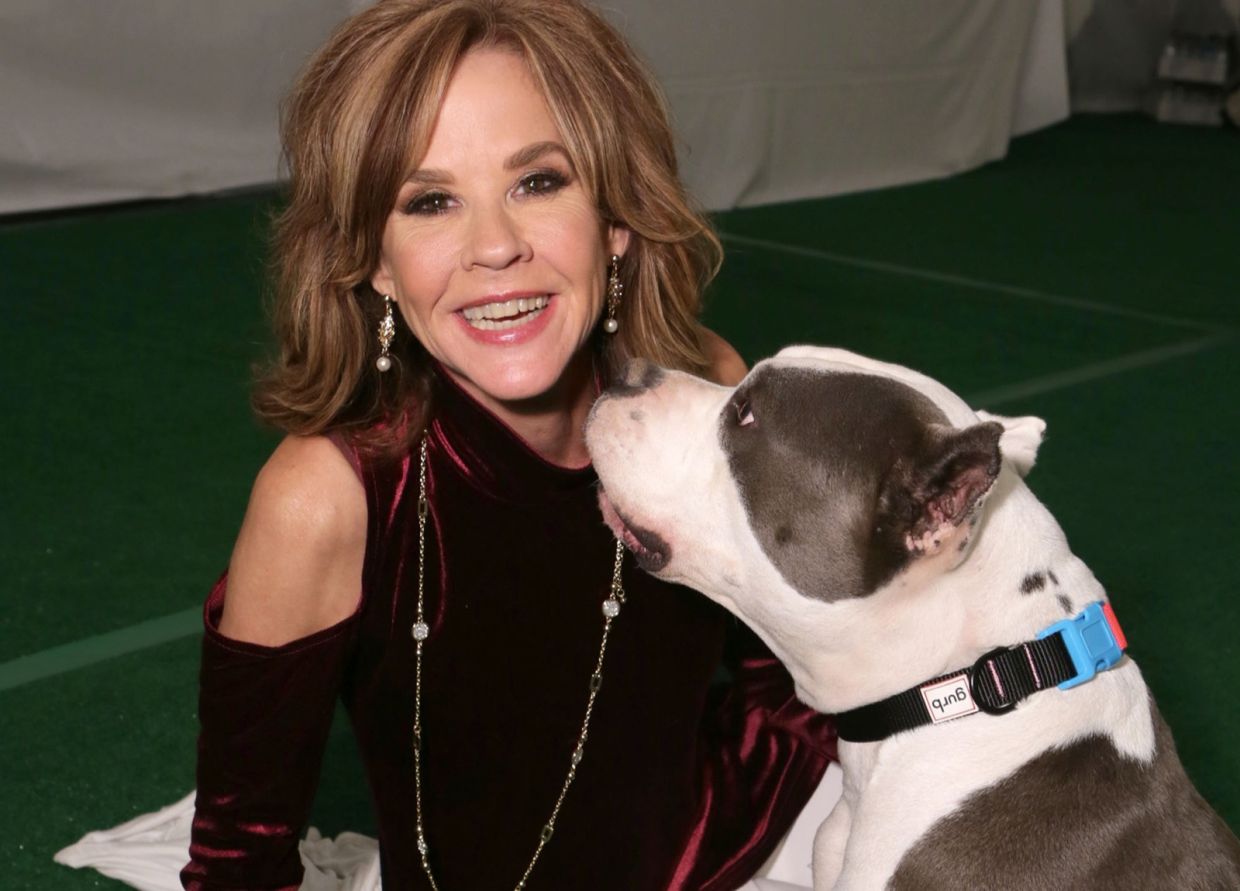
Los Angeles County officials raided the Southern California property of veteran actress Linda Blair on Friday afternoon as part of an investigation into the unlicensed operation of an animal rescue facility. The joint operation, conducted by the Los Angeles County Department of Animal Care and Control and the Department of Regional Planning, focused on allegations that the 67-year-old had been housing more than 100 rescue dogs on her premises without the necessary regulatory authorisation.
The enforcement action represents a culmination of regulatory compliance issues that appear to have accumulated over several months. Blair's kennel permit, which had previously authorised the operation of a rescue facility, lapsed in 2023, leaving her without the legal documentation required to maintain such an operation. Before executing the warrant, officials from both departments made multiple attempts to reach Blair to address the compliance gap, but these efforts proved unsuccessful, ultimately necessitating the property visit.
According to the DACC's official statement, the investigative warrant granted authorities legal standing to access the property and assess compliance with county codes and animal welfare regulations. This procedural step underscores the formal nature of the investigation, though it stopped short of alleging criminal activity. The raid itself was characterised as relatively routine, with enforcement officials able to access the grounds and conduct their assessment without significant incident.
Blair's response to the raid has been notably measured and cooperative. Speaking with media outlets immediately after the visit, the actress indicated that she had not faced any criminal accusations. She emphasised that the visit was administrative in nature and centred on resolving documentation issues rather than substantive welfare concerns. The tone of her response suggested frustration with bureaucratic procedures rather than acknowledgement of serious violations.
In a video posted to Instagram later that evening, Blair addressed her supporters and the wider public about the incident with apparent casualness. She reiterated that both she and the animals at her facility were in good health, framing the entire matter as a straightforward paperwork problem. The actress pointed out that temperatures had reached 105 degrees Fahrenheit during the raid, emphasising the difficult conditions under which the emergency visit had taken place and implicitly suggesting that the timing was particularly inconvenient.
Blair's written commentary accompanying the video provided broader context about the pressures facing animal rescue operations in the region. She highlighted how those working in rescue operations, especially in addressing the severe animal welfare challenges in desert regions and overcrowded shelters, routinely struggle with administrative demands while simultaneously managing overwhelming communication workloads. This framing positions the permit lapse as symptomatic of larger systemic challenges within the rescue community rather than as evidence of deliberate non-compliance.
The incident comes two decades after Blair founded the Linda Blair WorldHeart Foundation in 2003, a nonprofit organisation explicitly dedicated to rescuing, rehabilitating, and rehoming abused, neglected, and abandoned animals. The foundation's stated mission emphasises alleviating animal suffering and providing animals with new homes, reflecting Blair's long-standing commitment to animal welfare causes. This history provides substantial context for understanding the nature of her property operation and the apparent disconnect between her humanitarian intentions and regulatory compliance.
The situation highlights an ongoing tension within California's animal rescue sector between grassroots rescue operations and formal regulatory frameworks. Many dedicated animal rescuers find themselves managing large numbers of animals while struggling to navigate complex permit requirements, particularly when those requirements may have been designed for commercial operations rather than nonprofit rescue efforts. The administrative burden of maintaining current permits, renewing documentation, and maintaining regular contact with multiple government agencies can become overwhelming, particularly for individuals juggling substantial operational responsibilities.
For Malaysian readers and Southeast Asian observers, the incident offers insight into how animal welfare governance functions in developed Western jurisdictions. The Los Angeles County approach demonstrates the existence of formal regulatory structures, inspection procedures, and permit requirements designed to ensure minimum welfare standards for animals in care. While enforcement may occasionally appear rigid or disconnected from humanitarian intentions, such systems theoretically prevent neglect and abuse by maintaining oversight accountability and documentation trails.
The case also underscores broader questions about the appropriate regulatory balance between protecting animal welfare and enabling rescue operations to function effectively. Blair's situation suggests that administrative complexity and procedural gaps can develop even when operators maintain serious commitment to animal care. Her foundation's track record over two decades implies genuine dedication to rescue work, yet permit expiration and communication breakdowns created a situation necessitating law enforcement intervention.
Moving forward, the resolution of Blair's compliance matter will likely depend on her willingness to update necessary documentation and address any specific welfare or operational concerns that authorities may have identified. Given the cooperative tenor of her initial response and the absence of criminal allegations, the situation appears positioned for administrative resolution rather than legal proceedings. The incident will probably conclude with permit renewal, potentially accompanied by updated compliance procedures or welfare assessments.

