The Malaysian Highway Authority (LLM) is moving forward with an expanded safety programme targeting motorcycle users, with Deputy Works Minister Datuk Seri Ahmad Maslan announcing plans to establish 18 additional shelters along the nation's busiest expressway corridors during 2025. The initiative reflects growing recognition of the vulnerability of motorcycle riders to adverse weather conditions and the accidents that frequently result from poor visibility and wet road surfaces during heavy rain.
The placement of these new facilities has been strategically planned to address high-traffic regions. Six shelters will be positioned along the North-South Expressway, which remains the country's primary north-south transport artery. The East Coast Expressway Phase 1 will receive four installations, while the Sprint Expressway, Damansara-Puchong Expressway, Shah Alam Expressway, and Kuala Lumpur-Karak Expressway will each get two facilities. This distribution suggests that highway authorities have analysed traffic patterns and accident data to identify routes where motorcyclists are most likely to require refuge during sudden weather deterioration.
The broader context of this announcement reveals the substantial progress made in recent years. Between 2023 and 2025, the LLM successfully completed construction of 218 motorcycle shelters, accumulating to a nationwide total of 571 such structures along expressways. This rapid expansion underscores a policy shift toward treating motorcycle safety as a priority infrastructure concern rather than an ancillary consideration. For Malaysian commuters who rely heavily on two-wheeled transport, particularly those on long-distance routes, these shelters represent tangible improvements to journey security.
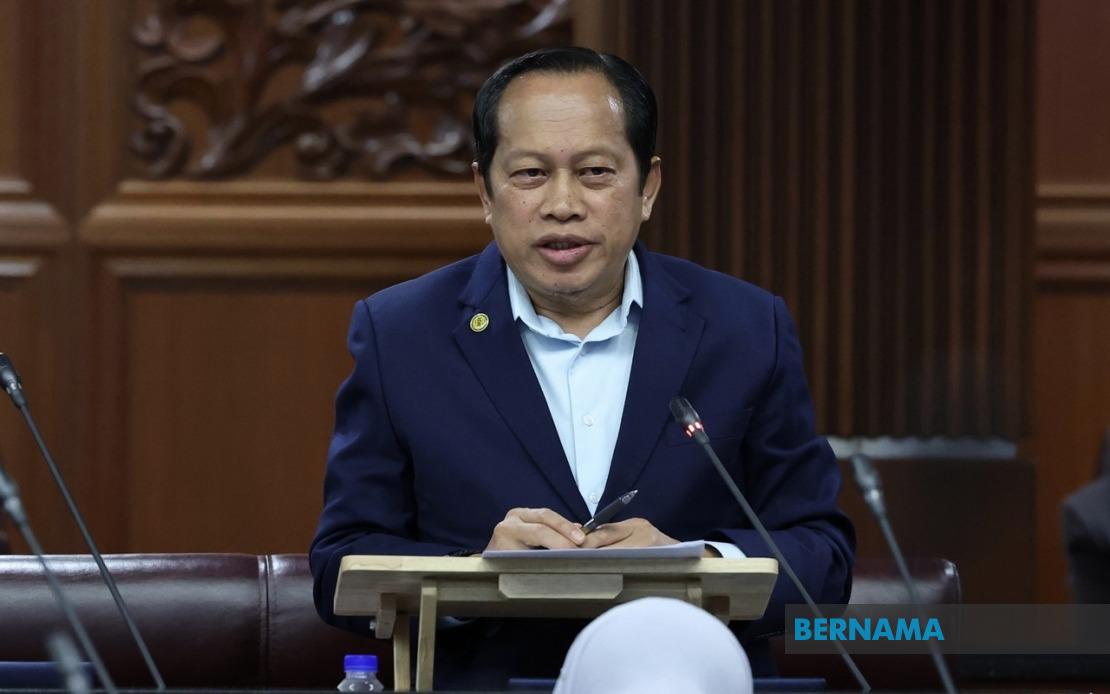
Ahmad Maslan addressed the Upper House during Question Time, responding to concerns raised by Senator R. Thiagarajah regarding motorcycle safety measures. His remarks highlighted that the shelter programme has proven measurable benefits in enhancing rider comfort and reducing the frequency of weather-related accidents. The statement acknowledges an important reality in Malaysian highway transport: motorcyclists face disproportionate exposure to environmental hazards compared to vehicle occupants, making them susceptible to accidents when forced to navigate downpours without shelter.
Beyond physical infrastructure, the LLM has strengthened its regulatory approach to highway safety. All concessionaires operating expressway networks are now required to appoint independent road safety auditors who conduct comprehensive Stage 5 assessments every five years. These in-service audits represent a proactive mechanism for identifying emerging risk zones and enabling timely remedial action. Rather than waiting for accident data to accumulate, this periodic evaluation framework allows authorities to intervene before dangerous conditions deteriorate further.
Statistical evidence supporting the shelter programme's effectiveness emerges from accident records involving motorcyclists who stopped beneath bridges during rain events. Over the past five years, three such accidents have resulted in six fatalities—a relatively modest toll given the volume of motorcycle traffic on Malaysian expressways. The annual breakdown reveals one accident with two deaths in 2022, followed by a more serious incident claiming three lives in 2023. Notably, no recorded incidents occurred during 2024 and 2025, though one fatality has been reported so far this year. This declining trend, while limited in sample size, suggests that expanding shelter availability may contribute to reducing catastrophic outcomes.
The Malaysian context for this initiative warrants consideration. The country has a substantial motorcycle-dependent commuting population, with many workers relying on two-wheeled transport for daily journeys, including long expressway commutes between residential areas and employment centres. Unlike developed nations where motorcycles primarily serve recreational purposes, Malaysian riders often depend on their vehicles for economic survival. Consequently, safety improvements directly affect not only accident statistics but also the financial security of working families who cannot afford to suspend travel during adverse conditions.
The expense and implementation timeline for these 18 shelters remain unspecified in official statements, but the consistent pace of construction—averaging over 70 shelters annually since 2023—suggests the LLM possesses adequate budgetary allocation and project management capacity. This sustained investment indicates government commitment to addressing motorcycle safety as a structural challenge rather than treating it as an intermittent policy concern.
Regional comparison provides additional perspective. Several Southeast Asian neighbours have initiated similar programmes, though Malaysia's systematic approach with independent auditing and multi-year planning frameworks appears comparatively comprehensive. The integration of safety audit requirements alongside physical infrastructure construction creates a more holistic ecosystem for continuous improvement rather than one-off projects.
The announcement also reflects evolving public discourse around road safety. Historically, discussions focused on enforcement and driver behaviour. Contemporary approaches increasingly emphasise infrastructure design and environmental modification as mechanisms for reducing accidents. Motorcycle shelters exemplify this shift: they acknowledge that riders cannot always prevent sudden rain, but road authorities can mitigate consequences through thoughtful facility placement.
For Malaysian motorcyclists, particularly those undertaking regular expressway journeys, these additions represent incremental but meaningful improvements to travel security. The cumulative effect of 571 shelters, soon to reach 589, creates a gradually denser network providing refuge options across major routes. As the programme continues expanding, the availability of shelter facilities becomes an increasingly normal feature of expressway infrastructure rather than a rare amenity.

