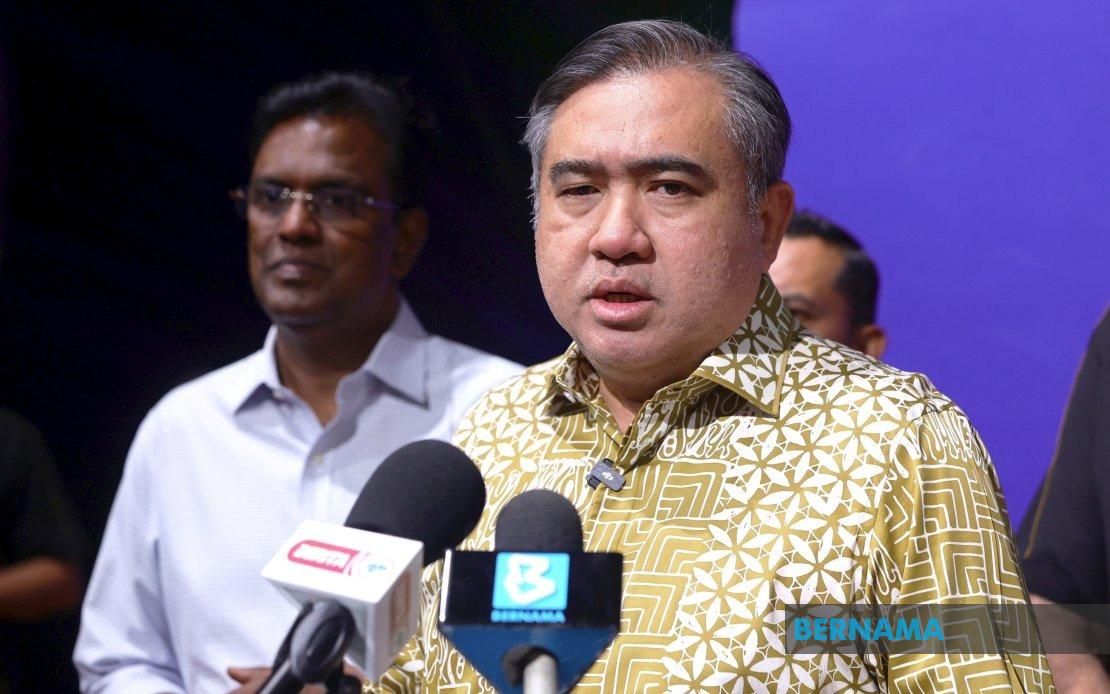
Incumbent Chennah assemblyman Anthony Loke has thrown down a confident challenge to any prospective rivals eyeing his state seat in the looming Negeri Sembilan state election, declaring his preparedness to contest against whoever steps forward. The DAP secretary-general made his position clear while addressing reporters in Seremban after presiding over a MyLesen B2 programme, signalling that he views electoral competition as an inevitable and healthy aspect of democratic governance rather than a threat to his political standing.
Loke's remarks came in response to earlier reports that businessman Albert Tei had expressed openness to contesting the Chennah seat following overtures from a political party keen to field him as a candidate. Rather than dismissing such potential challenges, Loke adopted a pragmatic stance that emphasises the fundamental rights embedded in Malaysia's democratic system. His comments underscore a political maturity that acknowledges the legitimacy of opposition campaigns while simultaneously projecting confidence in his own electoral prospects.
Central to Loke's message was an affirmation of democratic principles and individual rights. He articulated the view that any qualified Malaysian citizen should enjoy the freedom to offer themselves as a candidate without facing obstacles or discouragement. This stance reflects broader democratic values that underpin electoral systems, where open competition among diverse candidates strengthens rather than weakens political legitimacy. By framing potential challengers as exercising a democratic right rather than mounting a personal attack, Loke positioned himself as someone comfortable operating within established constitutional norms.
Nevertheless, Loke was careful to introduce a practical note of caution for aspiring candidates. He highlighted the importance of satisfying eligibility criteria mandated by electoral law, particularly the requirement that contenders register their residential address within the constituency they intend to represent. This reminder carried implicit significance, suggesting that formal compliance with procedural requirements represents a genuine barrier that might disqualify or inconvenience potential challengers. For observers tracking the political dynamics of Chennah, such procedural hurdles could prove consequential in determining the actual field of competitors.
The Chennah assemblyman sought to redirect public attention away from speculation about potential opponents and toward his substantive record of service. Loke emphasised that his primary focus remained fixed on executing his responsibilities as the elected representative for Chennah, rather than engaging in preemptive political sparring with unnamed rivals. This rhetorical choice suggested confidence that his track record of three consecutive electoral victories provides sufficient mandate to weather any challenge that emerges. It also reflected a strategic decision to control the narrative by emphasising positive accomplishments rather than defensive positioning.
Loke's emphasis on the mandate entrusted to him by voters over his three terms carries particular weight in Malaysian state politics, where incumbency advantages remain considerable. The reference to voter trust implicitly argued that his continued tenure reflects genuine public confidence in his stewardship of Chennah affairs. This framing transforms potential electoral competition into a referendum on his performance rather than a genuine threat to his grip on the seat. For constituents in Chennah, the implicit message suggested that backing Loke represents continuity and proven experience.
The timing of Loke's comments assumes heightened significance given the tightening electoral calendar. The Election Commission has designated July 18 as nomination day for the Negeri Sembilan state election, with early voting scheduled for July 28 and polling set for August 1. This compressed timeline means that any interested candidates must move quickly to formalise their candidacies and undertake campaign preparations. The proximity of these dates suggests that potential challengers to Loke must act decisively if they wish to mount meaningful campaigns.
For Negeri Sembilan voters and broader Southeast Asian observers watching Malaysian state politics, the Chennah contest exemplifies how electoral competition operates within established democratic frameworks. Loke's confident posture reflects his assessment that DAP remains well-positioned in this constituency despite broader political currents that might favour opposition parties elsewhere in Malaysia. The potential entry of Tei into the race could introduce a wild card element, particularly if his business background and connections appeal to segments of the Chennah electorate disenchanted with either major bloc.
The broader context of Negeri Sembilan politics adds another layer of significance to the Chennah race. As DAP secretary-general, Loke occupies a prominent position within the party hierarchy and carries enhanced visibility that could cut both ways during electoral campaigns. His elevated national profile may energise DAP supporters while simultaneously attracting scrutiny and opposition from those sceptical of the party's direction at national level. The Chennah result will carry symbolic importance for DAP's standing within Negeri Sembilan and contribute to broader assessments of the party's electoral health across the country.
Looking ahead, the combination of Loke's confident demeanour and the approaching election date suggests that the Chennah contest will unfold according to relatively predictable patterns. Unless Tei or another credible challenger emerges to mount an organised, well-resourced campaign, Loke's incumbency advantage and DAP's organisational strength in the constituency position him as the likely victor. The electorate will ultimately determine whether his three terms of service justify renewed confidence or whether voters desire a change of representation. In either scenario, Loke's welcoming attitude toward democratic contestation reflects a political culture that, despite its complexities, continues to value electoral competition as the mechanism through which power transfers occur.

