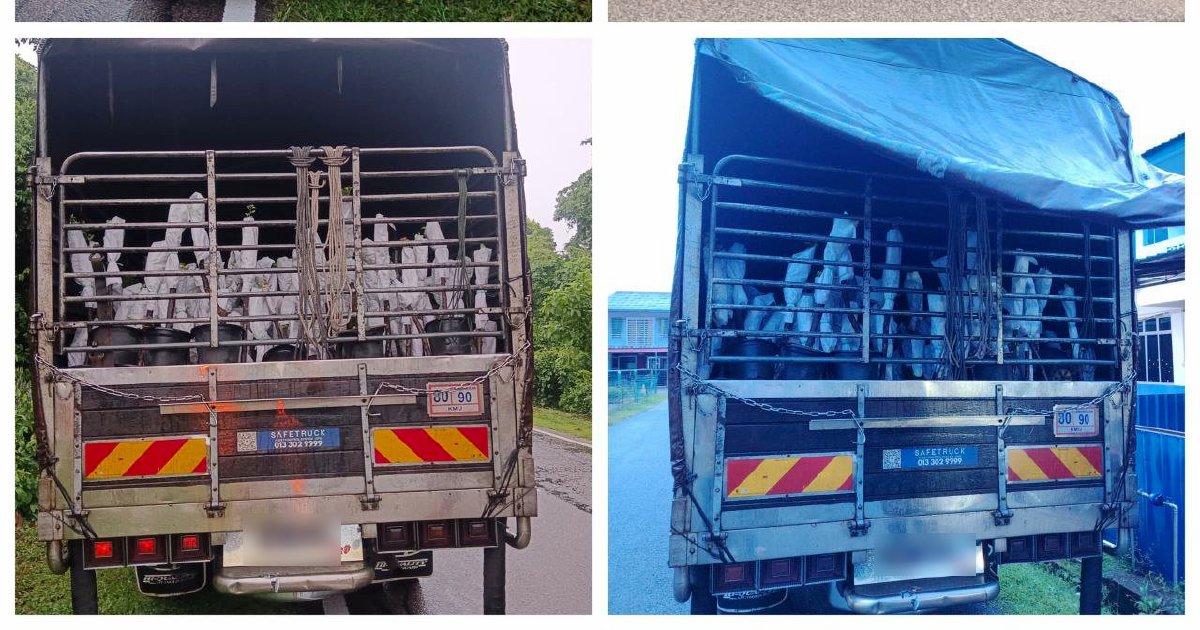
Authorities in Kelantan have arrested two men following the discovery of a substantial consignment of illegally imported plant saplings hidden in a commercial lorry at the Rantau Panjang border checkpoint. The operation, conducted yesterday, resulted in the seizure of nursery stock valued at RM85,000 that had been transported across the Thai-Malaysia border without proper documentation or permits.
The two detained individuals—the driver and his attendant—are now assisting investigators in establishing the supply chain behind what appears to be an organised smuggling operation. The interception highlights growing concerns among customs and agricultural authorities regarding the movement of contraband plant material through Malaysia's northern frontier with Thailand, where enforcement resources have long struggled to maintain comprehensive border oversight.
The Rantau Panjang crossing, a major commercial gateway between Kelantan and Thailand's Narathiwat province, processes substantial daily traffic of both legitimate goods and passengers. The checkpoint has emerged as a critical enforcement zone as authorities intensify efforts to crack down on the illicit trade in botanical specimens that circumvent Malaysia's strict import regulations and phytosanitary protocols.
Plant smuggling operations targeting Malaysia have historically focused on high-value ornamental species and nursery stock that command premium prices in the domestic market. Legitimate importers are required to obtain import permits from the Department of Agriculture and comply with comprehensive health certificates confirming freedom from pests and diseases. The bureaucratic requirements and associated costs create economic incentive for dealers to pursue informal border channels, undercutting legal operators and exposing the domestic horticulture sector to potential biosecurity risks.
The RM85,000 valuation assigned to the seized materials suggests the haul represented either significant volume or high-specification specimens—possibly including rare ornamental varieties or specialty nursery stock valued by collectors and commercial landscapers. Such seizures have become increasingly common as demand grows within Malaysia's expanding property development and garden design sectors, where imported plants command strong market appetite.
The implications extend beyond simple customs fraud. Unvetted plant imports pose serious environmental and agricultural risks to Malaysia's biodiversity and food security. Undocumented specimens may harbour invasive pests, pathogens, or diseases that could establish themselves in Malaysian soils and vegetation, potentially devastating local flora and jeopardising agricultural productivity. Previous incursions of unauthorised plant material have occasionally introduced scale insects, fungal pathogens, and other agricultural threats that require extensive quarantine and eradication efforts.
The operation underscores the persistent vulnerability of Malaysia's northern land borders to organised smuggling networks despite enhanced checkpoint procedures and inter-agency coordination. The Rantau Panjang crossing, like many frontier gateways across Southeast Asia, requires constant vigilance and sophisticated detection methods to identify concealed contraband among the legitimate commercial flows that constitute the lifeblood of regional trade.
Thailand has become a major hub for horticulture production within Southeast Asia, and the differential in plant availability and pricing between Thai and Malaysian markets creates natural commercial opportunity for informal traders. Nurseries and agricultural merchants in Thailand's border provinces actively service Malaysian demand through both legal export channels and illicit supply networks, with the latter typically involving minimal documentation and regulatory scrutiny.
The detention of the two suspects initiates an investigation that may reveal the broader commercial architecture supporting the smuggling operation. Authorities typically focus on identifying the sources of the saplings in Thailand, the intended distribution networks in Malaysia, and the financial mechanisms facilitating the trade. Such intelligence gathering often proves as valuable as the immediate seizure itself, enabling enforcement agencies to disrupt organised trafficking patterns rather than merely intercepting individual consignments.
The incident reflects a wider Southeast Asian pattern in which agricultural and botanical products represent significant smuggling commodities alongside more publicised contraband categories such as narcotics and wildlife. The porous nature of land borders combined with the commercial viability of high-value plants creates persistent enforcement challenges that require sustained inter-agency commitment and international cooperation with neighbouring jurisdictions.
As Malaysia's horticultural sector continues expanding and urbanisation drives demand for ornamental plants and landscaping materials, the pressure on smuggling networks to supply the market through informal channels is likely to intensify. Enforcement agencies must therefore balance strengthened border controls with targeted efforts to improve compliance incentives for legitimate importers and to communicate the genuine biosecurity and environmental risks posed by unvetted plant imports to both traders and consumers.

