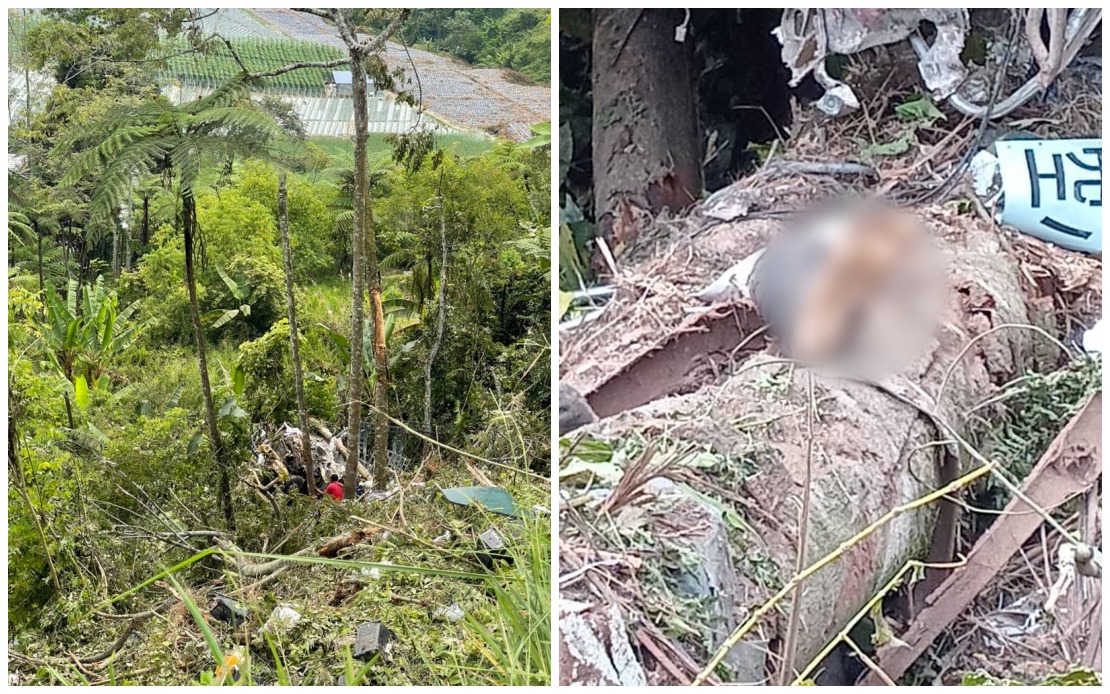
A fatal accident claimed the life of a lorry driver in Gua Musang on Thursday when his 10-tonne vehicle careened off the road and plunged into a deep ravine near the Pos Blau-Lojing Bridge. The driver, a man believed to be in his 40s, was trapped beneath a fallen tree at the crash site and was pronounced dead before he could be transported to medical care.
Emergency services received word of the disaster at 11.58 am, but the remote location of the incident posed significant challenges to the rescue operation. The Gua Musang Fire and Rescue Station, headquartered nearly 98 kilometres away, did not arrive at the scene until 1.59 pm, a delay of almost three hours that highlighted the accessibility issues faced in rural areas of Peninsular Malaysia. Assistant Senior Fire Supt Muhammad Azrul Izzham Zulkifli, the station chief, detailed the circumstances in an official statement released after the recovery effort concluded.
When firefighters finally reached the crash location, they discovered the lorry had descended approximately 150 feet into the ravine adjacent to an orchard area. The severity of the impact, combined with the terrain, created an extremely hazardous rescue environment. Initial information gathered by police officers at the scene indicated that the driver had become trapped beneath a substantial tree trunk following the vehicle's plunge, rendering him unable to self-extract or call for assistance.
The rescue operation required firefighters to engage in delicate extraction work, necessitating the removal of the tree that had pinned the victim. Despite their efforts and expertise, the three-hour interval between the initial crash and arrival of rescue personnel proved insurmountable. The driver was confirmed deceased at the scene, and his body was subsequently transferred to police custody to enable proper documentation and investigation protocols to commence.
Gua Musang district police chief Supt Sik Choon Foo acknowledged the incident upon contact with media and confirmed that preliminary investigations had been initiated. However, the precise cause of the accident remained unclear in the immediate aftermath. Police investigators would need to examine multiple factors including the vehicle's mechanical condition, road surface characteristics, weather circumstances at the time, and the possibility of driver error or medical incapacity.
The incident underscores persistent challenges affecting road safety in Malaysia's rural and semi-mountainous regions. The Gua Musang district, situated in Kelantan state, encompasses terrain characterised by steep slopes, winding roads, and limited emergency service infrastructure. The Pos Blau-Lojing route, located in a sparsely populated area, exemplifies the geographic realities that emergency responders must navigate when responding to incidents far from urban centres.
Road accidents involving commercial vehicles remain a significant public health concern across Malaysia. Heavy vehicles such as 10-tonne lorries present particular risks due to their mass, braking characteristics, and the challenging dynamics when such vehicles lose control on slopes or curves. This tragic incident raises questions about road conditions, maintenance standards, and safety oversight along regional routes that serve agricultural and commercial transport needs.
The extended response time, while not necessarily attributable to any organisational failure, reflects broader systemic challenges. Rural communities often experience pronounced delays in emergency service arrival, a disparity that can prove fatal in time-sensitive medical situations. Enhanced coordination between state fire departments, police, and medical services, along with investment in strategically positioned rescue equipment, could potentially improve outcomes in future incidents.
As police conduct their formal investigation, attention will focus on determining whether mechanical failure, environmental factors, or human error contributed to the lorry's departure from the roadway. Authorities will likely examine maintenance records, inspect the vehicle's condition, and interview any witnesses who may have observed the incident. Such investigations provide valuable data for identifying systemic improvements and informing public safety messaging.
This fatal accident adds to Malaysia's road traffic mortality statistics and serves as a sobering reminder of the hazards confronting commercial drivers who operate along regional highways. Families and communities affected by such incidents face prolonged grief, while the broader society must grapple with the economic and social costs of preventable transportation fatalities. Moving forward, enhanced safety measures, improved emergency response capabilities, and sustained focus on road maintenance could help mitigate similar tragedies.

