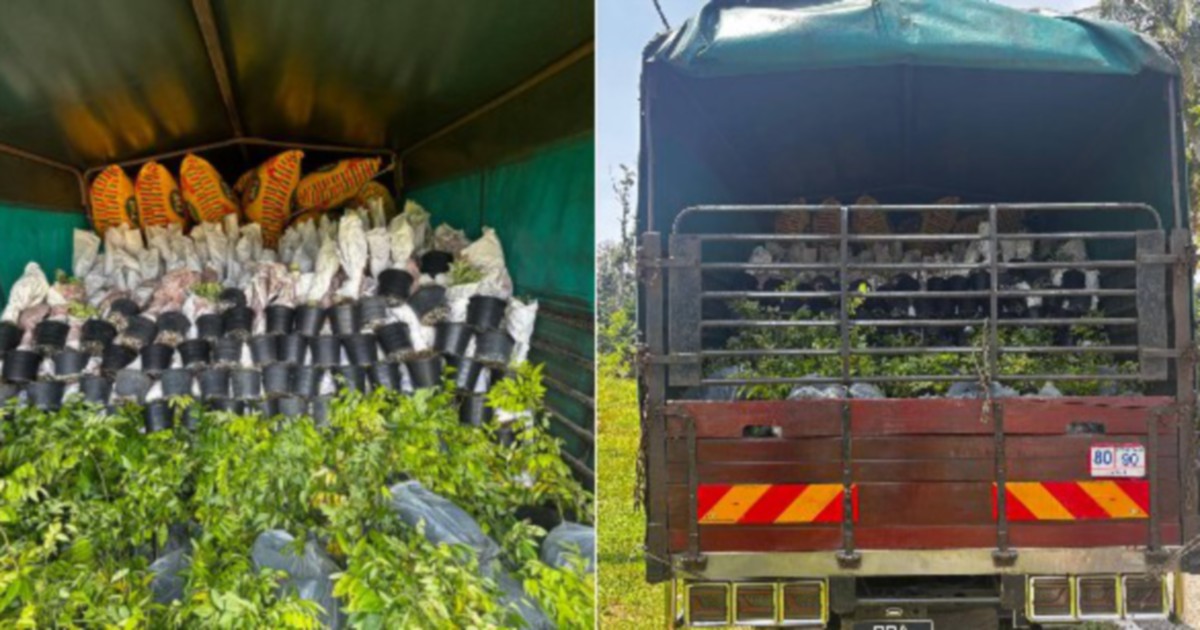
Authorities in Kelantan have detained a lorry driver following the interception of a substantial consignment of ornamental plant saplings at the Rantau Panjang border crossing. The haul, comprising 6,000 saplings with an estimated market value of RM200,000, is believed to have been illegally imported from Thailand into Malaysia. The seizure took place at Kampung Padang Licin, an area proximate to the Malaysia-Thailand frontier where cross-border trade activity remains considerable.
The arrest represents another chapter in ongoing enforcement efforts targeting the illicit horticultural trade along the northern border. The Rantau Panjang district, which straddles Kelantan's frontier with Thailand's Yala Province, has long served as a conduit for various commodities moving between the two nations. While legitimate cross-border commerce in agricultural goods occurs regularly, unlicensed smuggling of high-value nursery stock circumvents import duties and biosecurity protocols designed to protect Malaysia's agricultural sector.
Ornamental plants constitute a lucrative segment within the horticultural trade, particularly among domestic consumers and commercial landscapers. The RM200,000 valuation attached to this particular seizure suggests the saplings were destined for end-users willing to pay premium prices, whether retailers, landscaping companies, or affluent private buyers. Thailand's nursery industry produces substantial quantities of ornamental species for regional distribution, creating natural supply-chain incentives for cross-border movement when regulatory pathways become cumbersome or costly.
Smuggling operations targeting plant material typically exploit vulnerabilities at land borders where detection requires specialized botanical knowledge and inspection capacity. The volume involved in this case—6,000 individual saplings—indicates coordinated logistics rather than opportunistic individual trafficking. Such operations commonly employ established networks connecting Thai suppliers, Malaysian intermediaries, and local distribution points. The arrest of the driver potentially exposes deeper supply chains, though whether investigators have identified additional individuals remains unreported.
Malaysia's agricultural import regulations mandate proper documentation, phytosanitary certification, and duty payment for plant material crossing borders. These requirements exist partly to prevent the introduction of pests, diseases, and invasive species that could threaten domestic crops and ecosystems. The unregulated importation of ornamental saplings, while seemingly benign compared to other contraband categories, creates cumulative biosecurity risks when repeated across numerous transactions. A single diseased specimen smuggled through unchecked could potentially establish new pathogen populations in local nurseries or gardens.
The financial implications extend beyond the immediate seizure's value. Revenue authorities lose import duties and sales taxes that would accompany legitimately imported horticultural goods. Local Malaysian nursery operators face unfair competition from smuggled products sold at prices not reflecting regulatory compliance costs. This dynamic has prompted industry associations to advocate for stronger enforcement, arguing that legitimate nursery businesses cannot compete against goods that bypass the official supply chain entirely.
Rantau Panjang remains a persistent enforcement challenge across multiple commodity categories. The district's porous geography, substantial daily cross-border foot and vehicle traffic, and established smuggling infrastructure create systemic interdiction difficulties. Customs and border security personnel operate within resource constraints, requiring prioritization decisions about which goods and routes receive intensive monitoring. High-value but relatively low-risk items like ornamental plants may receive intermittent attention compared to controlled substances or counterfeit goods.
The arrest comes amid growing attention to environmental and biodiversity concerns in Southeast Asia. Uncontrolled importation of non-native ornamental species carries risks beyond immediate biosecurity measures. Escaped or deliberately released specimens can establish feral populations, potentially outcompeting native flora and disrupting local ecosystems. Malaysia's commitment to conservation frameworks and regional environmental protocols creates additional policy justification for stringent import controls on plant material.
Authorities have not disclosed full details regarding the driver's background, intended destination for the saplings, or the supply source within Thailand. Whether the individual was a small-time operator, mid-level logistics provider, or integral member of a larger trafficking organization remains unclear from available information. Such distinctions carry significance for prosecutorial strategy and potential sentencing considerations under Malaysia's import and customs regulations.
The incident underscores the resource allocation challenges faced by Malaysian border enforcement agencies. While high-profile drug trafficking remains the priority focus, everyday smuggling of agricultural commodities persists with less public visibility. The seizure demonstrates that enforcement capability exists for ornamental plant interdiction when checkpoints function effectively, yet gaps clearly remain given the apparently routine nature of such operations.
Local business stakeholders and environmental advocates will likely monitor the legal outcome of this case and subsequent enforcement actions. The prosecution of smugglers and public awareness of seizures can deter future attempts, though structural incentives for cross-border evasion remain substantial as long as regulatory costs in Malaysia exceed the risks of clandestine importation. Longer-term solutions potentially involve bilateral cooperation with Thai authorities to disrupt supply-side operations, licensing framework reforms, and technology deployment at border points to enhance detection rates.

