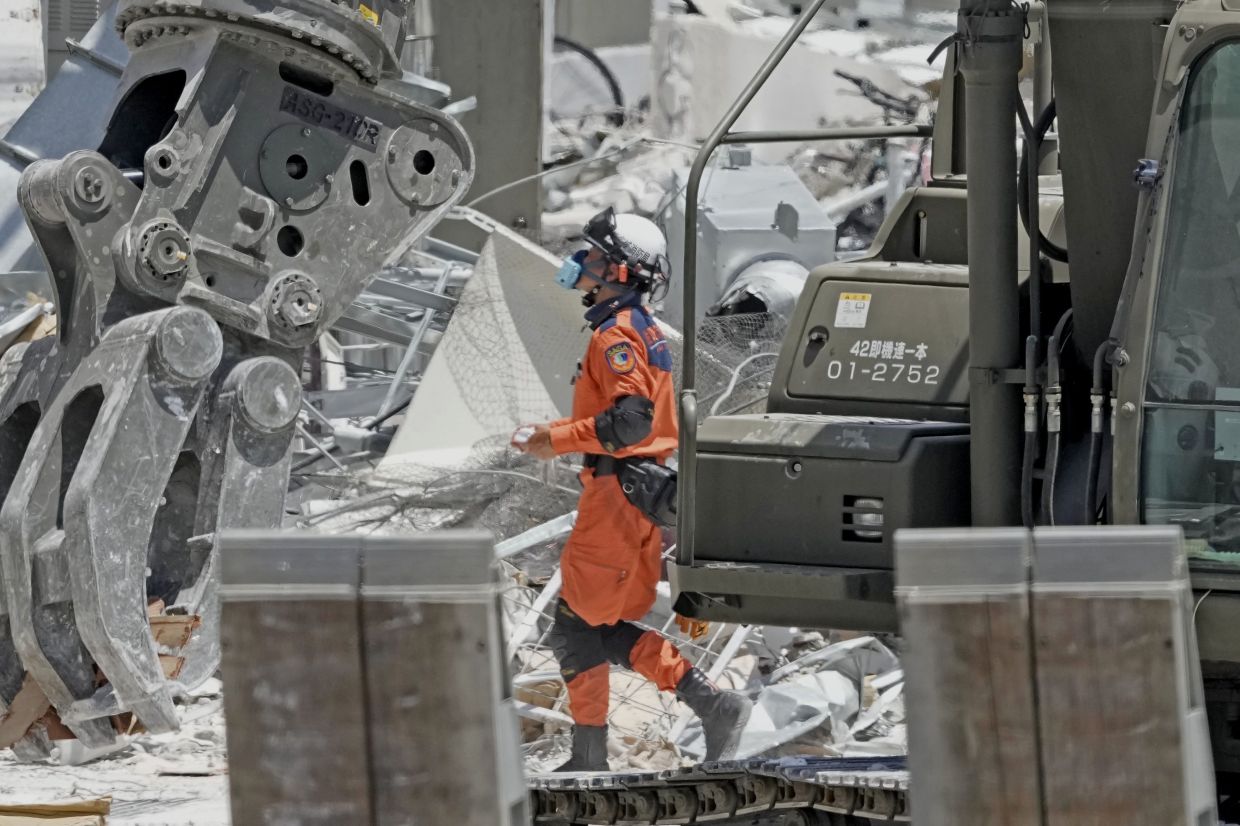
An investigation by Japan's Economy, Trade and Industry Ministry has concluded that a liquefied petroleum gas leak almost certainly triggered the devastating explosion at Aeon Mall Kumamoto on July 28, following a significant earthquake in the region. The finding, announced on August 5, points to a chain of events initiated by seismic activity but culminating in a catastrophic detonation that claimed three lives among mall employees and inflicted substantial structural damage to the facility's south side on the second floor.
The timing of the disaster underscores the vulnerability of commercial infrastructure to cascading failures after natural disasters. The blast occurred approximately 80 minutes after the earthquake struck, suggesting that the initial ground movement may have disrupted the mall's gas distribution infrastructure, setting off a delayed but lethal sequence of events. This lag between the earthquake and the explosion highlights how secondary hazards can emerge well after the primary seismic event, complicating emergency response and public safety protocols in affected areas.
The Aeon Mall Kumamoto, a major shopping destination in the prefecture, relies on liquefied petroleum gas for multiple essential operations across the complex. Restaurants positioned along the north side of the first floor utilise the fuel for cooking, while the food court situated on the east side of the second floor depends on LPG for both meal preparation and water heating. Additionally, the gas fuels air conditioning systems throughout the facility, making it an integral component of the mall's operational infrastructure and climate control during Japan's typically warm seasons.
The gas supply system itself was substantial in scale and complexity. A dedicated storage tank holding 9,367 kilogrammes of LPG sat on the mall premises, with fuel delivered through an underground pipeline network that branched into intricate webs of tubing running through the structure's floors and walls. This distributed system, while efficient for normal operations, created multiple potential failure points should the earthquake have caused ruptures or misalignments in any section of the piping network.
Investigators determined that the tank itself retained approximately normal quantities of gas at the time of the explosion, effectively ruling out a sudden catastrophic failure of the main storage vessel. Instead, evidence points to the dangerous accumulation of leaked gas within the building's interior spaces. Officials suggest that ruptures or disconnections in the secondary piping system, likely triggered by the earthquake's ground motion, allowed LPG to escape and pool in concealed areas such as wall cavities and floor spaces where it could not be easily detected or dispersed.
The buildup of this colourless, odourless fuel (which commercial suppliers add odorants to for safety detection) created explosive pockets within the mall's structural cavities. Without proper ventilation in these hidden spaces, concentrations of gas likely reached levels capable of detonation when exposed to even minor ignition sources—such as electrical sparks from damaged wiring or the activation of equipment as power systems restabilised following the earthquake.
Search and rescue operations conducted by Kumamoto prefectural police and fire authorities provided crucial evidence supporting the LPG hypothesis. Personnel reported detecting a distinctive gas smell throughout portions of the building during their investigations, a finding consistent with widespread distribution of escaped fuel rather than a single localised leak. This olfactory evidence, combined with the pattern of structural damage concentrated on the second floor's south side, helped narrow the focus of the investigation toward the piping network supplying that section of the facility.
The precise mechanism by which the gas ignited remains under continued investigation. The ministry acknowledged that determining the exact cause of the initial leak would require detailed technical analysis of the damaged piping, valve connections, and adjacent infrastructure. Engineers must reconstruct how the earthquake's specific ground motion patterns—the direction and intensity of seismic waves—translated into physical stress on the underground and in-building gas distribution systems.
This incident carries significant implications for Japan and the wider East Asia region, where shopping malls and commercial complexes routinely rely on LPG for heating, cooking, and air conditioning. The disaster suggests that existing building codes and safety protocols may require reassessment, particularly regarding secondary containment measures for gas piping in areas vulnerable to seismic activity. The widespread adoption of LPG in commercial establishments across Southeast Asia—including Malaysia, where similar malls serve comparable functions—means that comparable risks potentially exist in other jurisdictions.
The Kumamoto explosion also highlights the importance of incorporating redundancy and resilience into utility infrastructure within commercial buildings. Standard safety procedures typically include regular inspections and maintenance, but the Kumamoto case demonstrates that even well-maintained systems can fail unexpectedly when exposed to natural hazards of the magnitude experienced on July 28. Building operators and facility managers throughout the region must consider whether their current safety systems adequately account for the possibility of multiple simultaneous equipment failures triggered by earthquake damage.
For rescue and emergency management professionals, the incident underscores the necessity of maintaining heightened vigilance during the hours and days immediately following significant seismic events. Rather than assuming danger has passed once initial shaking ceases, authorities must systematically inspect utility systems and remain alert to secondary hazards that may develop as damaged infrastructure degrades or as systems return to operation. The deaths of the three mall employees serve as a sobering reminder of these risks.

