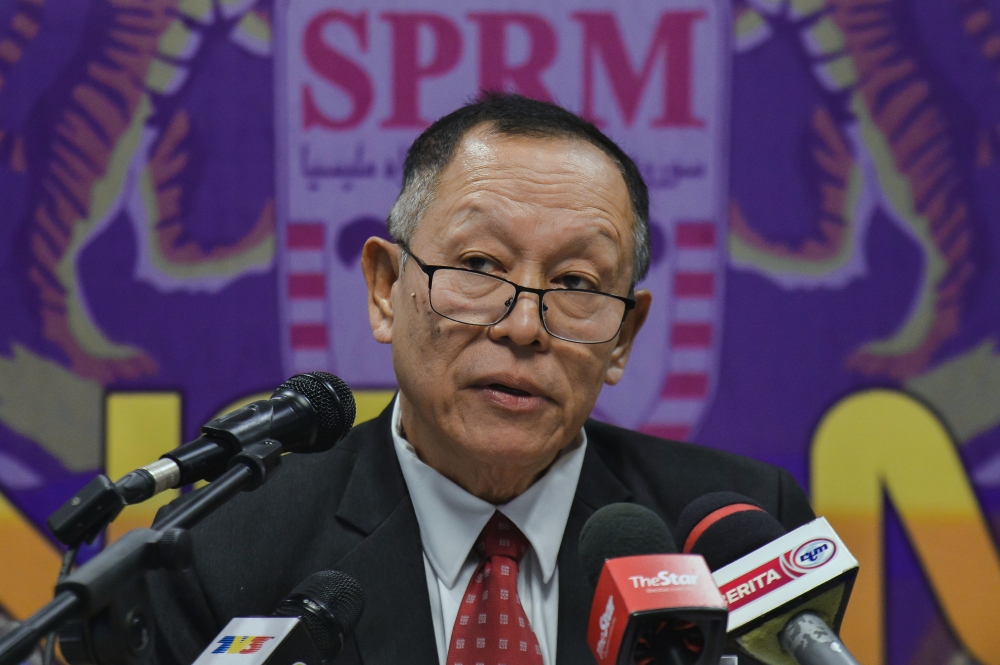
The Malaysian Anti-Corruption Commission has moved against two senior corporate executives in a high-profile abuse of power investigation centring on a RM370 million plantation transaction. The arrests, announced in Kuala Lumpur on August 5, represent the latest in a series of enforcement actions targeting alleged misconduct within Malaysia's corporate leadership ranks. Both individuals held senior positions at a company involved in the contested transaction, which authorities have flagged for potential violations of public trust and fiduciary duties.
The investigation into the RM370 million deal reflects growing scrutiny of major business transactions in Malaysia, particularly those involving significant asset transfers and ownership changes. Plantation investments remain economically important across Southeast Asia, and the prominence of this case underscores regulators' determination to ensure transparency in such deals. The scale of the alleged impropriety—measured in hundreds of millions of ringgit—signals that investigators consider this more than a routine compliance matter.
Abuse of power allegations typically centre on executives using their authority to approve transactions that benefit themselves or connected parties at the expense of shareholders or the public interest. In cases involving company leadership, such conduct can represent a fundamental breach of governance standards expected to protect institutional and investor interests. The involvement of both the chief executive officer and chief financial officer suggests the investigation may have identified a coordinated approach to the disputed transaction, or that both roles were critical to its approval and execution.
The MACC's intervention underscores Malaysia's multi-layered approach to corporate accountability, combining anti-corruption investigations with separate regulatory oversight by bodies such as the Securities Commission and Bursa Malaysia. This coordinated enforcement environment has intensified following several high-profile corporate scandals in recent years that eroded public confidence in governance standards. The commission's willingness to pursue senior executives sends a message that no position offers insulation from accountability when misconduct is suspected.
For Malaysian investors and the broader business community, these arrests carry immediate implications. Companies face renewed pressure to strengthen internal controls, audit functions, and board-level oversight of significant transactions. Listed firms must demonstrate robust approval processes and independent verification of major deals to satisfy increasingly vigilant regulators and wary shareholders. The reputational risk associated with governance failures extends beyond legal consequences, affecting share valuations, access to capital, and stakeholder confidence.
The plantation sector, which has long grappled with environmental and labour-related controversies, now confronts intensified scrutiny of its financial transactions. Industry players must ensure that major acquisitions, restructurings, or ownership transfers withstand the most rigorous examination. The case may prompt major plantation companies to review their governance frameworks and board composition, particularly regarding independent oversight of executive decisions. Institutional investors, including pension funds and sovereign wealth managers with significant holdings in Malaysian plantations, will likely demand enhanced transparency and safeguards.
Regional observers note that Malaysia's approach to executive accountability sets a tone for corporate governance across Southeast Asia. Countries in the region facing similar governance challenges often look to Malaysian precedents when designing enforcement strategies. This case, by pursuing executives at the highest levels, demonstrates that investigations can extend beyond routine malfeasance to target systematic abuse of authority embedded in major transactions. The prosecution of senior leaders carries pedagogical weight, signalling that corporate rank does not diminish legal exposure.
The timing and scale of these arrests also reflect resource allocation within the MACC, suggesting investigators have devoted significant effort to building a case against individuals at the apex of corporate hierarchies. Such cases typically require months of document review, witness interviews, and specialist analysis to establish patterns of improper decision-making. The willingness to prosecute chief executives and financial officers indicates confidence in the underlying evidence and the perceived seriousness of the alleged violations.
Broad questions about how such transactions gain approval in the first place warrant examination. The RM370 million scale suggests the deal likely involved board-level scrutiny and potentially shareholder approval. If executives were able to shepherd such a transaction through formal governance channels, the implications extend to the effectiveness of existing safeguards. Boards may have lacked sufficient independence, audit committees may have been inadequately resourced, or disclosure requirements may have permitted insufficient transparency regarding conflict of interest or valuation concerns.
Moving forward, the case will illuminate the standards that Malaysian courts expect regarding executive fiduciary duties and the exercise of corporate authority. Verdicts, once reached, will establish legal precedent regarding the threshold for prosecuting abuse of power in corporate contexts. The outcome may also influence how other regulatory bodies, including the Securities Commission and the Companies Commission of Malaysia, approach similar investigations and enforcement actions. Markets will watch proceedings closely, anticipating clarity on the legal boundaries of executive discretion and the consequences of transgressing those boundaries.
For employees and shareholders of companies facing governance questions, the MACC action provides reassurance that institutional mechanisms exist to address alleged misconduct at the highest levels. However, reliance on enforcement after the fact underscores the importance of preventative governance frameworks. Listed companies and their boards must continuously evaluate whether their structures, processes, and cultures adequately prevent abuse of authority before regulators become involved. The arrests serve simultaneously as an enforcement statement and a cautionary reminder about the essential role of robust governance in protecting investor interests and maintaining public confidence in Malaysia's corporate ecosystem.

