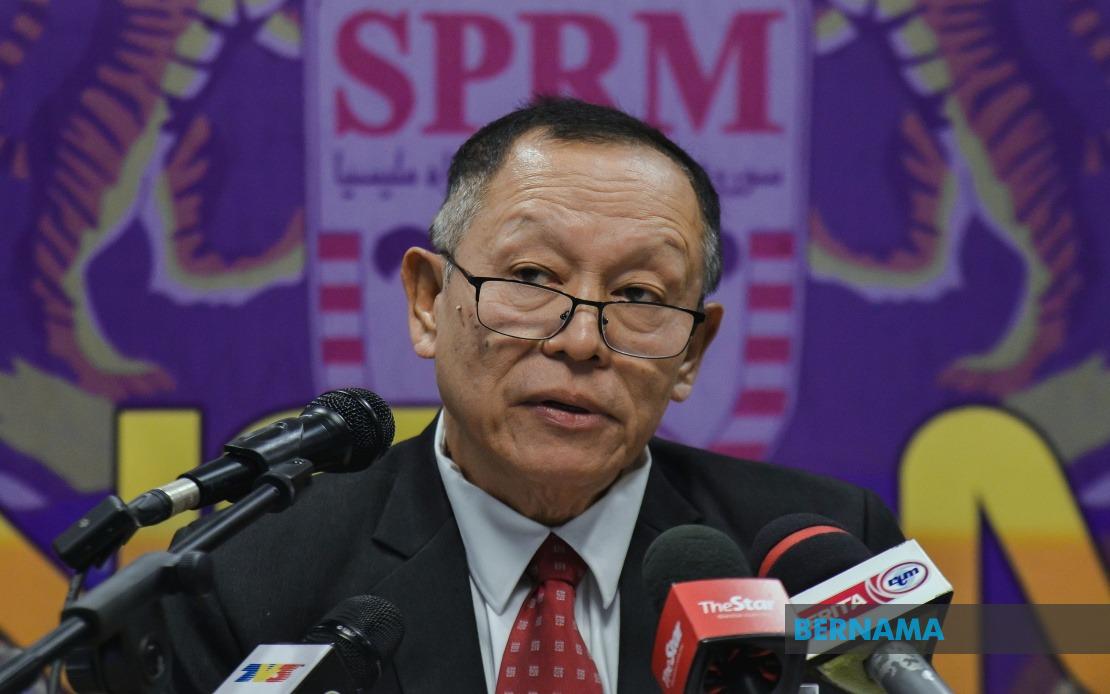
The Malaysian Anti-Corruption Commission has concluded its interrogation of a former chief financial officer connected to the Tabung Haji RM370 million plantation share acquisition scandal that formed a central focus of the recent royal commission report. MACC chief commissioner Datuk Seri Abd Halim Aman announced the completion of the questioning session, confirming that the fourth and concluding day of statement-taking took place at the anti-corruption body's Putrajaya headquarters, with proceedings running from 9 am until 6.30 pm.
The 60-year-old former CFO submitted to questioning as part of MACC's ongoing investigation into allegations of abuse of power surrounding the contentious purchase of shares in two plantation companies. The individual voluntarily presented himself at MACC headquarters on Tuesday alongside the company's former chief executive officer, both subsequently detained for the purpose of providing their accounts to investigators. This development marks a significant step forward in unraveling the circumstances that led to the substantial financial commitment in the two plantation entities.
The RM370 million transaction in question has drawn intense scrutiny since the Royal Commission of Inquiry released its findings on Lembaga Tabung Haji's operations and governance. The RCI examination, which forms the legal and factual foundation for MACC's current probe, identified this share purchase as a focal point of concern regarding potential misuse of executive authority and fiduciary responsibility. The fact that investigators required four full days of questioning suggests the complexity of the financial arrangements and decision-making processes involved in the acquisition.
For Malaysian readers, the Tabung Haji case represents a particularly sensitive matter given the pilgrim fund's significance to the Muslim community and its role in facilitating the hajj pilgrimage for hundreds of thousands of Malaysians annually. Any findings of institutional malfeasance or executive misconduct would represent a breach of public trust in an organisation entrusted with the savings of millions of ordinary citizens. The scale of the alleged irregularity—RM370 million—underscores the magnitude of the potential financial exposure and the consequent damage to institutional credibility.
The questioning of senior executives, rather than mid-level functionaries, indicates that MACC investigators are pursuing lines of inquiry that reach into the upper echelons of decision-making authority. The involvement of both the former CFO and former CEO suggests that investigators are examining the roles played by multiple senior officials in approving and facilitating the transaction. This approach typically signals that investigators suspect coordinated action or deliberate circumvention of proper oversight mechanisms rather than isolated individual misconduct.
The deliberate choice to conduct four separate daily sessions points to the methodical nature of MACC's investigative approach. Rather than rushing through questioning in compressed timeframes, the commission appears intent on methodically extracting detailed accounts of the decision-making process, the approval chain, the due diligence procedures that were allegedly followed, and the justifications offered for this substantial capital deployment. Each session likely probed different aspects of the transaction or explored inconsistencies emerging from previous questioning.
Within Southeast Asia's broader anti-corruption context, Malaysia's MACC has gained recognition for pursuing high-profile cases involving public officials and state-linked entities. The Tabung Haji investigation contributes to this track record while simultaneously testing the commission's capacity to navigate the politically sensitive terrain surrounding government-linked institutions. The fact that royal commissioners deemed this transaction sufficiently concerning to highlight in their report suggests that concerns about the share purchase were documented through official channels before reaching MACC's investigative desk.
The timing of MACC's intensive questioning also warrants consideration. The RCI's conclusions provided investigators with a roadmap of specific allegations to pursue and evidentiary pointers regarding documentation and decision-making sequences. Armed with this official inquiry framework, MACC can proceed with greater confidence in targeting its questioning toward substantive matters rather than fishing expeditions. The four-day interrogation window represents a substantial commitment of investigative resources, reflecting the perceived importance of securing comprehensive accounts from these key figures.
Governance failures within pilgrimage fund management carry implications extending beyond mere financial irregularity. Such cases inevitably prompt scrutiny of appointment procedures, board composition, and oversight mechanisms within state-linked entities across Malaysia. Institutional investors, individual depositors, and policymakers will be closely monitoring MACC's findings and any subsequent prosecutorial actions. The investigation's trajectory may prompt wider reviews of governance frameworks affecting similar entities managing public resources or citizen savings.
The conclusion of the former CFO's statement-taking does not necessarily mark the endpoint of MACC's investigative efforts surrounding this transaction. Investigators may pursue additional witnesses, forensic accountants may examine documentary evidence, and international inquiries may be lodged regarding offshore elements of the share purchase if applicable. The statement completion does, however, represent the conclusion of questioning directed at this particular individual, suggesting that investigators have extracted what they consider essential accounts from this key figure.
The plantation share acquisition controversy illustrates the enduring challenge facing Malaysia's anti-corruption machinery in maintaining public confidence in state-linked institutions. Beyond the immediate legal questions surrounding the RM370 million transaction, the case raises broader questions about transparency, accountability, and the adequacy of internal controls within entities managing substantial public resources. For Southeast Asian observers, the Tabung Haji investigation underscores the region's ongoing struggle to reconcile development imperatives with robust institutional governance.

