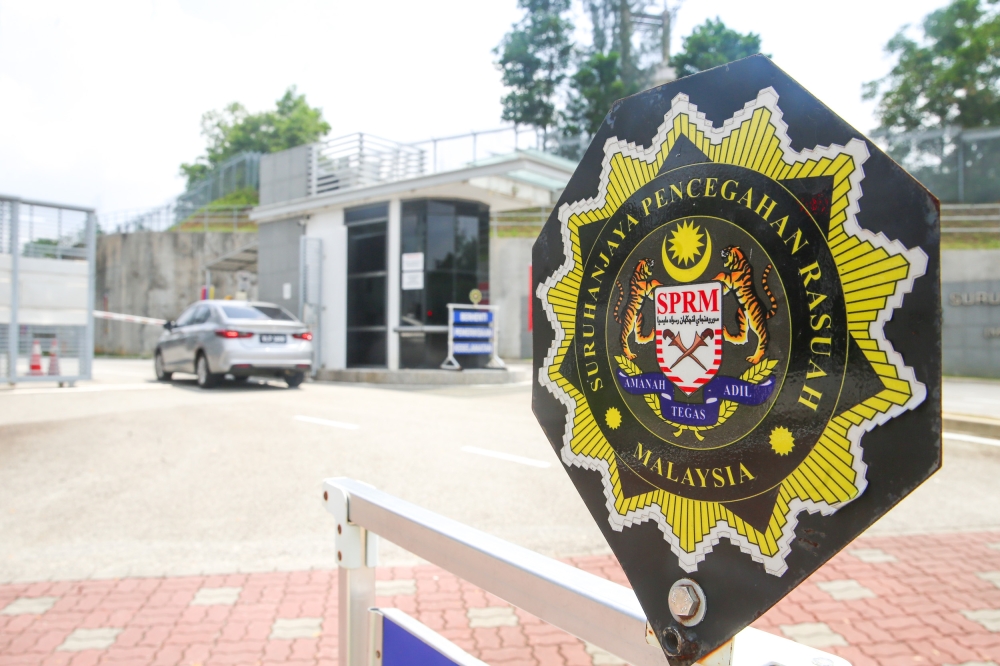
The Malaysian Anti-Corruption Commission (MACC) has secured a five-day remand order against three individuals suspected of unlawfully diverting RM450,000 in penalty payment funds, according to developments in Putrajaya on August 5. The detentions represent a widening circle of suspects in what investigators characterize as a systematic scheme involving the improper handling of monetary penalties collected through official channels.
This latest action follows earlier arrests connected to the same investigation, signalling that authorities have identified additional layers of involvement in the alleged misappropriation. The MACC's sequential approach to detention suggests the commission is methodically building its case by interrogating multiple individuals who may have played complementary roles in facilitating the alleged financial irregularity. Each detention provides investigators with opportunities to cross-reference statements and uncover the operational mechanics of how the funds were allegedly diverted from their intended destination.
For Malaysian readers accustomed to following corruption cases, the scale of RM450,000 represents a substantial sum, particularly when misappropriated from penalty collections—funds typically earmarked for public benefit or institutional purposes. The specificity of the amount and the targeting of multiple suspects suggests investigators have identified concrete documentation supporting their preliminary case. Such meticulous evidence gathering is characteristic of MACC's approach when pursuing complex financial crimes involving coordination among multiple parties.
The remand period provides MACC with critical investigative time. During five days of custody, the three detainees can be questioned extensively regarding the transaction trails, authorization channels, and individuals who may have approved or facilitated the transfer of funds. Investigators typically seek to establish who authorized the penalty payments, where the money was redirected, and what mechanisms were exploited to circumvent standard financial oversight procedures. Understanding these operational details is essential for determining whether the misappropriation was opportunistic or part of a pre-planned arrangement.
The involvement of multiple suspects raises questions about institutional controls and oversight mechanisms. If three individuals working together could divert RM450,000 without immediate detection, it suggests either a breakdown in financial auditing procedures or potentially deliberate circumvention of existing safeguards. For Malaysian institutions and agencies managing penalty collection systems, this case underscores the vulnerabilities that can emerge when authorization processes are inadequately segregated or when supervisory layers become insufficient.
From a regional perspective, Malaysia's MACC continues demonstrating relatively robust investigative capacity in pursuing financial crimes. The commission's ability to identify suspects, obtain court orders, and escalate investigations signals institutional resilience despite occasional criticisms about selective enforcement. For neighbouring countries in Southeast Asia grappling with similar corruption challenges, Malaysia's approach—combining preliminary arrests with strategic remand extensions—represents a methodical investigative model that prioritizes evidence accumulation over rushed prosecutions.
The specific focus on penalty payment misuse warrants closer examination. Penalties collected by government agencies represent a distinct vulnerability within the financial system because these funds often flow through less rigorous tracking mechanisms compared to standard government revenue. If collectors or administrators can alter payment records or redirect penalty collections before they enter main treasury systems, they can create significant blind spots for auditors. Understanding how the RM450,000 was moved will reveal whether enforcement weaknesses exist in penalty collection procedures across Malaysian agencies.
The coming days will prove crucial as MACC personnel conduct intensive questioning. Authorities will likely pursue several investigative threads simultaneously: determining the chronology of transactions, identifying any external parties who benefited from the diverted funds, and establishing whether this represents an isolated incident or part of a larger pattern affecting other penalty collections. The quality of evidence extracted during remand will substantially influence whether prosecutors ultimately proceed with formal charges and the severity of potential culpability attributed to each suspect.
For the Malaysian public and business community, this investigation carries implications for confidence in institutional financial management. When penalty systems—mechanisms designed to enforce compliance and deter wrongdoing—become vehicles for corruption themselves, it undermines the legitimacy of regulatory frameworks. Businesses subject to penalties may question whether their payments reached legitimate government accounts or were siphoned elsewhere, potentially eroding trust in the fairness of enforcement actions.
The MACC's investigation also reflects broader anti-corruption efforts in Malaysia that have intensified in recent years. By pursuing cases involving misappropriation of official funds, the commission demonstrates commitment to investigating corruption at multiple institutional levels. Whether involving high-ranking officials or mid-level administrators, the agency appears committed to pursuing allegations where evidence suggests financial misuse occurred. This consistency is essential for maintaining public perception that anti-corruption efforts apply uniformly rather than selectively targeting particular individuals or sectors.
As the five-day remand period unfolds, Malaysian observers will monitor whether additional arrests follow or whether these three individuals represent the extent of suspected involvement. The scope of the investigation will ultimately determine whether authorities classify this as an isolated breach by opportunistic individuals or evidence of systemic vulnerabilities requiring broader institutional reforms across penalty collection systems. The coming interrogations may reveal not only individual culpability but also structural weaknesses demanding corrective action at the agency level.

