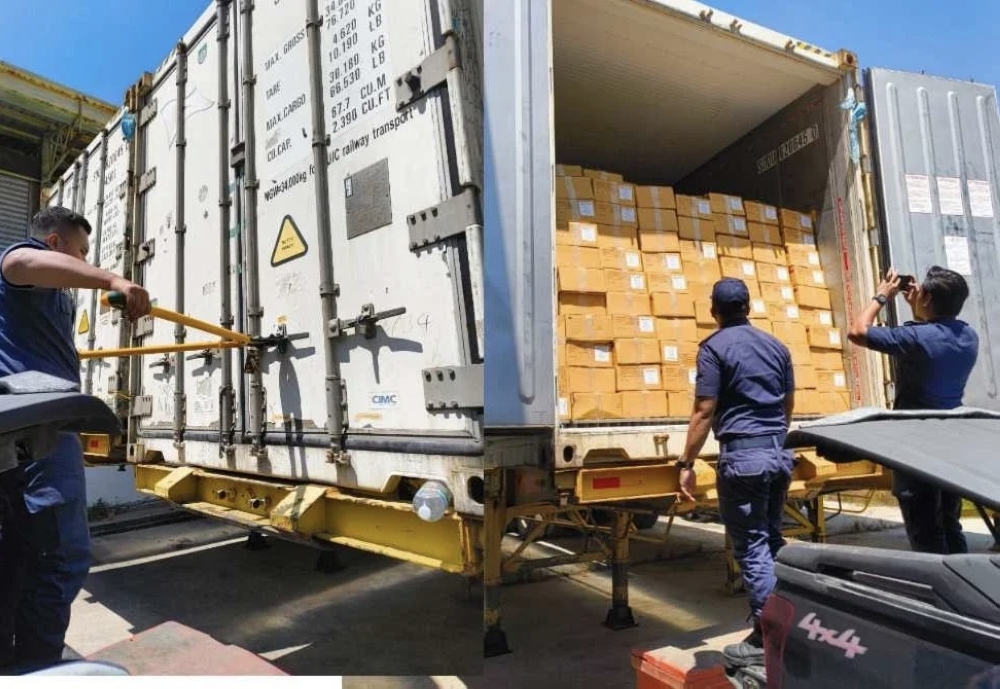
The Malaysian Anti-Corruption Commission has dismantled a significant smuggling operation centred on the illicit importation of frozen chicken products from China into Sabah, marking another enforcement victory against organized criminal networks exploiting Malaysia's porous borders and weak customs compliance. Three suspects have been apprehended in connection with the investigation, codenamed Operation Chick, as authorities work to dismantle supply chains that undermine legitimate poultry producers and pose potential food safety risks to consumers across the state.
The bust represents a coordinated crackdown on corruption within import and distribution channels that facilitates the entry of contraband goods into Malaysian commerce. Investigators uncovered evidence suggesting the syndicate operated with apparent coordination between smuggling operatives, customs officials, and local distributors who facilitated the movement of unauthorized frozen chicken products through Sabah's ports and inland distribution networks. The scale and sophistication of the operation indicates this was not a casual smuggling venture but rather an established criminal enterprise generating substantial illicit revenue.
Sabah's geographic position as Malaysia's eastern gateway, combined with its complex maritime boundaries and extensive port infrastructure, has historically made the state vulnerable to smuggling activities. The frozen chicken operation exploited these vulnerabilities by leveraging inadequate inspection protocols and corruption within enforcement agencies. Criminal networks trafficking in contraband foodstuffs target states like Sabah precisely because of the challenges in monitoring and policing vast coastlines and the relative ease of introducing unauthorized shipments through less-regulated entry points compared to peninsular Malaysia's tighter customs infrastructure.
The implications for Malaysia's domestic poultry sector are substantial. Local chicken producers operating within regulatory frameworks and meeting food safety standards face unfair competition from black-market suppliers offering cheaper, unregulated products. Consumers purchasing these smuggled products face undisclosed health risks, as frozen chicken imported outside official channels bypasses mandatory quality inspections, veterinary certification, and traceability requirements established to protect public health. The proliferation of such operations gradually erodes market confidence in legitimately sourced poultry and destabilizes the domestic agricultural supply chain.
Food security has emerged as a critical concern for Malaysian policymakers, particularly as global supply chain disruptions and inflationary pressures continue affecting agricultural imports. The intrusion of illegal frozen chicken imports, primarily from China, represents a direct challenge to Malaysia's ability to ensure transparent, safe food sourcing and maintain viable domestic production capacity. When illegal imports flood markets at artificially suppressed prices, domestic producers reduce output, leading to long-term supply vulnerabilities and increased dependency on foreign sources—a precarious position for a nation seeking food self-sufficiency in essential protein sources.
The investigation highlights persistent corruption vulnerabilities within Malaysia's customs and import regulatory apparatus. The involvement of suspected government officials in facilitating unauthorized shipments underscores systemic weaknesses in oversight and accountability mechanisms. Even as the MACC pursues individual prosecutions, structural reforms ensuring rigorous inspection protocols, enhanced surveillance of high-risk import categories, and robust personnel vetting remain essential to prevent recurrence of similar schemes. The commission's success in dismantling this particular syndicate should catalyze broader institutional reforms addressing the root conditions enabling such operations.
Southeast Asian frozen poultry imports have historically been exploited as vehicles for smuggling activities due to the commodity's high bulk, relatively lower unit values, and established regional trading patterns. China's position as a major source of frozen chicken exports to the region means legitimate supply chains intermingle with illicit shipments, complicating enforcement efforts. Malaysian authorities must enhance cooperation with Chinese counterparts and regional customs agencies to develop more sophisticated tracking mechanisms and intelligence-sharing protocols capable of distinguishing legitimate from contraband consignments at point of origin and entry.
The arrest of three individuals, while a tactical victory, represents only an initial phase of investigation. Prosecutors will need to establish the organizational structure, financial flows, and extent of corruption within relevant agencies to pursue comprehensive charges against the broader conspiracy. Successful prosecution requires producing evidence of intentional conspiracy, corruption facilitation, and awareness of legal violations—elements that require sustained investigative effort beyond the initial arrests. The MACC's pursuit of senior figures within the smuggling network, including any officials who facilitated the operation, will be crucial to dismantling the enterprise's operational capacity.
For Malaysian consumers and legitimate businesses, Operation Chick's success demonstrates renewed institutional attention to food security threats and corruption in import governance. However, enforcement victories against individual syndicates, while symbolically important, require complementary preventive measures including enhanced port security, improved inter-agency intelligence sharing, and market-level monitoring of pricing anomalies that indicate illegal competitive pressure. Sustained commitment to these broader enforcement strategies, rather than episodic crackdowns, offers the most realistic path toward eliminating systematic smuggling vulnerabilities in Sabah's critical food supply infrastructure.

