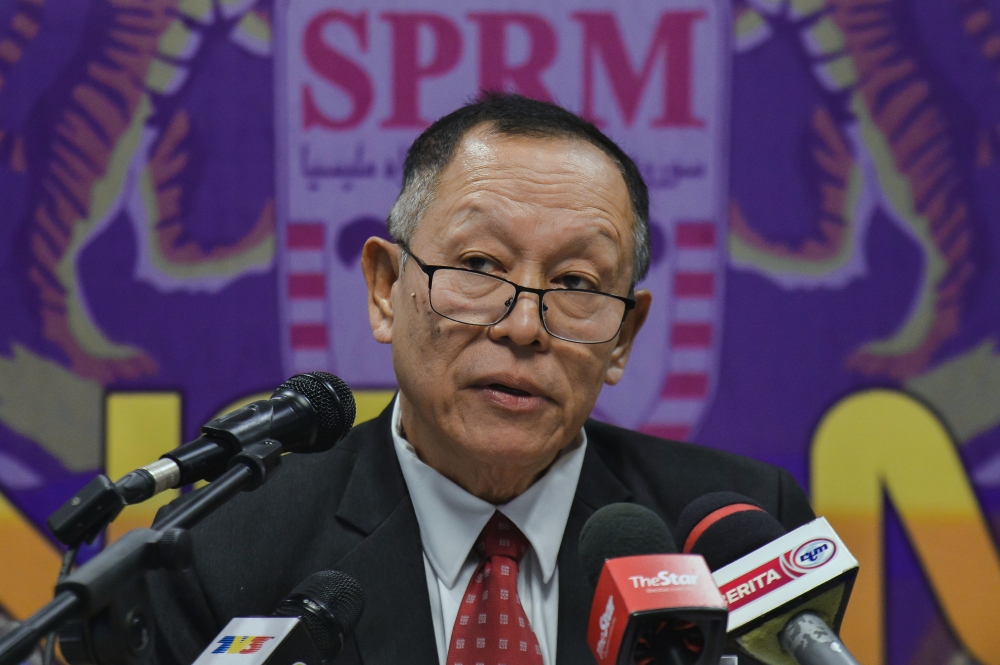
The Malaysian Anti-Corruption Commission (MACC) is seriously contemplating the involvement of international forensic specialists to help untangle the complexities of the ongoing Tabung Haji investigation, according to statements made in Kuching. This consideration comes after the agency has already committed substantial investigative resources to the case, having called in 115 witnesses and secured the detention of seven suspects over alleged irregularities at the Islamic pilgrimage fund.
The decision to potentially recruit external expertise reflects the scale and technical complexity of the probe into Malaysia's largest Islamic financial institution. Tabung Haji manages billions of ringgit in funds belonging to Malaysian Muslim pilgrims and operates as a key institution within the Islamic financial ecosystem. Allegations emerging from the investigation appear to require specialized knowledge that may extend beyond domestic forensic capabilities, prompting MACC leadership to explore international options.
The seven individuals held in connection with the probe represent a cross-section potentially spanning different organisational levels and departments within Tabung Haji. While specific charges and identities remain subject to investigative protocols, the breadth of detentions suggests the alleged misconduct may involve multiple layers of institutional processes. The involvement of 115 witnesses further indicates that investigators are conducting a comprehensive examination of transactions, approvals, and oversight mechanisms across extended time periods.
Engaging foreign forensic experts would mark a significant escalation in the investigation's scope and ambition. International specialists typically bring advanced technical capabilities in digital forensics, financial trail reconstruction, and evidence analysis that can prove invaluable when examining complex institutional networks. This step would also signal MACC's determination to build an airtight case capable of withstanding rigorous legal scrutiny in Malaysian courts, where such high-profile cases often face intense defence challenges.
The Tabung Haji investigation carries profound implications beyond the immediate institutional context. Public trust in Islamic financial institutions underpins Malaysia's broader Islamic finance leadership in the region, a sector that has contributed significantly to the country's economic reputation. Any erosion of confidence in major Islamic funds could ripple through the broader ecosystem of Shariah-compliant investments and affect investor sentiment across Southeast Asia's Islamic finance marketplace.
For Malaysian stakeholders, the integrity of Tabung Haji holds particular significance given its role in facilitating the Hajj pilgrimage for millions of middle and working-class Malaysians. The fund's management directly affects the financial security of ordinary citizens who deposit savings specifically designated for the sacred journey. Misconduct at institutional levels inevitably creates anxiety among depositors and raises questions about internal governance structures and accountability mechanisms.
The investigation's progression suggests MACC is building its case methodically rather than rushing toward prosecutions. The decision to interview 115 witnesses before formalizing charges indicates a commitment to establishing comprehensive documentary and testimonial foundations. By exploring international forensic assistance, investigators appear to be strengthening evidentiary protocols that could withstand appellate scrutiny and demonstrate institutional rigour to the public.
International cooperation in investigations has become increasingly common among Southeast Asian anti-corruption agencies, though formal engagement of foreign specialists still requires careful consideration of jurisdictional boundaries and intelligence-sharing protocols. MACC's deliberation on this step reflects evolving global standards for investigating complex financial crimes, particularly within institutions managing public funds. Such partnerships also enhance Malaysia's standing within international anti-corruption networks and demonstrate commitment to best-practice investigative standards.
The case also highlights broader questions about institutional governance within major Malaysian public funds. Pilgrimage funding bodies across the region face similar pressures balancing accessibility with robust oversight, and Malaysia's handling of this investigation may establish precedents influencing governance discussions throughout Southeast Asia's Islamic financial sector. How MACC structures its investigation and presents evidence will likely inform regulatory conversations about fund management accountability.
As the investigation progresses, the potential involvement of foreign forensic specialists underscores the technical dimensions of modern financial misconduct cases. Digital transactions, fund transfers, and institutional records increasingly require specialized interpretation to establish causal chains and identify deliberate irregularities versus administrative errors. International expertise can provide independent verification of findings and strengthen prosecutorial positions by introducing methodologies recognized within global legal frameworks.
The timeline for the investigation remains unclear, though the decision to consider external specialists suggests investigators anticipate a lengthy process requiring sustained technical support. For Tabung Haji depositors and the Malaysian public, the investigation's progress directly influences perceptions of institutional reliability and government commitment to protecting public assets. The investigation's ultimate outcome will likely shape regulatory discussions and governance reforms affecting Islamic financial institutions throughout the country.

