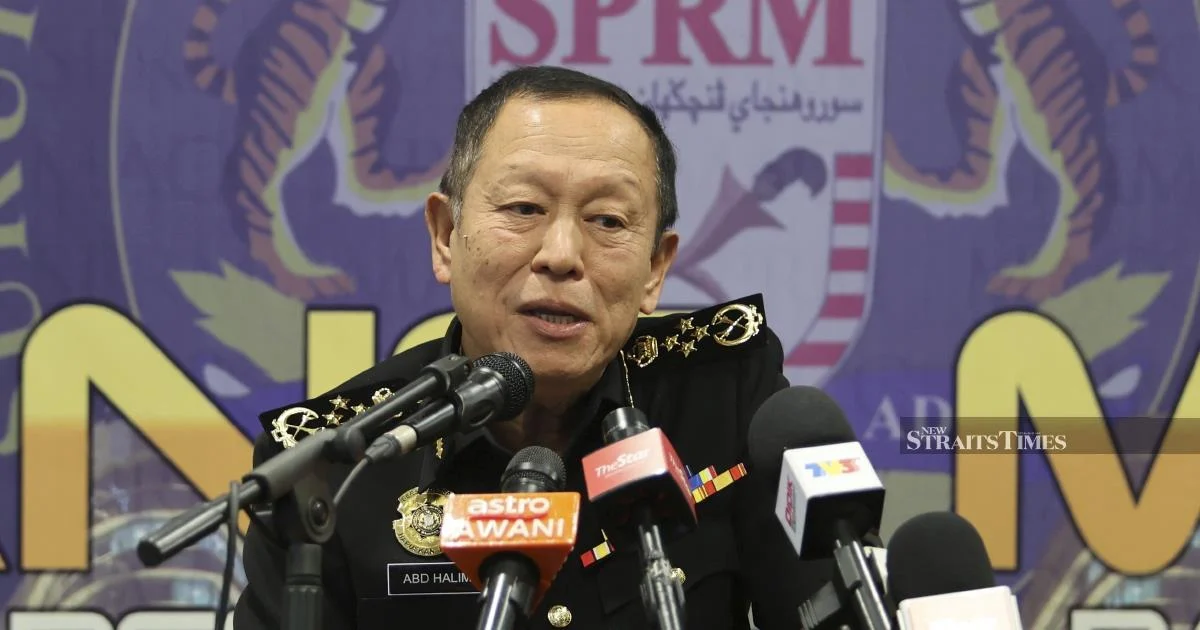
The Malaysian Anti-Corruption Commission (MACC) has reassured the public that its pursuit of fugitive businessman Low Taek Jho remains an ongoing priority, with investigators neither halting nor shelving the case despite his continued absence from Malaysian shores. The confirmation from the MACC's leadership comes amid persistent public interest in the high-profile inquiry, which has expanded beyond Malaysia's borders as international law enforcement agencies collaborate on related matters.
Jho Low has become one of the most sought-after figures in the region following his alleged involvement in the 1Malaysia Development Berhad (1MDB) scandal, which exposed one of the largest financial frauds in modern history. The businessman, once a prominent fixture in Malaysian business circles, vanished from public view as investigations intensified and authorities moved to freeze his assets and initiate criminal proceedings. His disappearance and continued evasion have not diminished the MACC's determination to pursue accountability, the agency emphasises.
The 1MDB fund, launched as an investment vehicle to boost Malaysia's sovereign wealth, instead became a vehicle for siphoning billions of ringgit through a complex web of shell companies and offshore accounts. Jho Low's alleged central role in orchestrating these transfers and his subsequent flight have made the case emblematic of the scale and sophistication of financial crimes that can flourish when oversight mechanisms are compromised. The case has prompted significant reforms in Malaysia's financial regulatory framework and corporate governance standards.
International complications have added layers of complexity to the investigation. Several countries have launched parallel inquiries, with American authorities in particular pursuing civil and criminal cases related to funds that transited through United States financial systems. Singapore, Switzerland, and other jurisdictions with relevant evidence and witnesses have also contributed to the investigative effort. This multi-jurisdictional approach has simultaneously advanced the case and created procedural challenges in coordinating evidence and maintaining investigative momentum.
The MACC's public reaffirmation that the investigation remains active serves a dual purpose: it signals to the international community that Malaysia has not abandoned its pursuit of accountability, and it demonstrates to Malaysians that despite Jho Low's current inaccessibility, the agency continues dedicating resources to the matter. Such statements become particularly significant in contexts where sustained public attention can wane, allowing complex cases to fade from official priority lists.
Jho Low's ability to evade capture, despite Malaysia's status as an advanced economy with sophisticated law enforcement infrastructure, underscores the challenges that global financial criminals present. Intelligence reports have periodically placed him in various countries, though none have resulted in his apprehension. His network of supporters, accumulated wealth, and access to resources capable of facilitating international movement have enabled a prolonged absence that frustrates Malaysian authorities and raises uncomfortable questions about the efficacy of Interpol red notices and international arrest coordination mechanisms.
The reputational damage inflicted by the 1MDB affair on Malaysia has been substantial and enduring. The scandal damaged investor confidence, tarnished the nation's international standing, and required years of diplomatic effort to restore credibility. Jho Low's continued freedom represents an unresolved chapter in this narrative, leaving a symbolic gap in Malaysia's recovery from the crisis. For policymakers and oversight bodies, his case serves as a cautionary lesson about the necessity of robust internal controls and the importance of external scrutiny in large institutional contexts.
From a Malaysian perspective, the continued investigation also reflects the country's commitment to the rule of law and international cooperation on financial crimes. As Southeast Asia positions itself as a regional financial hub, demonstrating the ability to pursue complex cross-border fraud cases enhances the region's credibility with international partners and investors. The MACC's persistence signals that no amount of distance or delay will deter the pursuit of justice.
The investigation has also generated significant jurisprudence and regulatory evolution. Recommendations emanating from investigations into 1MDB have influenced corporate governance reforms, enhanced transparency requirements for large fund management entities, and strengthened mechanisms for detecting anomalous financial flows. In this sense, the case has catalysed systemic improvements that extend beyond the singular pursuit of one individual.
Looking forward, the MACC's commitment to keeping the investigation active hinges on sustained political will, continued international cooperation, and the eventual location of Jho Low or the discovery of evidence that advances prosecution prospects. The agency's public statement serves to counter any perception that the passage of time has diluted determination. For Malaysian society, the pursuit of accountability in the 1MDB matter remains symbolically important, representing the triumph of institutional mechanisms over the ability of wealth and connections to guarantee impunity.

