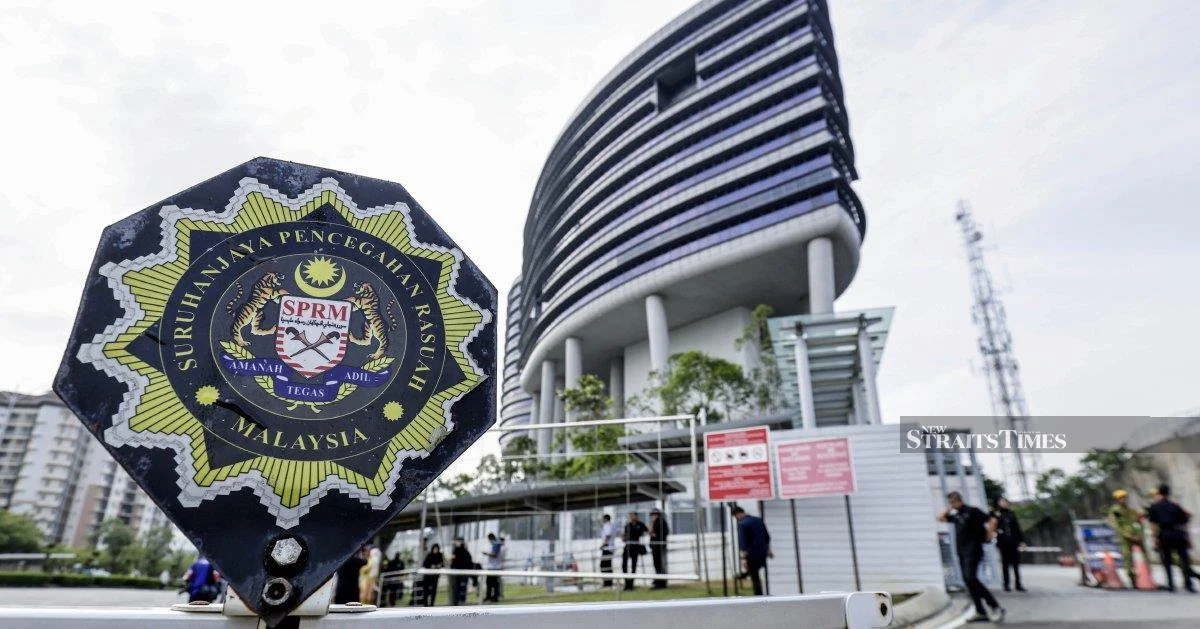
The Malaysian Anti-Corruption Commission (MACC) is broadening its investigation into the Daya Kerjaya 2.0 employment incentive scheme to examine systemic governance shortcomings, moving beyond individual misconduct to assess structural weaknesses that may have enabled fraudulent claims totalling approximately RM9 million.
The expansion of the inquiry signals a shift towards institutional accountability rather than purely personal culpability. The anti-corruption watchdog is now looking comprehensively at how the programme's administration, approval mechanisms, and oversight procedures functioned—or failed to function—when suspicious claims were being processed and paid out. This approach reflects international best practice in corruption investigations, where investigators seek to understand not just who committed fraud, but how organisational systems allowed it to occur.
Daya Kerjaya 2.0 represents a significant government employment support initiative designed to incentivise private companies to hire workers, particularly vulnerable groups facing labour market barriers. The scheme's fundamental purpose—connecting jobseekers with sustainable employment—makes governance failings particularly serious, as public resources meant for genuine workforce development were diverted through fraudulent channels instead.
The fraud allegations emerging from the programme underscore a persistent challenge in Malaysian public administration: ensuring that well-intentioned social and economic schemes have adequate control infrastructure from inception. When large subsidy or incentive programmes are rolled out rapidly, the pressure to demonstrate results can sometimes outpace the establishment of robust verification systems. MACC's investigation into procedural gaps will likely reveal whether supervisory layers, documentation standards, and claim verification processes were sufficiently stringent.
Governance weaknesses in such schemes typically manifest across several vulnerability points. Initial participant registration and eligibility verification represent the first critical checkpoint—if companies can misrepresent their circumstances or workers' backgrounds, fraudulent claims become possible from the outset. Payment approval processes present another risk area, where inadequate cross-checking between claimed activities and actual employment records creates opportunities for abuse. Record-keeping deficiencies further compound these issues, leaving auditors unable to trace fund movements or verify claims retrospectively.
For Malaysian policymakers and administrators overseeing similar employment or welfare programmes, this investigation carries immediate cautionary implications. The discovery of RM9 million in fraudulent claims within a single scheme suggests either a volume problem—systematic fraud across numerous false claimants—or significant individual cases involving substantial amounts. Either scenario points to fundamental control failures that other ministries managing comparable initiatives should examine within their own operations.
The MACC's focus on institutional weaknesses rather than isolated wrongdoing also carries political significance. It frames the issue as one of systemic improvement rather than scapegoating individual officials, though individual prosecutions will likely still follow. This institutional approach can facilitate necessary reforms without creating a defensive bureaucratic posture that resists scrutiny. Managers and officials who cooperate with identifying procedural gaps are more likely to support subsequent improvements.
Regional context matters here, as employment incentive schemes operate across Southeast Asia with varying regulatory maturity. Malaysia's experience with Daya Kerjaya 2.0 governance failings will offer lessons for neighbouring countries considering similar initiatives. Thailand's Board of Investment incentives, Indonesia's employment card programmes, and the Philippines' job creation schemes all operate within comparable administrative environments where procedural robustness can determine whether public resources reach intended beneficiaries.
The remedial phase of the MACC investigation will likely produce recommendations for enhanced controls that could apply broadly across Malaysian government employment programmes. These might include mandatory biometric verification of workers, real-time cross-checking with tax authority and employee provident fund records, structured audit trails for all approval stages, and regular independent audits of high-risk claims. Technology solutions—particularly integration with existing government data systems—could substantially reduce vulnerability to fraudulent claims.
For businesses participating legitimately in Daya Kerjaya 2.0 and similar schemes, governance improvements represent a double-edged development. Enhanced verification procedures and documentation requirements increase administrative burden and processing times, potentially discouraging some legitimate participation. However, stricter controls also protect honest companies from competition by fraudulent operators claiming inflated subsidies for ghost employees, ultimately creating a more level playing field.
The timing of this investigation is significant as Malaysia continues reassessing its fiscal framework and programme efficiency. With government resources increasingly constrained, demonstrating that major employment initiatives can maintain integrity becomes essential for political sustainability. A successful resolution that strengthens controls and recovers misappropriated funds would validate continued investment in such programmes, whereas unresolved or expanding fraud could undermine confidence in government-led employment initiatives generally.
Moving forward, the distinction between addressing individual fraud and fixing institutional governance will determine the investigation's real-world impact. Swift prosecutions of culpable parties generate headlines, but comprehensive procedural overhauls determine whether similar schemes can operate securely in future. The MACC's commitment to examining underlying weaknesses suggests recognition that lasting solutions require structural change, not merely accountability for existing violations.