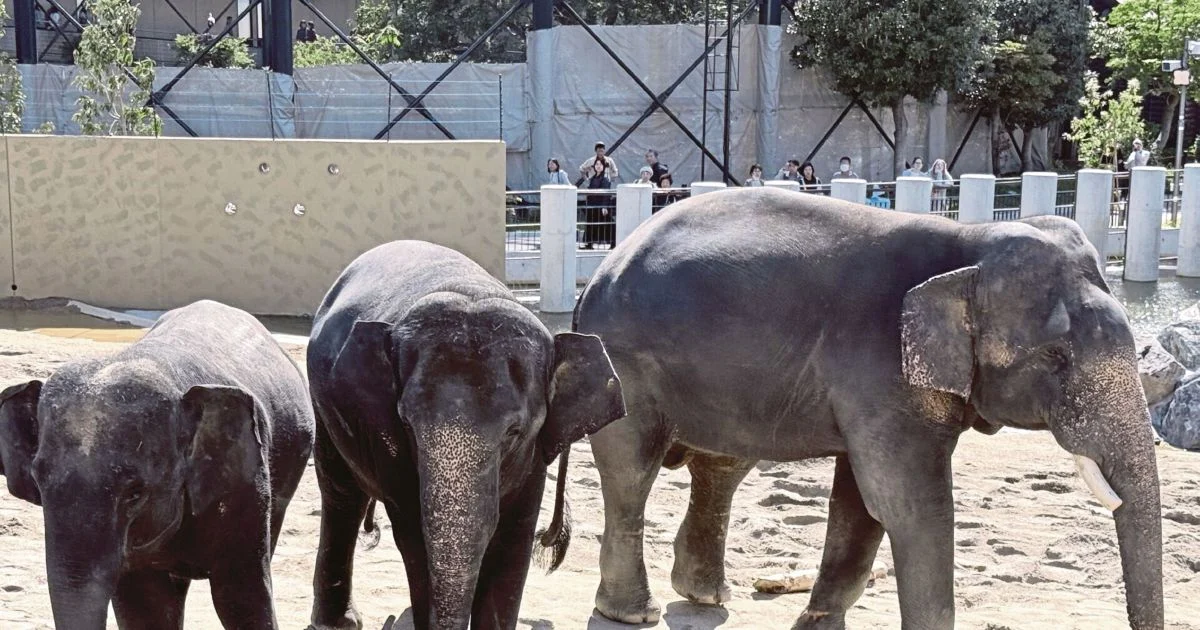
The Malaysian Anti-Corruption Commission has opened a formal investigation into the controversial relocation of three Asian elephants from Zoo Taiping to Tennoji Zoo in Osaka, Japan. The inquiry marks the first official scrutiny of the transfer arrangement, underscoring growing concerns about how such significant decisions involving national wildlife assets are made and whether proper procedures were observed.
Zoo Taiping, located in Perak state, has long been considered one of Malaysia's principal zoological institutions and houses notable collections of Southeast Asian fauna. The movement of three elephants represents a substantial loss from the facility's existing herd and has prompted wildlife authorities and conservation advocates to examine the circumstances surrounding the approval and execution of the transfer agreement with the Japanese facility.
The MACC's involvement signals that investigators are examining potential irregularities in the administrative and financial processes connected to the elephant relocation. Such inquiries typically focus on whether competitive bidding processes were followed, whether independent valuations were conducted, and whether all relevant permits and international wildlife trade documentation were properly obtained and justified under Malaysian law and international conservation agreements.
The transfer arrangement involves Tennoji Zoo, a prominent zoological facility in Osaka, which has maintained an elephant program for decades. The decision to send Malaysian elephants abroad requires authorization from multiple government agencies, including the Department of Wildlife and National Parks, the Ministry of Natural Resources, and potentially the Cabinet itself, depending on the perceived national importance of the animals involved.
For Malaysian readers, the investigation carries implications beyond simple wildlife management. Asian elephants are classified as endangered species under Malaysian law and international conventions, making their conservation and welfare a matter of public concern. Any transfer involving these protected animals demands transparent decision-making and public accountability, particularly when national zoo collections are affected and the creatures become ambassadors for Malaysian conservation efforts abroad.
The inquiry also occurs within a broader context of how Malaysia manages its biodiversity and international partnerships. Zoo exchanges and animal loans can serve legitimate conservation and educational purposes, facilitating genetic diversity programs, breeding research, and international cooperation on species preservation. However, these benefits must be weighed against the loss of wildlife resources and the separation of animals from their original institutional homes and familiar environments.
Stakeholders in Malaysia's conservation community have increasingly emphasized the importance of robust governance frameworks governing such transactions. The MACC investigation may establish precedents for how future wildlife transfers are vetted, ensuring that decisions reflect not merely administrative convenience or bilateral agreements, but genuine conservation merit and rigorous justification aligned with Malaysia's national interests and international obligations.
The transfer to Osaka also reflects Malaysia's role within broader Asian zoo networks and international wildlife diplomacy. Zoo partnerships can strengthen diplomatic ties and demonstrate commitment to global conservation initiatives, yet they require careful management to prevent the perception that national assets are being transferred without adequate oversight or public consultation.
For Zoo Taiping specifically, the investigation carries operational significance. The facility must maintain sufficient elephant populations to ensure viable social structures within its herds, as these are inherently social creatures with complex behavioral needs. Loss of animals must be balanced against the remaining group's welfare and the zoo's ability to continue educational and research programming.
The MACC's examination will likely encompass financial aspects of the arrangement, including whether Zoo Taiping received appropriate compensation or whether benefits flowed to private individuals rather than the institution or the government. Such investigations commonly uncover instances where facilities accepted less favorable terms than market conditions warranted, potentially indicating improper influence or inadequate financial oversight.
Conservation experts across Southeast Asia will monitor the MACC's findings closely. Malaysia's approach to this case may influence how neighboring countries structure their own wildlife management policies and international zoo partnerships. The investigation could establish important benchmarks for transparency and accountability in wildlife transactions involving publicly-funded institutions.
Looking forward, the inquiry may result in strengthened protocols for elephant transfers and other significant wildlife movements. Enhanced requirements might include public notification periods, independent environmental impact assessments, welfare evaluations, and explicit consideration of how transfers affect Malaysia's conservation objectives and institutional capabilities.
The MACC investigation underscores that governance of national biological resources demands the same rigorous scrutiny applied to other significant government transactions. As Malaysia positions itself as a regional leader in biodiversity conservation and sustainable development, ensuring transparent and accountable management of wildlife assets strengthens both institutional credibility and conservation outcomes for endangered species like the Asian elephant.