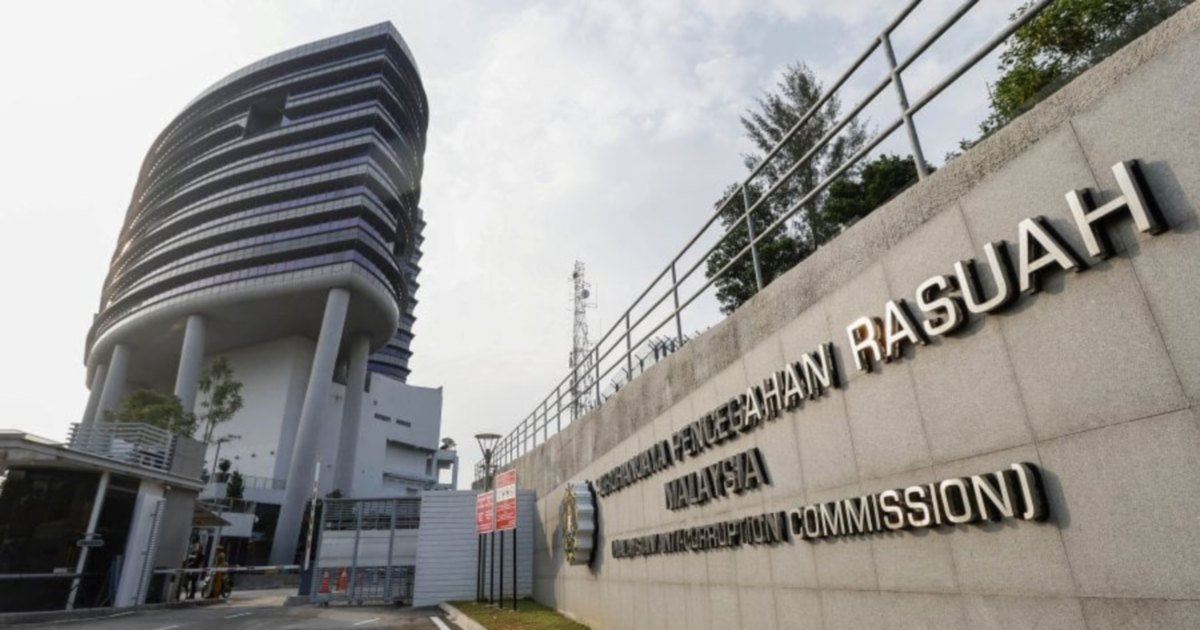
Malaysia's anti-corruption watchdog has initiated a formal inquiry into a substantial financial setback at the country's primary retirement fund, signalling heightened regulatory scrutiny over high-risk venture capital investments made with public pension money. The Malaysian Anti-Corruption Commission (MACC) conducted an on-site inspection at the Retirement Fund Inc (KWAP) headquarters in Kuala Lumpur this week as part of its examination into how the fund lost approximately RM200 million through its investment in eFishery, an Indonesian technology company focused on aquaculture and fisheries innovation.
The decision to investigate signals growing concern among authorities about investment governance and decision-making processes at one of Southeast Asia's largest pension management institutions. KWAP manages retirement savings for more than two million members across Malaysia's public sector, making it a custodian of critical financial resources for the nation's elderly workforce. The scale of the reported loss—RM200 million—represents a material sum that raises questions about due diligence protocols and risk assessment frameworks that should have been applied to such substantial allocations.
eFishery, the Indonesian fintech startup at the centre of the controversy, had positioned itself as a transformative platform for aquaculture sector modernisation across Southeast Asia. The company's business model focused on providing technology solutions and financial services to fish farmers and related businesses throughout the region. However, the venture appears to have encountered difficulties that resulted in the significant erosion of KWAP's investment value, prompting the pension fund to flag the matter for official investigation.
The MACC's involvement underscores the regulatory complexity surrounding pension fund investments in early-stage technology companies, particularly those operating in emerging Southeast Asian markets where institutional frameworks and financial oversight mechanisms remain developing. Malaysian authorities have become increasingly attentive to how state-backed and publicly-managed funds deploy capital in higher-risk asset classes, balancing the mandate to generate returns for retirees against the imperative to safeguard pension assets from speculative ventures.
For Malaysian pension beneficiaries, the investigation carries direct implications. Many of KWAP's two million members depend on stable fund performance to supplement their retirement income and healthcare costs. Large investment losses can erode the fund's capacity to meet benefit obligations and may necessitate adjusted contribution rates or modified benefit structures. The transparency of the investigation process will be crucial in maintaining public confidence in institutional pension management at a time when retirement security concerns are mounting across the region.
The incident also reflects broader challenges facing large institutional investors across Southeast Asia as they navigate the region's booming startup ecosystem. The appeal of technology-driven solutions in traditional sectors like aquaculture is substantial, given the industry's significance to food security and economic development throughout the region. However, investing in early-stage companies, particularly those in relatively nascent technological domains, carries heightened risk of capital loss—a reality that investment committees must carefully weigh against fiduciary obligations to members.
Indonesia's aquaculture sector represents one of the world's most dynamic and largest seafood production regions, making technology innovations in fish farming potentially valuable. eFishery's approach of digitising and financialising fisheries operations aligned with broader regional development priorities and investor appetite for impact-oriented ventures. Yet the company's apparent difficulties highlight how even strategically sound investment concepts can encounter operational, market, or execution challenges that undermine financial performance.
The MACC investigation will likely examine multiple dimensions of the investment decision-making process. Scrutiny will probably focus on how the initial investment thesis was developed, what due diligence procedures were implemented before capital deployment, which governance structures reviewed and approved the allocation, and how subsequent performance monitoring and risk management occurred. These procedural questions matter significantly because they determine whether the loss resulted from unforeseen market circumstances or from lapses in institutional oversight.
For the broader Malaysian investment community and pension fund industry, the investigation serves as a cautionary reminder about the importance of robust governance frameworks, particularly when deploying substantial capital into unfamiliar technological domains or nascent international ventures. Pension funds occupy a unique position as stewards of retirement savings for millions of workers, creating responsibilities that extend beyond conventional return maximisation toward preservation and prudent risk management.
The timing of the MACC inquiry also reflects Malaysia's commitment to strengthening institutional accountability mechanisms across public-sector financial entities. Enhanced scrutiny of investment decisions at major pension funds, development financial institutions, and sovereign wealth vehicles has become increasingly common globally as stakeholders demand greater transparency about how long-term capital is deployed and managed.
As the investigation unfolds, stakeholders including KWAP's membership, parliament, and financial regulators will be closely monitoring findings and recommendations. The outcome may influence how Malaysian pension funds approach venture capital allocations, international investments, and technology sector opportunities in the future. Beyond the immediate institutional implications, the case underscores the growing intersection between retirement security, development finance, and emerging market innovation—a nexus where Malaysia and other Southeast Asian nations must balance ambition with prudence.

