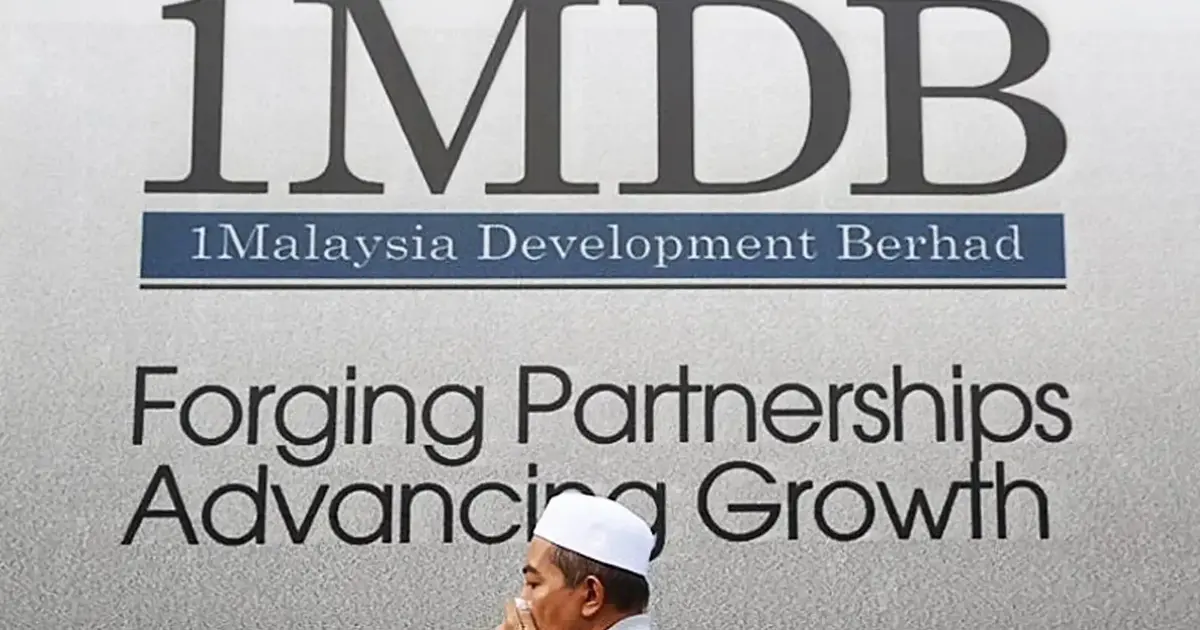
Malaysia's anti-corruption agency has launched a formal investigation into overseas properties valued at RM59 million that are purportedly connected to the 1Malaysia Development Berhad scandal, one of the world's largest financial fraud cases. The Malaysian Anti-Corruption Commission announced the probe following fresh allegations concerning luxury real estate holdings, with the agency's leadership signalling a determination to pursue asset recovery and hold individuals accountable for suspected financial crimes.
Abd Halim Aman, the chief of the MACC, stated that the investigation encompasses three primary areas of concern: potential corruption offences, money laundering activities, and the recovery of assets believed to have been illicitly obtained. The announcement reflects the ongoing efforts by Malaysian authorities to address the complex web of international transactions and hidden assets that remain entangled with the 1MDB affair, which has resulted in prosecutions and convictions across multiple jurisdictions.
The 1MDB case represents one of the most audacious financial crimes in recent history, involving the misappropriation of billions of ringgit from a state development fund. The scandal has extended far beyond Malaysia's borders, implicating international financial institutions, shell companies, and real estate investments across Asia, Europe, and North America. Property acquisitions have emerged as a particularly significant component of how suspected proceeds were obscured and laundered through the global financial system.
The identification of RM59 million in overseas properties underscores how sophisticated networks were deployed to hide assets from regulatory scrutiny. Luxury real estate, particularly in major financial centres and prestige markets, has long served as an attractive vehicle for concealing the origins of illicit funds. By acquiring high-value properties through multiple intermediaries and shell entities, those involved in the scheme created layers of separation between the original source of the money and the final beneficial owners.
Malaysia's renewed focus on asset recovery represents a critical dimension of the justice process. While criminal convictions have been secured in various cases related to 1MDB, the challenge of tracing and reclaiming assets scattered across international jurisdictions remains formidable. The MACC's investigation suggests that Malaysian authorities are intensifying their coordination with overseas counterparts and developing more sophisticated investigative capabilities to identify concealed holdings.
The probe carries significant implications for Malaysia's international standing and its commitment to combating financial crime. Following the 1MDB debacle, the country faced reputational damage and scrutiny from international financial regulators and anti-money laundering bodies. By demonstrating active pursuit of remaining suspects and assets, Malaysian authorities signal seriousness in dismantling the infrastructure that enabled such large-scale fraud to occur unchecked for so long.
For Malaysian citizens and businesses, the investigation serves as a reminder of how corruption at the highest levels can distort economic fundamentals and undermine confidence in public institutions. The resources that were diverted through 1MDB represented funds that could have been deployed for genuine development purposes, infrastructure improvements, and public welfare programmes. The ongoing investigation attempts to recover at least portions of what was lost.
International cooperation remains essential to the success of such probes. Property investigations frequently require engagement with foreign regulatory authorities, real estate registries, tax authorities, and financial institutions. The MACC must coordinate with counterparts in multiple countries to establish clear chains of title, identify beneficial owners, and demonstrate the illicit origins of the funds used to purchase these assets. Such cooperation has improved considerably since the scandal first erupted, with many countries establishing task forces and information-sharing mechanisms.
The properties in question likely span multiple countries based on patterns observed in previous 1MDB-related investigations. Luxury real estate in cities such as London, Los Angeles, and other major metropolitan areas has been identified in earlier phases of asset recovery efforts. The current investigation may involve examining ownership structures in jurisdictions known for providing privacy protections, such as certain territories in the Pacific or Caribbean regions.
The announcement also reflects evolving capabilities within Malaysian law enforcement and regulatory agencies. The MACC has substantially expanded its international networks and technical expertise since the 1MDB scandal first came to light. Enhanced training, investment in financial forensics capabilities, and deepened relationships with foreign agencies have equipped Malaysian investigators to pursue complex cross-border cases more effectively than was possible a decade ago.
For the business community and foreign investors, these developments underscore Malaysia's determination to enforce anti-corruption standards and asset recovery laws rigorously. While the country works to rebuild its reputation as a transparent and well-regulated financial centre, aggressive prosecution of financial crimes and recovery of stolen assets form critical pillars of that rehabilitation effort.
The investigation's progression will likely unfold over an extended timeframe, given the complexity of international property transactions and the need to secure cooperation from foreign authorities. Each recovered asset, however, represents both a partial restoration of misappropriated public funds and a demonstration of the consequences that individuals must face for involvement in large-scale financial fraud. As the MACC pursues these leads, Malaysian authorities continue the laborious work of dismantling the remaining structures that enabled the 1MDB scheme to operate with relative impunity.

