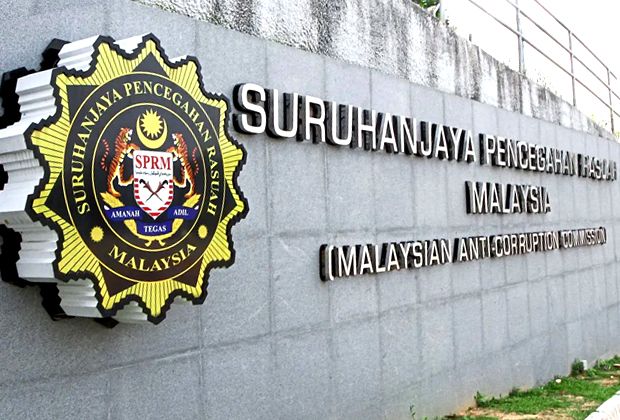
The Malaysian Anti-Corruption Commission has lifted legal restrictions on the bank accounts of Rohas Tecnic Bhd's power transmission and telecommunications tower manufacturing subsidiary, clearing the way for the company to restart normal financial operations. The revocation orders, formally issued by the Deputy Public Prosecutor under anti-money laundering legislation, have been extended to cover both corporate and personal accounts belonging to current and former officers of the subsidiary, HGPT.
Rohas Tecnic disclosed the development through a regulatory filing with Bursa Malaysia, signalling the resolution of a compliance matter that had constrained the company's operational flexibility for several weeks. The lifting of these restrictions represents a significant milestone for the listed entity, which had faced uncertainty following the initial seizure actions initiated by the anti-corruption authority in mid-October. The company confirmed that all previously frozen accounts have now been released, permitting unrestricted access to banking facilities and resumption of full business activities without further regulatory impediment.
The seizure orders had been imposed under the Anti-Money Laundering, Anti-Terrorism Financing and Proceeds of Unlawful Activities Act 2001 (AMLA), a piece of legislation that provides authorities with broad powers to freeze assets during investigations into suspected financial misconduct. These orders were technically distinct between the various corporate entities involved; Rohas Tecnic and HGPT had received freezing and seizure orders pursuant to Section 44(1) and Section 50(1) of AMLA, while the related company Rohas-Euco Industries Bhd (REI) had operated under a separate procedural framework.
The timeline of events reveals a relatively swift resolution of the underlying legal matters. The initial freezing orders were announced publicly on October 17, 2025, creating uncertainty around the company's financial position and operational capacity. This initial action would have had immediate practical implications for cash management, supplier payments, and employee compensation, matters critical to maintaining continuity in capital-intensive manufacturing operations. The subsequent revocation process unfolded across late November, with REI receiving its relief order on November 25, 2025, followed by the formal revocation for Rohas Tecnic and HGPT the next day.
The distinction between the revocation orders is technically significant from a legal standpoint. Whereas REI's account restrictions were lifted through MACC action under Section 44A of AMLA, the primary corporate entities' accounts were released by the Deputy Public Prosecutor under Section 50(1) of AMLA, suggesting potentially different evidentiary standards or investigation pathways had been satisfied. These procedural nuances, while arcane, indicate that the prosecutorial authorities had determined that the legal grounds for maintaining the asset freeze had been substantially undermined or resolved.
For Malaysian investors and stakeholders in the manufacturing sector, the revocation carries implications beyond the immediate circumstances of Rohas Tecnic itself. The company operates within the infrastructure supply chain, providing essential components for telecommunications and power transmission networks that underpin Malaysia's digital and energy development. Prolonged asset freezes on such suppliers can cascade through supply chains, affecting project timelines and contract performance across the sector. The resolution therefore restores continuity to a strategically important industrial player.
The incident also underscores the profound operational impact that anti-corruption investigations can exert on private companies, even when ultimate legal findings favour the subjects of investigation. The approximately six-week period during which accounts were frozen would have necessitated extraordinary administrative workarounds, potential liquidity management challenges, and reputational considerations in commercial relationships. For listed companies particularly, such enforcement actions generate mandatory disclosure obligations that can affect investor sentiment independent of actual wrongdoing determinations.
Rohas Tecnic's ability to communicate the revocation through formal Bursa Malaysia filings demonstrates the transparency mechanisms built into Malaysia's securities regulation, ensuring that material developments affecting listed entities reach the investment community in timely fashion. This disclosure practice, while occasionally burdensome for companies navigating investigations, provides market participants with essential information for assessing financial and operational risk. The filing itself serves as a public record that the legal cloud has been dispelled.
The lifting of these orders may also have implications for the company's strategic planning and capital allocation decisions. During the period of account restrictions, management would have been constrained in executing business expansion, debt servicing, dividend distributions, or other financial commitments requiring bank account access. With normal banking operations restored, the company can now reassess strategic initiatives that may have been deferred or complicated by the temporary restrictions. This restoration of financial flexibility could support renewed business momentum in quarters ahead.
Moving forward, the resolution provides Rohas Tecnic with an opportunity to rebuild market confidence and address any reputational questions that may have emerged during the investigation period. Public companies facing anti-corruption scrutiny, even when ultimately exonerated, often invest in enhanced compliance frameworks and governance disclosures to reassure stakeholders of their commitment to integrity. The company may choose to elaborate on the circumstances that prompted the initial investigation and the measures undertaken to address them, though no such announcements have been forthcoming to date.
The incident also reflects the ongoing evolution of Malaysia's anti-money laundering enforcement landscape, where MACC and prosecutorial authorities continue to expand their investigative and asset-freezing capabilities. For the broader business community, the episode serves as a reminder of the potential exposure to regulatory action and the importance of robust internal controls, transaction documentation, and compliance officer engagement. Companies operating in sectors prone to investigation, or those with significant cross-border financial flows, may find themselves subject to heightened scrutiny regardless of their actual compliance posture.
Ultimately, the revocation of seizure orders on Rohas Tecnic's accounts marks the conclusion of a discrete chapter in the company's operational history, albeit one that likely prompted considerable management attention and resource allocation toward legal and compliance matters. The resolution enables the manufacturer to refocus on its core business of supplying critical infrastructure components to Malaysia's telecommunications and power sectors, activities essential to the nation's continued economic and technological development. For investors in the company's securities, the lifting of regulatory constraints removes a significant source of operational uncertainty.

