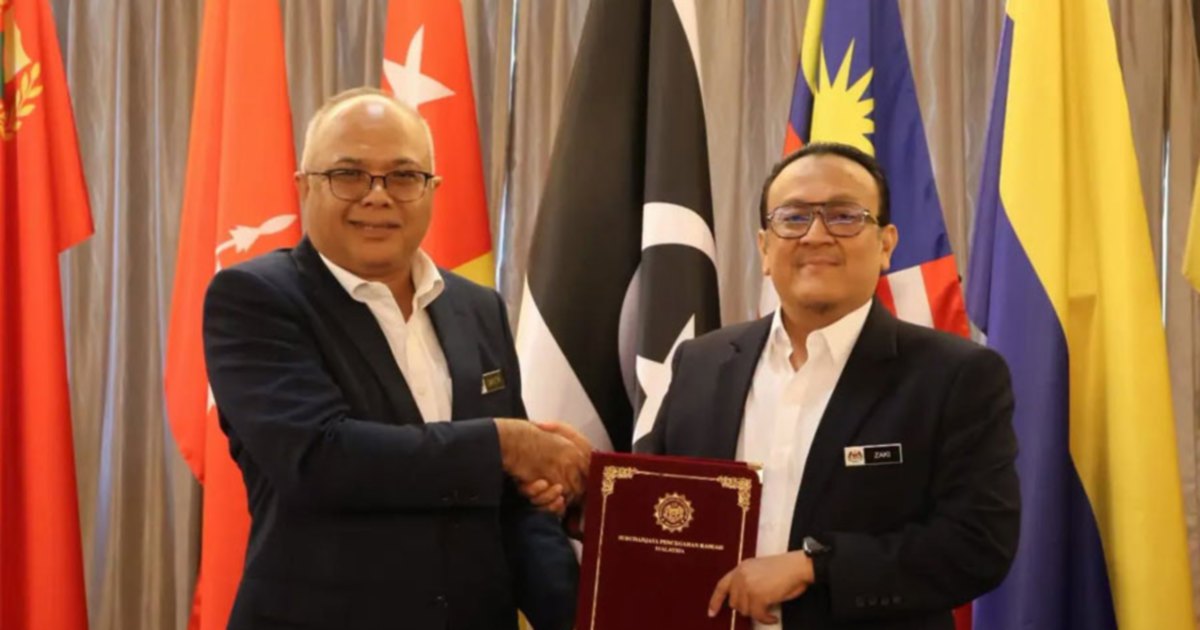
The Malaysian Anti-Corruption Commission has unveiled a comprehensive set of governance recommendations designed to bolster the integrity and efficiency of the Cooking Oil Price Stabilisation Scheme, signalling mounting concern about vulnerabilities within one of Malaysia's most visible consumer support programmes. Speaking from Putrajaya, the anti-graft watchdog articulated the need for reinforced systemic controls to curtail the leakage of subsidised cooking oil and ensure the benefits reach intended recipients rather than being siphoned through illicit channels.
Cooking oil subsidies remain politically sensitive in Malaysia, where palm oil is a cornerstone commodity affecting household budgets across urban and rural populations alike. The scheme, which caps retail prices for palm olein and soybean oil, has historically faced operational challenges including black-market diversion, smuggling into neighbouring countries, and the risk of subsidy capture by unscrupulous traders. These systemic weaknesses have prompted the MACC to conduct a detailed review of existing administrative frameworks, identifying critical junctures where enhanced governance could yield measurable improvements.
The MACC's six-point reform package addresses several layers of oversight. The proposals encompass tighter verification mechanisms for oil distributors and retailers, suggesting that current credential-checking processes may lack sufficient depth or frequency. By implementing more stringent vetting protocols, the commission argues that authorities can reduce the likelihood of fraudulent actors exploiting the subsidy mechanism. This reflects a recognition that administrative bottlenecks and human oversight gaps have historically enabled abuse within the scheme's supply chain.
A second dimension of the recommendations centres on real-time tracking and data transparency. Enhanced digital monitoring systems would allow authorities to detect anomalies in purchasing patterns, inventory levels, and cross-border movements more rapidly than existing manual or paper-based systems. For a country where technology infrastructure has advanced considerably, the apparent reliance on outdated tracking methods represents an efficiency and anti-fraud liability that modern governance can address through integrated databases accessible to relevant agencies.
The third strand involves clearer accountability lines among the various entities administering the scheme, including the Finance Ministry, domestic industries agencies, and port authorities. Fragmented responsibility often creates gaps where accountability diffuses and oversight weakens. Consolidating decision-making authority and establishing unambiguous reporting hierarchies would clarify who bears responsibility for subsidy delivery and enable faster corrective action when anomalies emerge.
The proposed reforms also address supply-chain transparency by requiring more detailed documentation of oil origins, processing, distribution routes, and final retail points. Currently, the opacity of these pathways creates opportunities for diversion and fraud. Mandating comprehensive paper and digital trails would help investigators reconstruct suspicious transactions and deter actors contemplating scheme exploitation. This transparency drive resonates with international best practices in commodity subsidy administration, particularly in oil-rich developing nations where such schemes exist.
A fifth component focuses on enhanced penalties and enforcement mechanisms against violators. If existing consequences for scheme abuse are perceived as insufficiently severe, incentives for non-compliance persist. The MACC's recommendations likely contemplate elevated sanctions, swifter prosecution pathways, and asset-freezing measures that make violation demonstrably costly. Visible enforcement against high-profile offenders would generate deterrent effects across the distribution network.
The sixth proposal presumably addresses coordination between federal and state authorities, as implementation of the cooking oil subsidy involves multiple administrative levels. Inconsistent application of controls across states creates geographical arbitrage opportunities. Harmonised standards, regular inter-agency audits, and unified reporting mechanisms would reduce the fragmentation that currently allows savvy violators to exploit jurisdictional seams.
For Malaysian consumers and policymakers, these recommendations carry substantial implications. Cooking oil subsidies are extraordinarily expensive items in the federal budget, consuming billions of ringgit annually in foregone revenue and direct expenditures. Leakage means that actual subsidy benefits to consumers are lower than the programme's nominal cost, representing a form of hidden taxation through inflation. By tightening governance, Malaysia could either reduce subsidy expenses while maintaining price controls, or maintain current expenditures while delivering more generous effective assistance to households.
The timing of these proposals reflects broader regional trends. Neighbouring countries including Indonesia and Thailand have faced similar subsidy leakage problems, prompting policy experimentation with targeting, digital monitoring, and privatisation. Malaysia's willingness to engage the anti-corruption apparatus in subsidy reform suggests acknowledgement that technical fixes alone are insufficient—governance culture and institutional integrity matter fundamentally.
Implementing these recommendations will require sustained political will and inter-agency cooperation. The MACC's proposals represent a diagnostic intervention that identifies pathways toward improvement, but success depends on execution by multiple ministries and operational agencies. Civil society and media scrutiny can amplify pressure for genuine implementation rather than symbolic compliance.
Ultimately, the anti-corruption watchdog's intervention underscores that subsidy programmes, however well-intentioned, create structural incentives for abuse unless buttressed by robust governance infrastructure. For a government committed to fiscal discipline and anti-corruption, the MACC's recommendations offer a pragmatic roadmap to preserve consumer protections while enhancing resource efficiency and institutional integrity.

