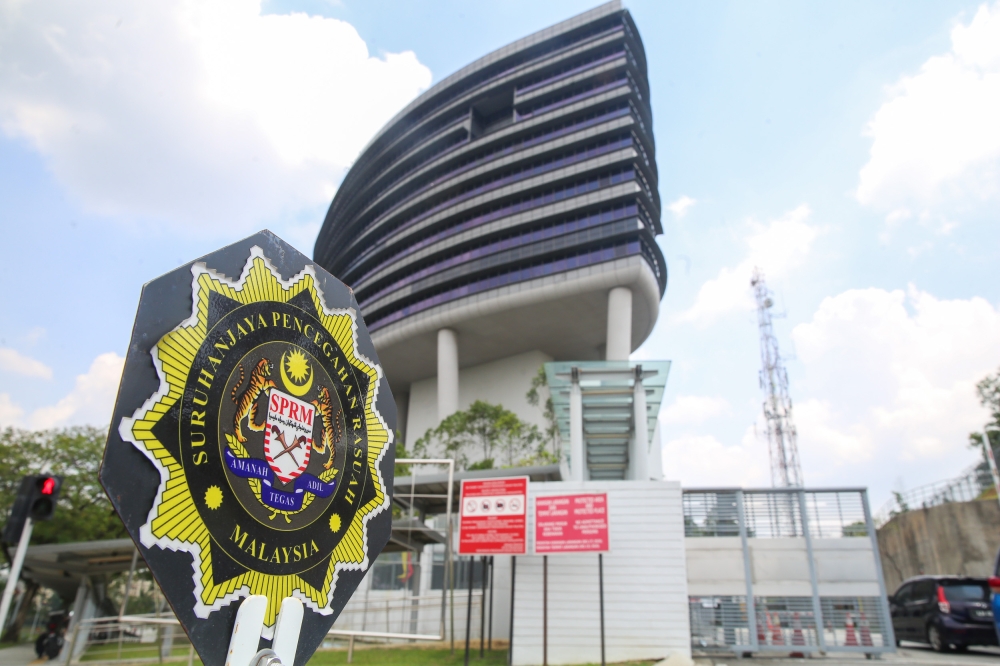
The Malaysian Anti-Corruption Commission has intensified its campaign to embed whistleblower protection mechanisms across government ministries, positioning the initiative as crucial to Malaysia's ambitions of climbing higher on the Corruption Perceptions Index. Senior MACC officials have directly appealed to secretaries-general—the highest-ranking civil servants in each ministry—to institutionalise safeguards that shield those reporting corruption from retaliation, thereby creating a culture of accountability and transparency within the public sector.
This strategic push reflects a broader international trend where countries seeking to improve their CPI rankings recognise that effective whistleblower frameworks serve as foundational pillars of anti-corruption architecture. The Corruption Perceptions Index, compiled annually by Transparency International, measures how governments and institutions are perceived in terms of corruption. Malaysia's positioning on this index directly influences investor confidence, trade relationships, and the nation's reputation on the global stage. By strengthening whistleblower protections, Malaysia signals to the international community a genuine commitment to confronting corruption rather than merely managing its appearance.
Whistleblower protections operate as a critical early-warning system within government. When civil servants, procurement officers, and other public sector employees feel secure enough to report misconduct without fear of dismissal, demotion, or social ostracism, corrupt practices can be detected and halted before they metastasise throughout institutions. The MACC's emphasis on ministry-level implementation recognises that abstract legislative protections mean little without concrete operational frameworks. Each ministry must develop specific procedures for receiving complaints, investigating allegations confidentially, and ensuring that those who come forward face no negative consequences to their employment or career progression.
The timing of MACC's initiative is particularly significant given Malaysia's development trajectory. As the nation aspires to reach high-income status and compete for advanced manufacturing and technology investments, multinational corporations and institutional investors conduct thorough due diligence on governance standards. A higher CPI ranking removes a psychological barrier that has historically deterred some foreign investors who regard corruption risk as a material business concern. Beyond investment, a cleaner anti-corruption record enhances Malaysia's soft power in regional forums and strengthens its negotiating position in international agreements.
Implementing robust whistleblower protections at ministry level requires more than policy directives from Putrajaya. It demands cultural transformation within civil service institutions that have sometimes viewed internal dissent as disloyalty. Ministry secretaries-general must champion a mindset shift where reporting corruption is recognised as a professional obligation rather than an act of treachery against colleagues. This involves training management, establishing clear channels for anonymous reporting, and creating audit trails that document how complaints are handled. Without such institutional infrastructure, even the most well-intentioned whistleblower protection laws remain theoretical exercises.
Malaysia's experience with previous anti-corruption campaigns illustrates that sustained institutional commitment proves more effective than headline-grabbing enforcement actions. The MACC itself has demonstrated capacity for high-profile investigations and prosecutions, yet the agency's own research suggests that corruption prevention—which whistleblower systems facilitate—yields better long-term outcomes than reactive punishment. When potential offenders know that internal checks and external reporting mechanisms create genuine consequences for misconduct, they calculate differently before engaging in corrupt practices.
Regionally, Malaysia competes with Singapore, Brunei, and increasingly Vietnam for the mantle of a well-governed economy. Singapore's consistently strong CPI performance reflects not merely strict laws but deeply embedded institutional cultures where whistleblowing carries less social stigma and retaliation carries harsher penalties. By elevating whistleblower protections to a priority concern, MACC positions Malaysia to gradually close this governance gap. The move also aligns with international best practices established through the United Nations Convention Against Corruption, to which Malaysia is a signatory.
The practical challenges of implementation should not be underestimated. Civil servants who report misconduct may face subtle retaliation difficult to prove—exclusion from promotion lists, assignment to undesirable postings, or social isolation from colleagues. Ministry-level frameworks must include oversight mechanisms that monitor for such indirect consequences and empower whistleblowers to appeal adverse decisions. Independent bodies, potentially including MACC itself, may need to conduct periodic audits of how ministries handle complaints, ensuring that formal policies translate into genuine protection.
Economically, corruption acts as a hidden tax on Malaysia's development. When procurement processes are compromised, resources flow to inefficient providers rather than those offering best value. When infrastructure projects face corrupt cost inflation, public works deliver inferior services. When talented civil servants witness corrupt officials advancing faster than honest performers, institutional capability deteriorates through brain drain. Whistleblower systems represent relatively low-cost investments that address these systemic inefficiencies by catching corrupt schemes early and deterring corrupt individuals from entering public service.
For Malaysian companies and citizens, stronger whistleblower protections also carry direct benefits. Healthier government institutions mean more reliable contract enforcement, fairer business licensing processes, and reduced necessity for informal payments to access public services. Small and medium enterprises particularly benefit from reduced corruption, as larger corporations often have resources to navigate corrupt systems while SMEs lack such capacity. By reducing corruption, whistleblower systems effectively level the business playing field and encourage entrepreneurship based on merit rather than connections.
Looking forward, the MACC's initiative signals that Malaysia's anti-corruption strategy is maturing beyond centralised commission enforcement toward distributed prevention. By empowering ministry-level implementation, the strategy recognises that lasting change requires ownership at every institutional level. Secretaries-general who embrace whistleblower protection mechanisms are investing in their institutions' long-term health and the nation's competitive positioning. As other Southeast Asian nations similarly strengthen governance frameworks, Malaysia's responsiveness to this challenge will significantly shape the region's anti-corruption landscape in the coming decade.

