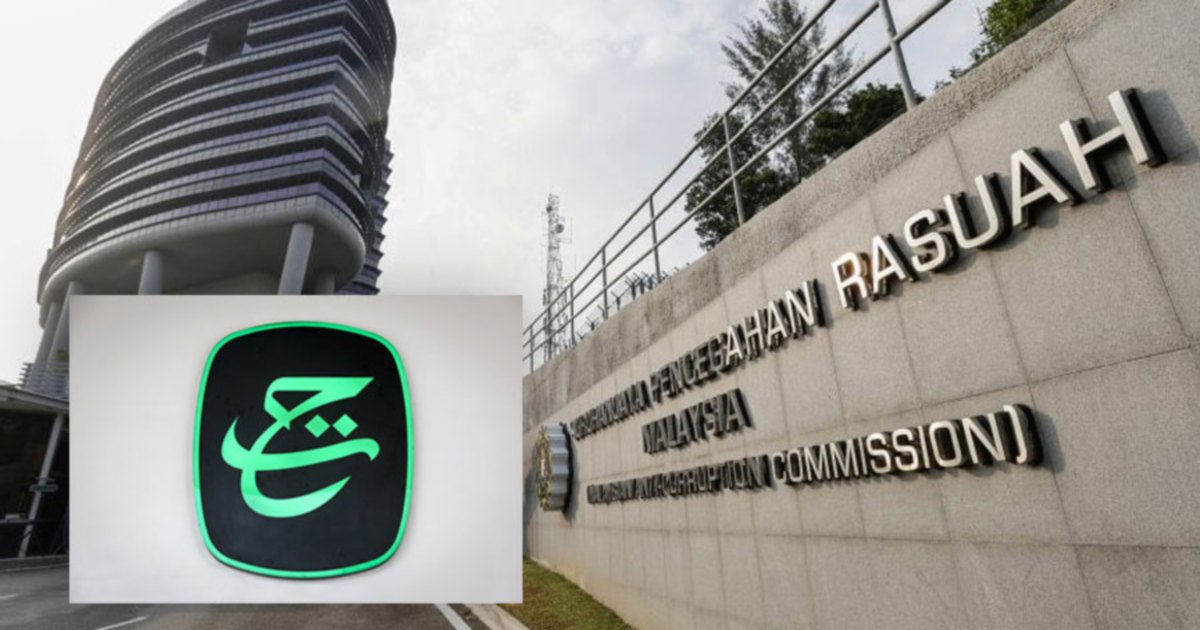
The Malaysian Anti-Corruption Commission is preparing to summon a former chief executive officer of Tabung Haji for questioning, sources indicate, as the anti-graft agency moves to investigate matters arising from a recent Royal Commission of Inquiry report into the pilgrim savings fund's governance and operations. The former executive has emerged as a focus of MACC's attention following the RCI's examination of management practices and financial handling at the institution over recent years.
Tabung Haji, Malaysia's pilgrimage fund established to help Muslims save for the Hajj journey to Mecca, has faced considerable public scrutiny in recent times over concerns regarding fund management and investment decisions. The RCI's investigation represented a formal attempt to examine the institution's operations comprehensively and establish whether any irregularities or misconduct occurred in how the fund managed subscriber monies and pursued investment strategies. The findings from this inquiry have now sparked the MACC's determination to pursue its own examination into potential breaches of anti-corruption laws.
The involvement of Malaysia's premier anti-corruption body signals that the RCI's investigation uncovered matters serious enough to warrant criminal investigation rather than mere administrative review. The MACC typically becomes involved when evidence suggests potential corruption, abuse of authority, or misconduct by public sector officials or those managing state-linked institutions. Tabung Haji, while managing private subscriber funds, operates under government oversight and falls within the MACC's investigative purview when governance concerns arise.
The timing of this move underscores growing public concern about accountability within Malaysia's major financial institutions. Over the past several years, scrutiny of Tabung Haji's investment portfolio, including its exposure to declining asset classes and questionable ventures, has intensified. Subscribers and their families have expressed anxiety about whether their savings remain secure and whether institutional leadership exercised appropriate stewardship of these funds. The RCI was tasked specifically with examining whether past management decisions reflected proper governance standards.
For Malaysian pilgrims who have entrusted their savings to Tabung Haji, this development carries significant implications. The fund manages billions of ringgit contributed by millions of Muslim Malaysians planning to fulfill their religious obligation to perform the Hajj. Any mismanagement or corrupt practices at leadership levels would have direct consequences for ordinary subscribers whose retirement and pilgrimage savings depend on prudent institutional management. The MACC's investigation therefore addresses not merely technical breaches but matters affecting the financial security of ordinary Malaysian families.
The prospect of questioning former leadership reflects a pattern increasingly evident in Malaysian governance: heightened scrutiny of state-linked institutions and their senior officials. In recent years, several prominent figures heading major government-linked companies and funds have faced investigation or legal action following concerns about their stewardship. This demonstrates both greater institutional capacity within agencies like the MACC to pursue complex cases and growing political will to hold senior executives accountable for their decisions and conduct.
The RCI's conclusions evidently provided the foundation necessary for the MACC to move forward with its investigation. Royal Commissions of Inquiry possess significant investigative powers and access to institutional records that enable them to establish preliminary findings about whether misconduct occurred. When an RCI concludes that further investigation appears warranted, referring matters to the MACC ensures that potential criminal dimensions receive proper examination by law enforcement authorities with expertise in corruption investigations.
This development also highlights the importance of institutional transparency and accountability mechanisms within Southeast Asia's financial system. Malaysia, as a major regional player with substantial institutional assets and a large number of retail investors depending on fund management, must maintain rigorous standards for governance. The public attention directed toward institutions like Tabung Haji, and the consequent investigation by enforcement agencies, reinforces that significant wealth managed on behalf of ordinary citizens will face scrutiny when irregularities emerge.
The MACC's investigation will likely extend beyond questioning the former chief executive to examining records, decision-making processes, and advice provided to the board during periods when potentially problematic decisions were made. The agency may seek to establish whether any individual acted with corrupt intent, exceeded their authority, or deliberately misled stakeholders about fund performance and investment strategies. Such investigations typically require examination of extensive documentation and testimony from multiple individuals involved in governance decisions.
For Tabung Haji subscribers and prospective pilgrims awaiting clarification about their fund's stability and future direction, the MACC investigation represents a necessary step toward accountability. However, the process itself will likely extend over several months as investigators compile evidence and conduct interviews. The institution's leadership and the government will face continuing pressure to provide reassurance that subscriber interests are being protected and that governance standards have been reinforced following the RCI's findings.

