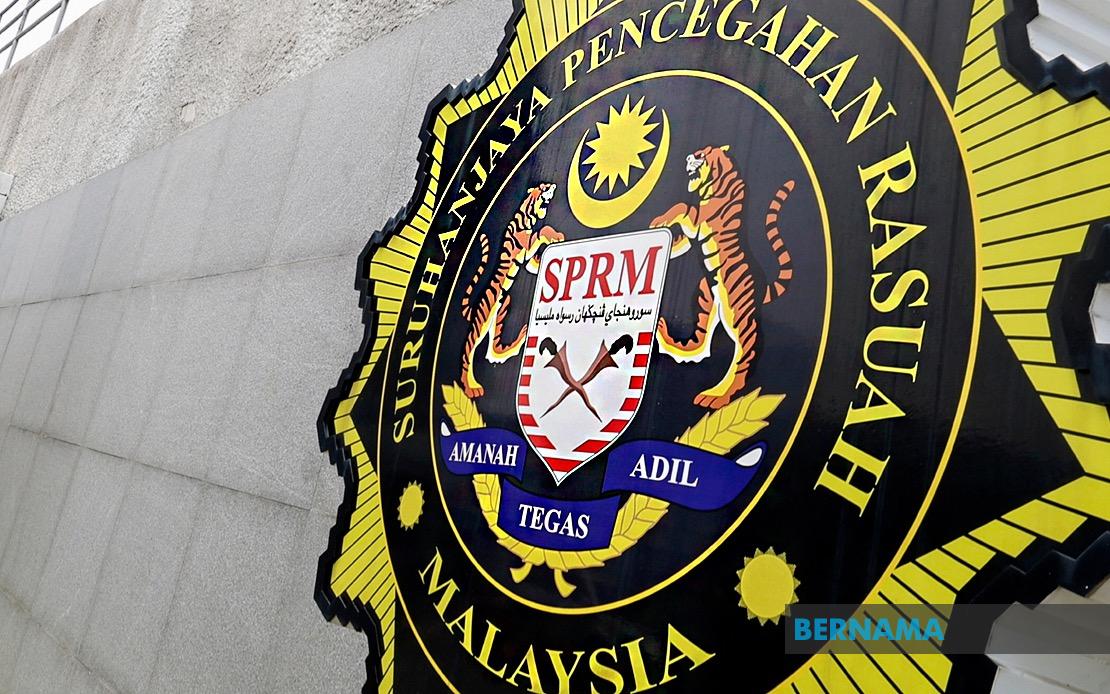
The Malaysian Anti-Corruption Commission (MACC) is ramping up its oversight machinery ahead of the Johor state election, announcing the establishment of five dedicated operations rooms designed to field complaints and information from the public regarding electoral misconduct. These facilities will serve as front-line collection points for allegations of corruption and abuse of power as candidates and parties campaign across the state over the coming weeks.
The operations rooms will maintain round-the-clock availability beginning on nomination day, June 27, and continuing through polling day on July 11. This 24-hour operational tempo reflects MACC's commitment to maintaining vigilance throughout the entire election cycle, from the moment candidates officially register their candidacy through to the final votes being cast. The extended hours acknowledge that electoral misconduct can occur at any time, and potential witnesses or victims may have varying schedules that prevent them from reporting during normal business hours.
The five locations selected for these operations rooms provide geographic coverage across Johor's major population centres and regions. The primary facility will be housed at the MACC Johor office in Tampoi, serving as the command centre for coordination efforts. Additionally, branch offices in Batu Pahat, Kluang, Segamat, and Mersing will operate as satellite reception points, ensuring that residents across the state have reasonably accessible channels for lodging complaints regardless of their location. This distribution strategy recognises Johor's size and the varying travel distances residents face when attempting to reach government offices.
Beyond the physical operations rooms, MACC has established a dedicated email channel through which members of the public can submit complaints and information. The email address [email protected] provides an alternative avenue for those who prefer digital communication or may lack convenient access to the physical facilities. This dual-channel approach—combining in-person reception with electronic submission—reflects modern best practices in complaint management and demonstrates MACC's effort to remove barriers to reporting.
The commission has underscored its commitment to rigorous investigation and impartial handling of all information received. Every complaint lodged through either channel will be subjected to professional scrutiny and investigated with transparency, adhering strictly to the legal framework governing MACC's operations. This assurance is significant for potential complainants who may harbour concerns about whether reports will be taken seriously or subjected to political pressure, particularly in a charged election environment where stakes are high and partisan tensions run elevated.
MACC has issued a clear warning to all election participants regarding their legal obligations. Both individual candidates and the political parties fielding them have been reminded that they must scrupulously avoid engaging in unlawful conduct. The commission specifically highlighted the provisions of the MACC Act 2009, which establishes the framework for combating corruption in the public and private sectors, as well as the Election Offences Act 1954 (Amendment 2012), which contains specific prohibitions tailored to electoral conduct. This dual-statute reference signals that MACC is prepared to prosecute violations under either regime depending on the nature of the misconduct alleged.
The election framework itself, as established by the Election Commission, provides the temporal boundaries within which MACC's operations rooms will function. The nomination process on June 27 marks the official commencement of the campaign period, with early voting permitted on July 7 for those unable to vote on the main election day of July 11. MACC's decision to activate its operations rooms precisely on nomination day signals that the commission views the entire period from candidate registration onwards as requiring elevated vigilance against electoral impropriety.
For Malaysian observers, this mobilisation by MACC represents an institutional response to the heightened corruption risks that accompany elections. Electoral contests create environments where resources flow, promises are made, and opportunities arise for those inclined toward misconduct. The concentration of MACC resources in Johor reflects the scale and significance of this particular election, which will determine the composition of the Johor state assembly and the party controlling the state government—positions carrying substantial influence over resource allocation and contract awards in Southeast Asia's second-largest state economy.
The establishment of these operations rooms also sends a message about MACC's independence and its willingness to investigate all candidates and parties evenhandedly. In plural electoral systems, credible anti-corruption oversight requires visible commitment to impartial enforcement rather than selective targeting. By pre-announcing these facilities and inviting complaints from all quarters, MACC is positioning itself to respond to alleged violations by any contestant, thereby supporting broader confidence in electoral integrity and the legitimacy of eventual outcomes.
Regionally, this institutional approach by Malaysia carries implications for how other Southeast Asian democracies manage electoral integrity. The pre-election activation of dedicated complaint mechanisms reflects an institutionalised approach to election monitoring that goes beyond election day itself. As neighbours grapple with how to strengthen electoral governance while managing corruption pressures, Malaysia's model of establishing temporary but formal channels for public input offers one potential template, though its effectiveness will ultimately depend on how thoroughly MACC investigates received complaints and whether prosecutions follow when warranted.

