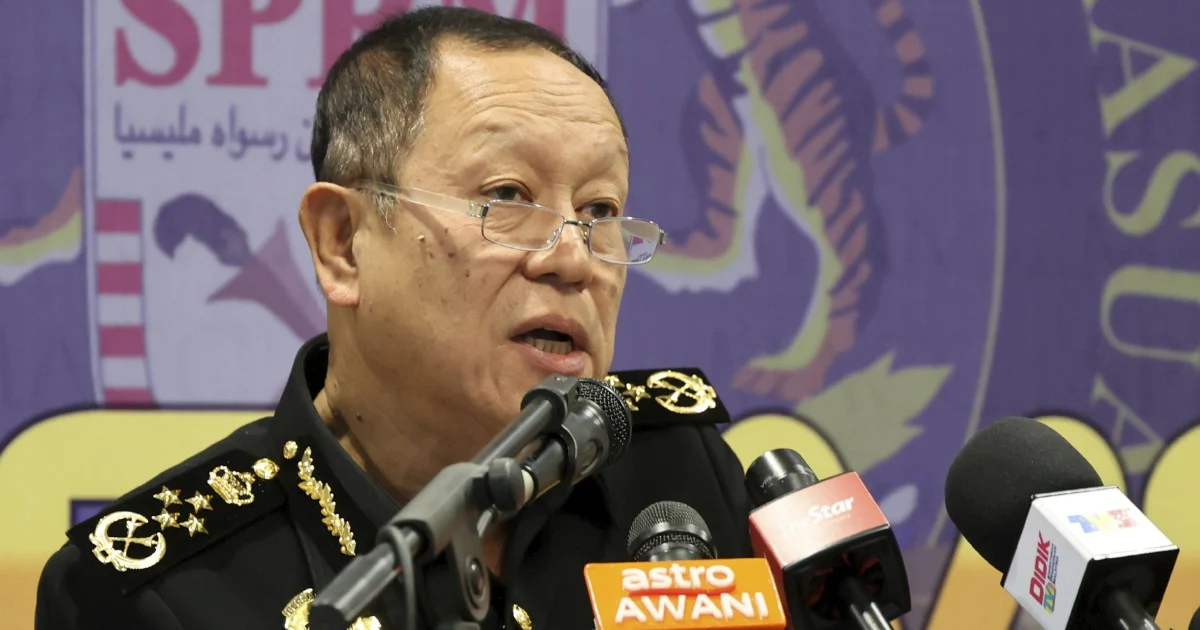
The Malaysian Anti-Corruption Commission has widened its ongoing investigation into 1MDB to encompass the acquisition of a luxury property in the United States, signalling a fresh phase in the sprawling financial scandal that continues to yield new lines of inquiry years after initial charges were filed. Multiple individuals are expected to be summoned for questioning, notably the wife of a former prime minister, as authorities attempt to establish whether the high-value real estate purchase was underwritten by misappropriated funds from the troubled sovereign wealth fund.
The extension of the probe into foreign property acquisitions reflects the global nature of the 1MDB scandal, which has involved tracing suspicious capital flows across multiple jurisdictions and identifying the shell companies, intermediaries, and personal associates who facilitated the movement of allegedly stolen money. The United States property in question represents just one of several high-profile asset purchases believed to have been financed through the misuse of 1MDB funds, many of which have become exhibits in multiple international investigations and legal proceedings.
Malaysia's determination to pursue these avenues demonstrates renewed commitment to recovering assets and establishing criminal liability at all levels of the original scheme. The decision to formally interview the former prime minister's spouse underscores that investigators are prepared to question individuals with close proximity to power, regardless of their current public profile or family connections. Such questioning typically forms part of the preliminary evidence-gathering phase before any formal charges might be recommended to prosecuting authorities.
The 1MDB affair has already resulted in numerous convictions and guilty pleas, both domestically and internationally, establishing a documented pattern of how officials and associates systematically looted the fund through inflated project costs, fake joint ventures, and fictitious consulting fees. However, tracing the ultimate disposition of every stolen dollar remains an ongoing challenge, particularly when assets were transferred internationally and registered under various corporate structures designed to obscure beneficial ownership.
For Malaysian readers and regional observers, the continued expansion of the MACC investigation offers fresh perspective on the institutional reforms that have occurred since the original scandal erupted. The Commission's capacity to pursue sophisticated cross-border financial crimes has been substantially strengthened through legislative amendments, enhanced international cooperation frameworks, and cooperation with foreign law enforcement agencies. These developments have practical implications for how Malaysia addresses future financial misconduct and money laundering schemes that might similarly involve overseas asset concealment.
The focus on property acquisitions is particularly significant because real estate has historically served as an effective vehicle for laundering illicit proceeds. High-value property purchases in major financial centres like New York or Los Angeles allow individuals to rapidly convert questionable liquid assets into ostensibly legitimate holdings, often through anonymous corporate entities registered in offshore jurisdictions. By investigating these acquisition patterns, authorities can work backwards to identify funding sources and the networks of individuals who facilitated such transactions.
Regional financial regulators have increasingly recognised the vulnerabilities that allow proceeds of corruption and embezzlement to flow through property markets. Several Southeast Asian countries have subsequently strengthened beneficial ownership disclosure requirements and enhanced the due diligence obligations of real estate professionals and financial institutions involved in high-value transactions. Malaysia's experience with 1MDB has influenced policy discussions across the region regarding anti-money laundering measures and cross-border asset recovery.
The questioning of multiple individuals will likely generate complex evidentiary records concerning how decisions were made regarding the property purchase, who authorised or approved the transaction, and what documentation was created to justify or record the arrangement. Such granular investigation is essential because international asset recovery frequently depends on establishing clear documentation of corrupt intent and demonstrating that specific individuals exercised control over or received proceeds from the misappropriation scheme.
Cooperative frameworks between Malaysian authorities and their international counterparts have proven essential to the ongoing 1MDB investigation. The involvement of foreign jurisdictions in interviewing witnesses, freezing accounts, and recovering assets has demonstrated how modern financial crime transcends national borders and requires coordinated responses. These partnerships will likely remain crucial as authorities attempt to trace the remaining unexplained 1MDB transfers and identify additional properties purchased with stolen funds.
The continued pursuit of 1MDB-related cases also carries important symbolic weight within Malaysia's accountability framework. Public confidence in anti-corruption efforts depends partly on demonstrable follow-through on investigations, consistent application of legal standards regardless of suspects' social position, and transparent reporting of investigative progress. Each new development in the 1MDB saga therefore represents both a practical expansion of criminal accountability and an important signal about institutional integrity.
As the MACC prepares to conduct these interviews, investigators will likely focus on establishing chains of custody for funds, identifying the intermediaries and financial institutions that processed questionable transactions, and determining what knowledge various individuals possessed regarding the illicit origins of the capital used in the property purchase. The ultimate success of these investigative efforts depends on cooperation from international authorities, private sector entities, and witnesses willing to provide accurate testimony, all of which remain variable and subject to evolving diplomatic and legal circumstances.

