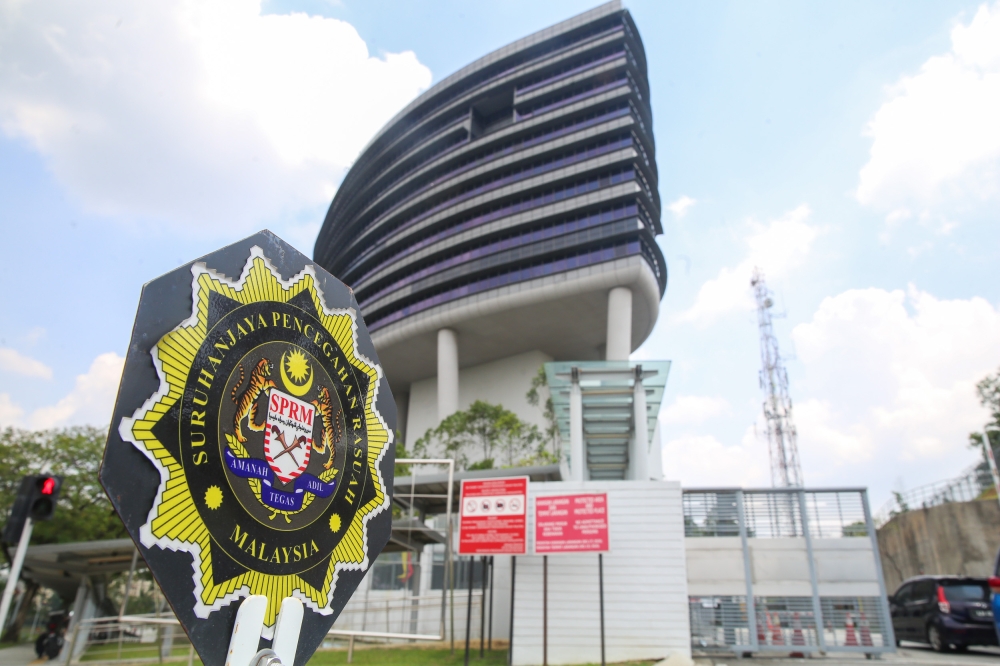
The Malaysian Anti-Corruption Commission (MACC) is undertaking a substantial modernisation of its digital forensics infrastructure, recognising that corruption investigations in the 21st century face unprecedented challenges from artificially-intelligent content generation. This strategic pivot addresses a critical vulnerability in law enforcement methodology: the proliferation of convincing false evidence that can mislead prosecutors and undermine legitimate cases. By developing specialist teams and acquiring cutting-edge detection tools, MACC is positioning itself ahead of criminal actors who increasingly exploit AI technologies to obstruct justice and fabricate exculpatory materials.
The timing of this initiative reflects a broader reckoning across Asia's law enforcement agencies. Deepfakes—synthetic audio and video created through machine learning—have matured from technological curiosities into weapons deployed in white-collar crime scenarios. Within Malaysia's context, where high-profile corruption cases regularly capture public attention, the integrity of physical and digital evidence has become paramount. Investigators now must contend not merely with traditional document forgery, but with photorealistic videos of officials accepting bribes, falsified audio recordings of incriminating conversations, and manipulated financial records that pass preliminary scrutiny. MACC's expansion of forensic capabilities directly responds to this tactical shift by potential perpetrators.
The commission's enhancement programme encompasses several interconnected domains. Digital evidence preservation protocols are being upgraded to create immutable audit trails that prevent post-collection tampering. Personnel are receiving specialist training in detecting artefacts that distinguish genuine recordings from synthetically generated material—imperceptible visual glitches, inconsistencies in lighting and shadow physics, and anomalies in voice biometrics that reveal AI manipulation. Additionally, MACC is establishing partnerships with technology providers and academic institutions to maintain technological parity as deepfake generation techniques advance. This commitment to continuous evolution distinguishes proactive from reactive approaches within law enforcement.
The risks that prompted this initiative extend beyond isolated high-crime cases. Within Malaysia's democratic framework, where public confidence in institutions influences electoral behaviour and social cohesion, the deployment of deepfakes targeting officials carries destabilising potential. A fabricated video of a senior minister could trigger political turmoil before verification occurs. Conversely, a criminal actor could manufacture false evidence of an investigator's corruption to delegitimise ongoing prosecutions. These scenarios underscore why institutional capability-building at MACC transcends bureaucratic necessity—it becomes essential infrastructure for democratic governance itself.
Regionally, Malaysia's advancement in this domain positions it as a potential model for Southeast Asian neighbours confronting similar challenges. Countries across ASEAN lack specialised deepfake detection capacity, rendering their corruption investigations vulnerable to technological fraud. Should MACC successfully develop and operationalise these capabilities, knowledge-sharing arrangements could elevate anti-corruption standards throughout the region. This potential cooperative dimension adds strategic weight to what might otherwise appear a purely domestic infrastructure investment. The commission's modernisation effort thus carries implications for regional institutional capacity and transnational corruption investigations increasingly common in an economically integrated Southeast Asia.
Implementing these forensic innovations requires sustained investment and organisational discipline. Deploying new detection tools across investigation units demands training programmes that reach personnel at all levels, from senior prosecutors to junior field investigators. Institutional culture must shift to incorporate digital forensics into standard operating procedures rather than treating it as a specialised afterthought. Quality assurance mechanisms must ensure that detection processes themselves withstand legal scrutiny—evidence of AI manipulation is only valuable if courts accept it as admissible testimony. MACC's success depends not merely on acquiring technology, but on embedding it within institutional practices and legal frameworks.
The financial implications warrant consideration. Advanced forensic software, secure server infrastructure, and sustained personnel training represent substantial budgetary commitments. Yet the alternative—conducting investigations using compromised evidence or failing to detect manipulated materials—carries far greater costs. Botched prosecutions waste resources, undermine institutional credibility, and allow corrupt actors to escape accountability. From this perspective, investment in digital forensics represents not departmental expense but institutional preservation.
The broader significance of MACC's initiative lies in acknowledging that corruption itself evolves. As perpetrators adopt emerging technologies, enforcement agencies must pursue matching sophistication. Corruption in Malaysia's context has historically involved cash payments and bribed intermediaries—relatively primitive tactics requiring limited technical knowledge. The integration of AI into corrupt schemes represents a qualitative shift toward more ambitious crimes potentially involving international networks and advanced technical expertise. MACC's response signals recognition that the commission's adversaries are not static entities but adaptive organisations that deploy whatever tools promise advantage.
Looking forward, the sustainability of MACC's digital forensics programme depends on institutional commitment extending beyond initial implementation. Technology companies continually release more sophisticated deepfake generation tools—some creating photorealistic synthetic videos in minutes rather than hours. Forensic detection must keep pace or risk obsolescence. This requirement necessitates ongoing research partnerships, regular capability reassessment, and budgetary allocations that survive changes in government and competing priorities. Institutions that have begun digital transformation initiatives often discover that commitment falters when initial enthusiasm wanes, resulting in half-measures that ultimately waste resources without achieving security objectives.

