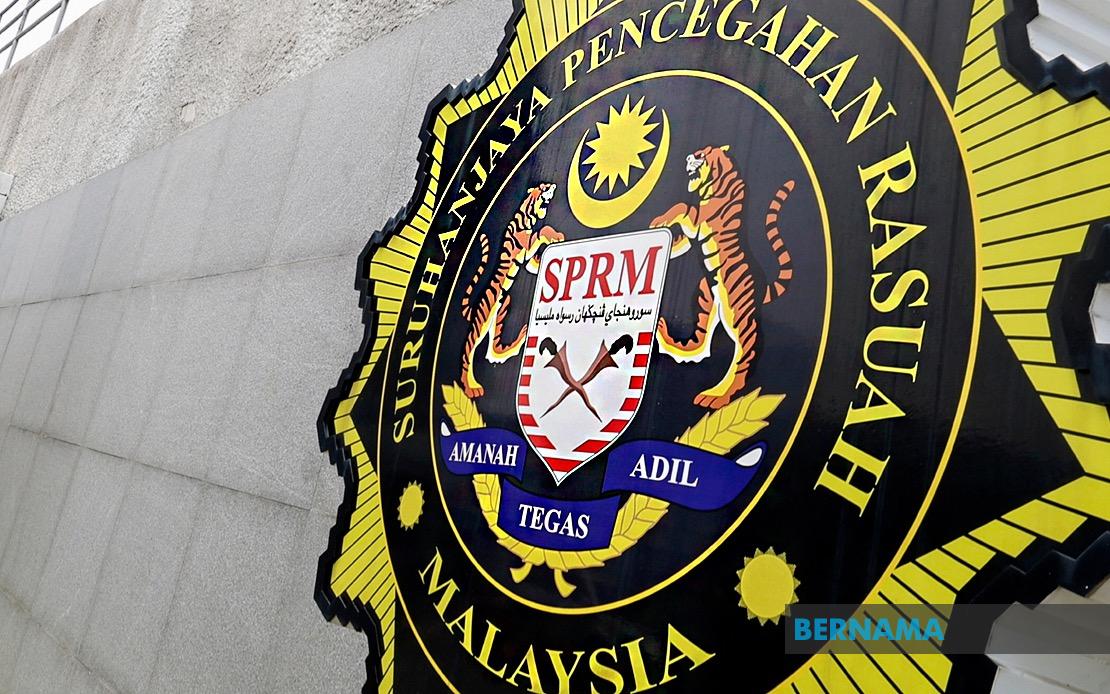
The Malaysian Anti-Corruption Commission has moved to significantly expand its technological defences against increasingly sophisticated digital manipulation by sending senior forensic experts to complete advanced training in Italy. The initiative reflects growing recognition within enforcement agencies across Southeast Asia that traditional evidence standards are proving inadequate in an era where artificial intelligence and deepfake technology can create convincing false records of conversations, transactions, and statements. By participating in the internationally accredited Amped Authenticate course in Trieste from late July, the MACC's Technology Forensic Division is positioning itself at the frontiers of investigative capability, establishing protocols that Malaysian courts can rely upon when evaluating the authenticity of digital materials.
The rapid evolution of AI technology has created a genuine investigative headache for anti-corruption bodies. A decade ago, digital evidence—whether photographs, audio files, or video recordings—was generally presumed authentic unless someone could identify obvious signs of tampering through basic visual inspection. Today, sophisticated deepfake software and generative AI tools allow individuals to fabricate entirely convincing recordings of conversations that never happened, documents that were never created, and transactions that never occurred. For an agency like the MACC, which depends heavily on digital evidence to build cases against white-collar offenders, the ability to authenticate materials with scientific rigour has become essential to maintaining prosecutorial credibility and ensuring convictions survive appellate scrutiny.
The training programme itself addresses this challenge through a comprehensive suite of analytical techniques grounded in peer-reviewed forensic science. Officers now receive instruction in metadata analysis, which examines the technical information embedded within digital files to establish their origin and modification history. Camera fingerprinting technology identifies unique characteristics of individual devices used to capture images, allowing investigators to verify whether a photograph was genuinely taken by a claimed camera or synthesised artificially. Image editing detection methods search for digital artefacts—microscopic patterns and inconsistencies—that emerge when files are altered using common software tools. Physical consistency assessment evaluates whether shadows, reflections, lighting angles, and spatial relationships within images conform to the laws of physics, revealing when composite images have been created by splicing elements from different sources.
Perhaps most significantly for contemporary investigations, the course equips forensic specialists with deepfake detection methodologies that can identify videos generated or manipulated through artificial intelligence techniques. These approaches employ sophisticated statistical analysis, including Peak-to-Correlation Energy calculations that measure consistency in camera response patterns, JPEG quantisation analysis that traces digital compression fingerprints, and shadow and reflection geometry assessment that determines whether lighting and proportions remain physically plausible. The combination of these techniques creates a layered verification system difficult for even advanced AI tools to circumvent without leaving detectable traces.
The scientific foundation underpinning these methods matters enormously for courtroom admissibility. Analysis reports generated using Amped Authenticate software meet internationally recognised standards, specifically the ISO/IEC 17025 certification that governs forensic laboratory operations globally. This standardisation means that digital evidence authenticated through the MACC's Technology Forensic Division can be presented in Malaysian courts with assurance that the methodology satisfies both domestic legal requirements and international benchmarks. When officers testify as expert witnesses, they can cite established scientific principles and peer-reviewed research rather than relying on subjective impressions, substantially strengthening prosecutorial arguments and reducing opportunities for defence challenges based on methodological weakness.
For Malaysia's broader law enforcement ecosystem, this capability upgrade has implications extending beyond anti-corruption investigations. Deepfake technology and AI-generated evidence are emerging threats across multiple crime categories—fraud, blackmail, defamation, and cybercrime generally. As these tools become more accessible and user-friendly, criminal organisations and sophisticated individual offenders will increasingly weaponise manipulated digital evidence to incriminate rivals, extort victims, or discredit investigative evidence. Police forces, customs authorities, and financial crime investigators will eventually require similar forensic capabilities to function effectively in an environment saturated with questionable digital materials. The MACC's initiative essentially charts a necessary pathway that other Malaysian agencies will likely need to follow.
The Evidence Act 1950, Malaysia's foundational statute governing admissibility and weight of evidence in court proceedings, predates the digital age by many decades and certainly never contemplated artificial intelligence or deepfake technology. Courts have therefore developed interpretive approaches that broadly permit digital evidence while requiring reasonable authentication. The MACC's enhanced capabilities create an opportunity to establish best-practice standards for digital evidence verification that can gradually influence how Malaysian courts approach these materials. As Technology Forensic Division officers testify in successive cases using scientifically rigorous methodologies, judicial understanding of deepfake risks and detection methods will mature, potentially leading to more stringent authentication requirements and greater scepticism toward digital evidence lacking proper forensic verification.
The specific participants in the training programme—BFT director Wan Zulkifli Wan Jusoh, Putrajaya director Mohd Shahril Che Saad, and officers Dr Syah Reezal Md Bashah and Muhamad Khairi Mohamad Dain—represent the agency's commitment to embedding this expertise at multiple organisational levels. By ensuring that both leadership and specialist personnel receive hands-on instruction in advanced techniques, the MACC maximises the likelihood that new capabilities will be systematically integrated into investigative procedures rather than remaining siloed expertise. This approach also enables more experienced officers to mentor junior forensic specialists, gradually expanding the pool of personnel capable of detecting sophisticated digital manipulation.
The regional context further underscores the significance of this initiative. Southeast Asia has experienced explosive growth in digital adoption alongside corresponding increases in cybercrime and digital fraud. Singapore, Thailand, and Indonesia have all begun developing enhanced forensic capabilities to address similar threats, creating an informal competitive pressure that encourages Malaysian agencies to maintain parity. Furthermore, the growing interconnectedness of regional financial systems means that corruption investigations frequently involve digital evidence originating in multiple countries, requiring coordination between agencies that employ comparable methodologies and standards. The MACC's alignment with international forensic protocols facilitates this cross-border cooperation and strengthens the credibility of Malaysian investigations when shared with foreign counterparts.
Looking forward, the principal challenge involves sustained funding and institutional commitment to keep pace with evolving technology. Deepfake tools and AI-generation methods advance rapidly, with new techniques emerging regularly that older detection approaches cannot address. The MACC will need to ensure that its Technology Forensic Division receives continuous professional development, regular software updates, and access to emerging research from international forensic science communities. This requires treating digital forensics as an ongoing investment rather than a one-time capability upgrade, embedding resource allocation in long-term budgeting and institutional planning.
The initiative also signals important commitment to investigative integrity and due process values. By adopting scientifically rigorous methods and internationally recognised standards, the MACC demonstrates that its prosecutions rest on solid evidentiary foundations rather than manipulation or circumstantial inference. This institutional credibility matters particularly for anti-corruption enforcement, where political pressures sometimes create temptation to overstate evidence or pursue cases on thin grounds. Transparent, scientifically defensible methodologies constrain such pressures and strengthen public confidence in the agency's independence and professionalism. As Malaysia's political environment continues evolving and anti-corruption investigations remain sensitive, the capacity to present overwhelming technical evidence reduces space for allegations of prosecutorial bias or evidence manipulation.

