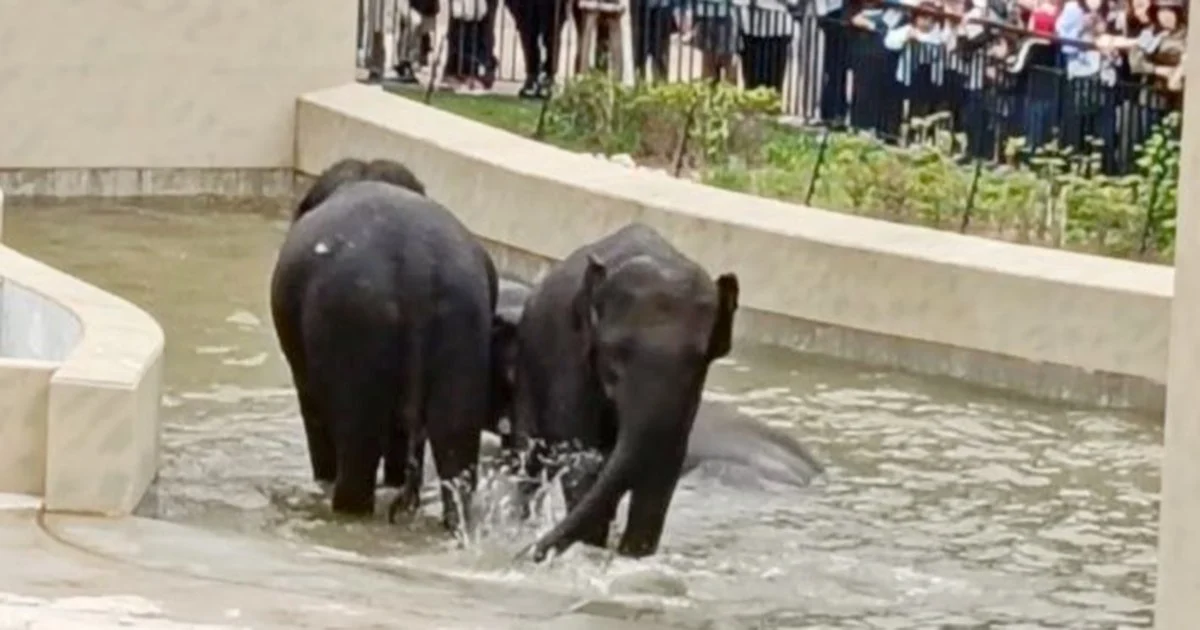
The Malaysian Anti-Corruption Commission has initiated a probe into the Taiping Municipal Council concerning the controversial relocation of three elephants to Tennoji Zoo in Japan, though the investigation at this stage is restricted to a careful examination of relevant paperwork and records. Taiping authorities indicated that the MACC's inquiry does not encompass broader investigative measures, focusing instead on the documentary trail surrounding the elephant transfer agreement.
The decision to scrutinise the transaction through documents alone suggests that authorities are seeking to establish whether proper procedures were followed and if any irregularities occurred during the approval and execution phases of the international animal transfer. Such an approach is typical in corruption investigations where preliminary document reviews determine whether further investigative steps are warranted, including interviews with officials involved in the decision-making process.
The transfer of the three elephants from Taiping represents a significant development in Malaysia's wildlife management policies. Tennoji Zoo, located in Osaka, Japan, has been engaging in elephant conservation programmes and has sought partnerships with facilities across Asia to strengthen breeding and welfare initiatives. For Malaysian stakeholders, this arrangement raises questions about domestic animal welfare standards and the criteria used to select recipient facilities for Malaysia's endangered or surplus wildlife populations.
The timing of the MACC investigation reflects growing public and governmental concern about how Malaysian municipal authorities manage high-profile transactions, particularly those involving natural resources or public assets. The Taiping Municipal Council, responsible for administering the historic town and its surrounding areas in Perak, holds custodianship over the elephant facility in question. The council's decision-making process in approving the transfer has apparently attracted official scrutiny, suggesting potential concerns about governance or transparency.
For Malaysian readers, this investigation underscores the broader importance of institutional accountability in how local authorities handle wildlife assets. Malaysia's elephants are protected under national legislation, and any transfer of these animals domestically or internationally requires careful coordination between multiple agencies, including the Department of Wildlife and National Parks, local government bodies, and international partners. The involvement of the MACC indicates that authorities want assurance that all proper channels were observed.
The documentary review phase typically involves examining official correspondence, meeting minutes, financial records, and approval documents that trace how the decision evolved from conception through implementation. If irregularities are discovered during this stage, the MACC may escalate the investigation to include witness interviews and more extensive inquiries. The fact that officials have publicly stated the current investigation remains at the document review stage suggests that no such escalation has occurred yet.
Tennoji Zoo's acquisition of Malaysian elephants reflects broader patterns in Asia's zoo sector, where institutions increasingly seek to establish international breeding programmes and conservation collaborations. However, such arrangements must navigate complex regulatory frameworks in both the source country and the receiving institution's jurisdiction. Malaysia's involvement in international wildlife movements carries diplomatic and conservation implications, making transparency in these processes essential for maintaining trust in the country's stewardship of its natural heritage.
The Taiping elephant case also highlights tensions between economic considerations and animal welfare in local governance. Municipal councils in Malaysia balance multiple priorities, from infrastructure development to community services, and decisions regarding large animals in public facilities attract significant scrutiny. The international dimensions of this particular transfer amplified public interest, as Malaysians became more aware of where their wildlife assets were being relocated and under what terms.
The MACC's investigation, even at the limited documentary stage, sends a signal that such transactions will not escape official oversight. This approach protects municipal councils from unfounded allegations while ensuring that governance standards are maintained. For Malaysian stakeholders invested in wildlife conservation, the investigation may ultimately provide assurance that public assets are managed appropriately or, conversely, identify areas where internal procedures need strengthening.
The outcome of the document review will likely determine whether the MACC proceeds further or concludes its inquiry. If the paperwork reveals standard procedures properly followed, the investigation may conclude without additional action. However, should the review uncover concerning patterns or procedural gaps, the commission may deepen its investigation, potentially interviewing council members and officials involved in authorising the transfer. This progression from documentary examination to broader inquiry is standard in MACC investigations and remains a possibility depending on what officials discover.
For Taiping and other Malaysian municipalities managing public assets or facilities involving wildlife, the investigation serves as a reminder of the importance of meticulous record-keeping and adherence to established protocols. Transparency in such processes builds public confidence in local governance and demonstrates that Malaysian institutions take accountability seriously. The elephant transfer case, though specific to one council and three animals, carries broader lessons about institutional governance in Malaysia's local administration system and the evolving standards applied to such decisions.

