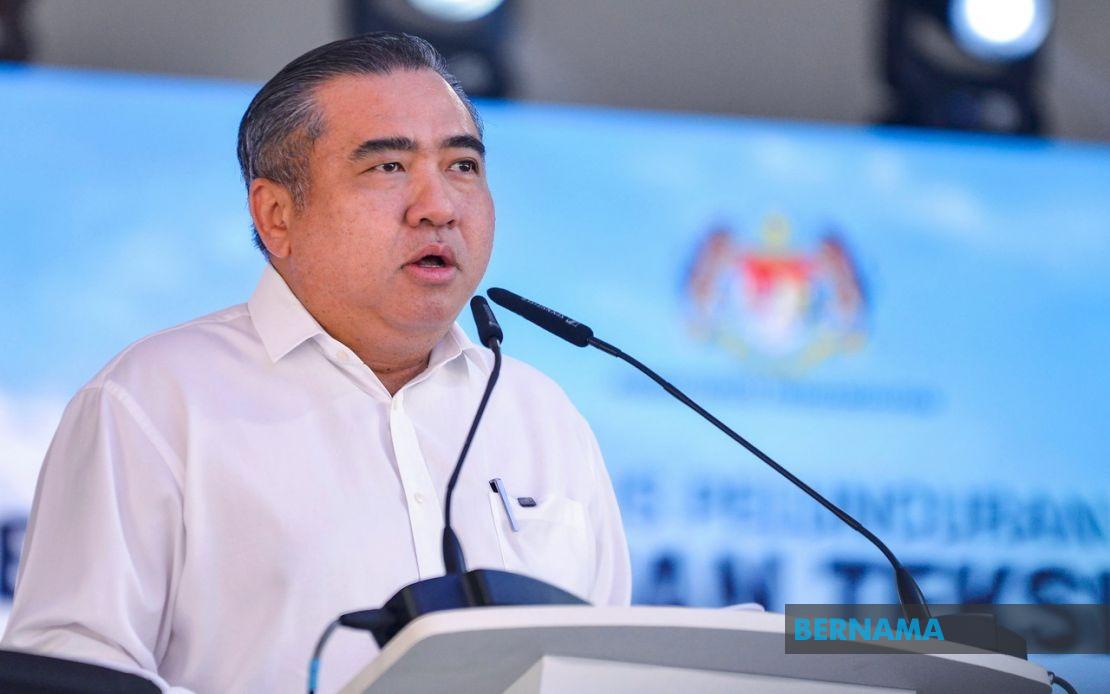
Prime Minister Datuk Seri Anwar Ibrahim officially launched the National MADANI Taxi Reform Programme at Dataran Merdeka on July 3, signalling a fundamental shift in how Malaysia's taxi industry operates. The initiative represents the most substantial restructuring of the sector in decades, fundamentally altering the relationship between drivers and vehicle ownership. Transport Minister Anthony Loke unveiled the centrepiece of this transformation: drivers will now become the legal proprietors of their vehicles rather than operating under the leasing arrangements that have dominated the industry for generations.
The introduction of outright vehicle ownership for taxi drivers addresses one of the sector's longstanding grievances. Under the previous leasing model, drivers bore operational costs and risks while remaining tenants rather than owners, a structure that often limited their financial mobility and investment in vehicle maintenance. Loke emphasised that this arrangement differs fundamentally from earlier iterations, with ownership rights residing permanently with the driver even as vehicles are financed through banking institutions. This distinction carries significant implications for driver autonomy, resale options, and long-term wealth accumulation within the profession.
Special approval from the Ministry of Finance underpins this restructuring, indicating government commitment to modernising taxi operations through policy reform rather than market forces alone. The financing mechanism allows drivers to acquire vehicles without the substantial upfront capital traditionally required, effectively democratising ownership within an industry historically characterised by significant barriers to entry. For drivers currently bound by expensive leasing contracts, this represents a pathway toward asset accumulation and greater financial independence.
The Proton S70 sedan has been designated as the standardised vehicle for the programme, selected according to criteria encompassing safety specifications, passenger comfort standards, and operational efficiency. This choice of a domestically produced vehicle supports Malaysia's automotive sector whilst potentially reducing import dependencies and providing predictable maintenance costs across the taxi fleet. The selection reflects pragmatic considerations beyond mere procurement; standardisation facilitates regulatory compliance, streamlines spare parts supply chains, and creates consistency in passenger experience across metropolitan taxi services.
Visually, the reformed taxi fleet will abandon the iconic roof-mounted signage that has characterised Malaysian taxis for decades. Instead, vehicles will display registration plates using the special series beginning with the letters "GET", creating visual distinction whilst modernising the industry's appearance. This aesthetic transformation, though seemingly superficial, signals broader modernisation and helps differentiate MADANI programme participants from unregistered or informal taxi operators, potentially enhancing passenger confidence and regulatory oversight.
Revenue diversification constitutes another pillar of the reform strategy. The ministry, working collaboratively with private-sector partners, will integrate digital advertising displays within taxi cabins, generating supplementary income streams for drivers. This approach recognises that traditional metering alone provides insufficient earnings for sustainable livelihoods, particularly amid rising operational costs. Advertising revenue addresses this gap whilst capitalising on captive audience demographics valuable to commercial advertisers.
Digital integration extends beyond interior advertising to encompass booking mechanisms. The programme incorporates seamless connectivity with e-hailing platforms, enabling drivers to access both traditional street-hailing and digital booking channels simultaneously. This dual-access model prevents technological transition from disadvantaging drivers unfamiliar with ride-sharing applications whilst allowing tech-savvy passengers access to familiar booking interfaces. The integration recognises that Malaysian urban transport markets increasingly function through hybrid models combining traditional and digital services.
The reform programme carries implications extending beyond individual drivers toward broader sectoral competitiveness. By modernising fleet composition, standardising vehicle specifications, and formalising digital integration, Malaysia positions its taxi services against emerging ride-sharing competitors that have captured substantial market share in recent years. Enhanced vehicle quality, transparent booking mechanisms, and reliable driver identification through standardised registration plates address passenger concerns that frequently favour app-based services.
For Malaysian consumers, particularly those in Kuala Lumpur and other major metropolitan areas, the MADANI programme promises improved service quality standards. Newer vehicles equipped with safety features and predictable maintenance schedules reduce mechanical failures, whilst driver ownership incentivises superior vehicle maintenance and passenger service. The elimination of roof-mounted taxi signs, whilst cosmetic, reflects broader modernisation that younger consumers increasingly expect from transportation services.
The programme's emphasis on driver ownership addresses equity concerns within the gig economy and transport sectors. Unlike ride-sharing models where drivers lease vehicles from fleet operators, the MADANI approach builds wealth for individual drivers whilst maintaining employment formality. This distinction carries labour-rights implications and potentially influences how drivers organise collectively to address working conditions and earnings standards.
Implementing such comprehensive reform requires coordination across multiple government agencies and private stakeholders. Beyond the Transport Ministry, the Finance Ministry's approval proves critical, as does cooperation from banking institutions extending credit to participating drivers. Local authorities, including the Kuala Lumpur City Hall under mayor Datuk Seri Fadlun Mak Ujud, must accommodate regulatory changes associated with the new registration series and vehicle specifications.
The programme's success will depend substantially on uptake rates among existing taxi drivers and new entrants. Transitioning from leasing to ownership requires drivers to assume financial obligations and assess long-term viability based on prevailing market conditions. Market penetration will likely proceed gradually, with early adopters demonstrating programme benefits to hesitant peers. Government communication strategies emphasising ownership advantages, financing accessibility, and revenue opportunities will prove essential to achieving adequate participation levels.

