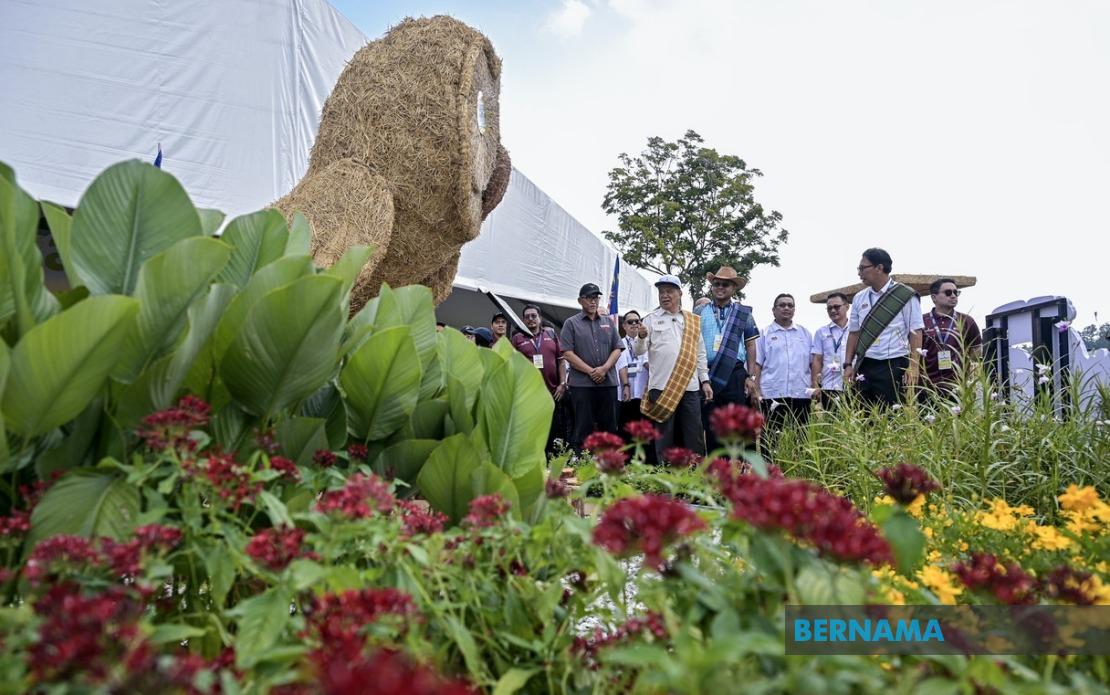
The Malaysia Agriculture, Horticulture and Agrotourism Exhibition 2026 is performing robustly in its initial phase, drawing 1.8 million visitors and generating close to RM6 million in sales across the first three days of operations. Agriculture and Food Security Minister Datuk Seri Mohamad Sabu disclosed these figures while addressing the media at Malaysia Agro Exposition Park Serdang (MAEPS) after inaugurating Laman Padi MAHA 2026, underscoring the exhibition's appeal to a broad cross-section of Malaysian consumers and agricultural enthusiasts seeking quality seeds, horticultural products, and agrotourism experiences.
The volume of foot traffic has manifested in vehicular congestion around the venue, with 184,000 vehicles recorded entering and exiting the MAEPS grounds during the three-day window. This substantial movement reflects the magnitude of the gathering and the logistical challenges inherent in accommodating such attendance at a single agricultural complex. The minister acknowledged the transportation pressures, noting the particularly congested conditions around the exhibition facilities and the strain placed on visitor convenience during peak hours.
Organisers have responded by scaling up shuttle services to facilitate movement within and around the sprawling venue. Mohamad emphasised that the event management team convenes daily to address grievances lodged by visitors and to devise solutions that enhance operational efficiency. The proactive approach signals a commitment to continuous improvement, particularly given feedback concerning queue management at state pavilions where patrons experienced extended waits. The combination of elevated temperatures and congestion has compelled administrators to explore rapid transit options that minimise exposure to weather while maintaining flow through exhibition zones.
Mohamad's observation of lengthy queues at state pavilions underscores the event's drawing power, demonstrating that agricultural stakeholders and general visitors alike remain keenly interested in regional agricultural products and innovations. The queuing phenomenon, whilst indicative of demand, also highlights the necessity for improved crowd management infrastructure. Management has been tasked with identifying methods to accelerate visitor throughput, particularly during the sweltering midday hours when thermal stress compounds the inconvenience of prolonged standing.
The exhibition's opening three days coincided with special programming designed to boost attendance and public engagement. MAHA Merdeka, celebrated on the preceding day in conjunction with Malaysia's National Day, featured pyrotechnic displays and drone performances that attracted families and tourists beyond the typical agricultural audience. Such thematic programming diversifies appeal and extends the event's relevance beyond industry professionals to encompass general entertainment seekers, thereby broadening the demographic composition of attendees.
Operators are targeting a cumulative sales figure of at least RM58 million across the full duration of the exhibition, which runs from August 28 through September 6. This target reflects confidence in sustained visitor interest and purchasing activity as the event progresses through its latter stages. Crop seeds represent a significant component of anticipated transactions, driven by farmers and smallholder producers seeking certified genetic material and horticultural inputs. Beyond seeds, visitors are acquiring fertilisers, agricultural machinery, pest management solutions, and related products essential to productive farming operations throughout Malaysia and the region.
The exhibition encompasses approximately 2,000 exhibitors, representing a substantial concentration of agricultural enterprises, seed distributors, equipment manufacturers, and agrotourism service providers. This vendor density ensures visitor access to a comprehensive spectrum of agricultural goods and services within a single destination, reducing search costs and facilitating comparison shopping. The variety incentivises extended visits and repeat attendance, as stakeholders across the agricultural value chain find relevant offerings tailored to their specific requirements and operational scales.
Projections for total attendance across the nine-day exhibition window exceed four million visitors, suggesting sustained momentum beyond the initial three-day performance. If realised, this figure would represent substantial growth compared to previous iterations and would rank MAHA 2026 among the region's premier agricultural gatherings. Such attendance levels generate significant economic spillover benefits for the Serdang locality through hospitality, food service, accommodation, and retail expenditures by visiting consumers and trading delegates.
For Malaysian policymakers, the robust opening performance validates the strategic importance attributed to agricultural exhibitions as catalysts for sector modernisation and knowledge exchange. The minister's direct engagement with logistical challenges and daily management reviews exemplify the political priority accorded to ensuring event success. Beyond ceremonial functions, this hands-on oversight indicates alignment with broader national agricultural security objectives, positioning exhibitions as venues where farmers connect with suppliers and policymakers gather intelligence on sectoral trends and innovation adoption.
The exhibition also serves as an index of agricultural consumer demand and market sentiment within Malaysia. The early sales trajectory and visitor demographics provide stakeholders with real-time insights into purchasing patterns and product preferences, informing inventory management and product development decisions. For smallholder farmers and medium-sized agricultural enterprises, MAHA functions as an accessible marketplace where direct consumer engagement bypasses conventional wholesale and retail intermediaries, potentially improving profit margins and market feedback.
Looking forward, the remaining weeks of MAHA 2026 will test whether the strong opening trajectory sustains or moderates as novelty effects dissipate. The daily management meetings indicate preparedness to adapt operations based on evolving visitor needs and emerging logistical pressures. Should the exhibition achieve or exceed its RM58 million sales target and four million visitor projection, it will reinforce the viability of expansive agricultural exhibitions as drivers of sector visibility and economic activity within Southeast Asia's largest agricultural economy. The current trajectory suggests strong momentum, though sustained performance will depend on continued programming quality, effective crowd management, and institutional responsiveness to participant feedback throughout the exhibition's duration.

