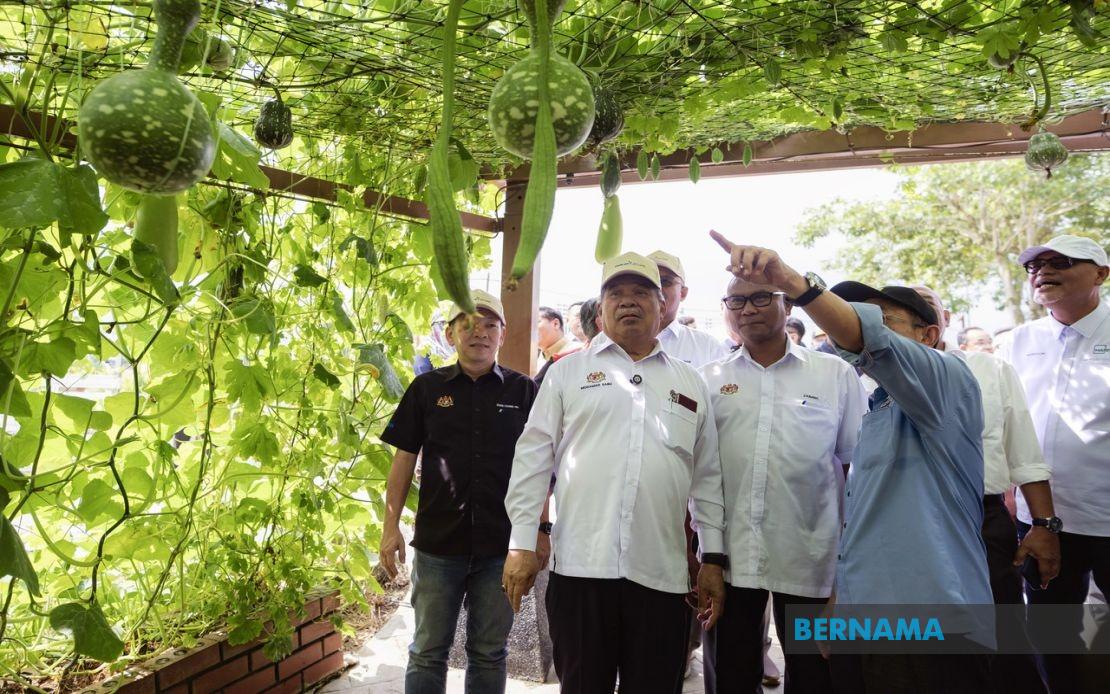
Preparations for the Malaysia Agriculture, Horticulture and Agrotourism Exhibition (MAHA) 2026 have reached 80 per cent completion, with all finishing touches expected by August 27, one day before the public opening, according to Agriculture and Food Security Minister Datuk Seri Mohamad Sabu. The minister's statement during a media inspection at the Malaysia Agro Exposition Park Serdang (MAEPS) signals that the biennial showcase is on track for what organisers hope will be a landmark demonstration of agricultural modernisation across Southeast Asia's largest agribusiness event by attendance.
The core infrastructure at MAEPS has already been finalised, leaving only the installation and arrangement of individual exhibition components across the sprawling venue. This final phase typically involves vendor setup, signage placement, and operational systems testing—work that runs parallel with each exhibitor's internal preparations. With under two weeks remaining before opening day, the timeline demonstrates confidence among organisers that logistical hurdles have been surmounted, though the agricultural sector in Malaysia has seen exhibition scheduling challenges before due to weather or supply chain delays.
Running from August 28 through September 6, MAHA 2026 carries the theme 'Penciptaan Nilai Demi Keterjaminan Makanan' (Value Creation for Food Security), positioning agricultural advancement as integral to national resilience. Mohamad Sabu will formally open the exhibition, while Prime Minister Datuk Seri Anwar Ibrahim will preside over the closing ceremony on September 6. This dual leadership involvement underscores the government's strategic emphasis on agriculture as a pillar of economic and food security policy, reflecting concerns shared across Southeast Asia regarding supply chain vulnerabilities and self-sufficiency.
Technology adoption forms the exhibition's centrepiece, with displays featuring modern agricultural machinery, autonomous vehicles, and drone applications in cultivation of paddy, pineapple, and melon. These technological showcases align Malaysia's agricultural narrative with practices already embedded in competitor nations such as China and the Netherlands, where mechanisation and precision farming have substantially increased yields and reduced labour costs. For Malaysian farmers and smallholders—particularly those in Peninsular Malaysia facing labour shortages and rising input costs—such demonstrations offer practical templates for modernisation, though capital investment barriers remain substantial for many operators.
Beyond machinery, MAHA 2026 emphasises value-chain integration, a critical gap in Malaysia's agri-food sector where producers often remain confined to raw material supply without accessing higher-margin downstream activities. By showcasing how milk, pineapple, and cassava can be processed into diverse consumer products, the exhibition aims to inspire farmer participation in value-added production. This strategic pivot recognises that commodity-dependent agriculture leaves Malaysian producers vulnerable to price volatility, whereas processing and branding create stable revenue streams and entrepreneurial opportunities, particularly relevant as smallholder farmers seek economic sustainability.
Complementing its modernisation thrust, MAHA 2026 incorporates cultural and heritage elements through Perkampungan Abang Mat, a dedicated village space featuring 'rewang' (traditional communal cooking), food heritage demonstrations, and indigenous games. This dual narrative—balancing technological advancement with cultural preservation—responds to societal tensions around agricultural development, particularly in communities where traditional knowledge and social practices remain economically and culturally significant. Daily programme rotation ensures visitors encounter fresh activities, while traditional games like congkak appeal specifically to senior citizens seeking leisure and nostalgia.
Entertainment and incentives are woven throughout the 10-day run to broaden visitor demographics beyond industry professionals. Daily lucky draws offer motorcycles (twenty across the exhibition) alongside electrical appliances, a prize structure designed to encourage repeat visits and draw families. This commercial approach to exhibition design reflects learned lessons from previous MAHA editions regarding visitor retention and broader public engagement, moving beyond purely trade-focused attendance to position agriculture as accessible and relevant to everyday Malaysians.
Projections of over four million visitors and approximately 2,000 exhibitors—including participants from 14 countries—position MAHA 2026 as a significant regional gathering. Kenya's inaugural pavilion participation signals expansion of agricultural diplomacy beyond traditional partners, opening avenues for technology transfer and bilateral cooperation. For Malaysia's agricultural sector, such international exposure creates networking opportunities and competitive benchmarking, though organisers will be attentive to whether foreign participation adequately represents African, ASEAN, or South Asian agricultural perspectives beyond established partners.
Youth engagement constitutes a strategic priority, with organisers targeting 800,000 young visitors through programmes centred on automation, technology, and sector modernisation. Mohamad Sabu is simultaneously pursuing Education Ministry approval for school-based co-curricular participation, attempting to embed agricultural awareness within formal education systems. This pipeline approach—introducing youth to sector opportunities through exhibition exposure and school programmes—addresses Malaysia's perceived youth disengagement from agriculture, a demographic reality that threatens long-term workforce sustainability and innovation capacity across farming communities.
For Malaysian agribusiness and smallholder farmers, MAHA 2026 represents both opportunity and pressure. The showcase signals government commitment to technological and value-chain modernisation, yet participants must translate exhibition learning into operational reality against resource constraints. International exhibitor presence introduces competitive benchmarking and partnership potential, but also highlights capability gaps in Malaysian operations relative to developed agricultural economies. The exhibition's emphasis on food security and agricultural advancement, while domestically focused, occurs within a regional context where Thailand, Vietnam, and Indonesia are simultaneously advancing their own agricultural modernisation agendas, intensifying competitive dynamics across Southeast Asia's agribusiness landscape.

