Malaysia Airports Holdings Bhd (MAHB) and Japan-based Mitsui Fudosan have formally begun construction on an RM80 million air cargo logistics complex within Subang Aerotech Park, marking a significant step in the country's strategy to expand its aviation infrastructure. The development signals MAHB's commitment to monetising its considerable land holdings through strategic international partnerships, whilst simultaneously positioning Malaysia to capture growing regional demand for air freight services.
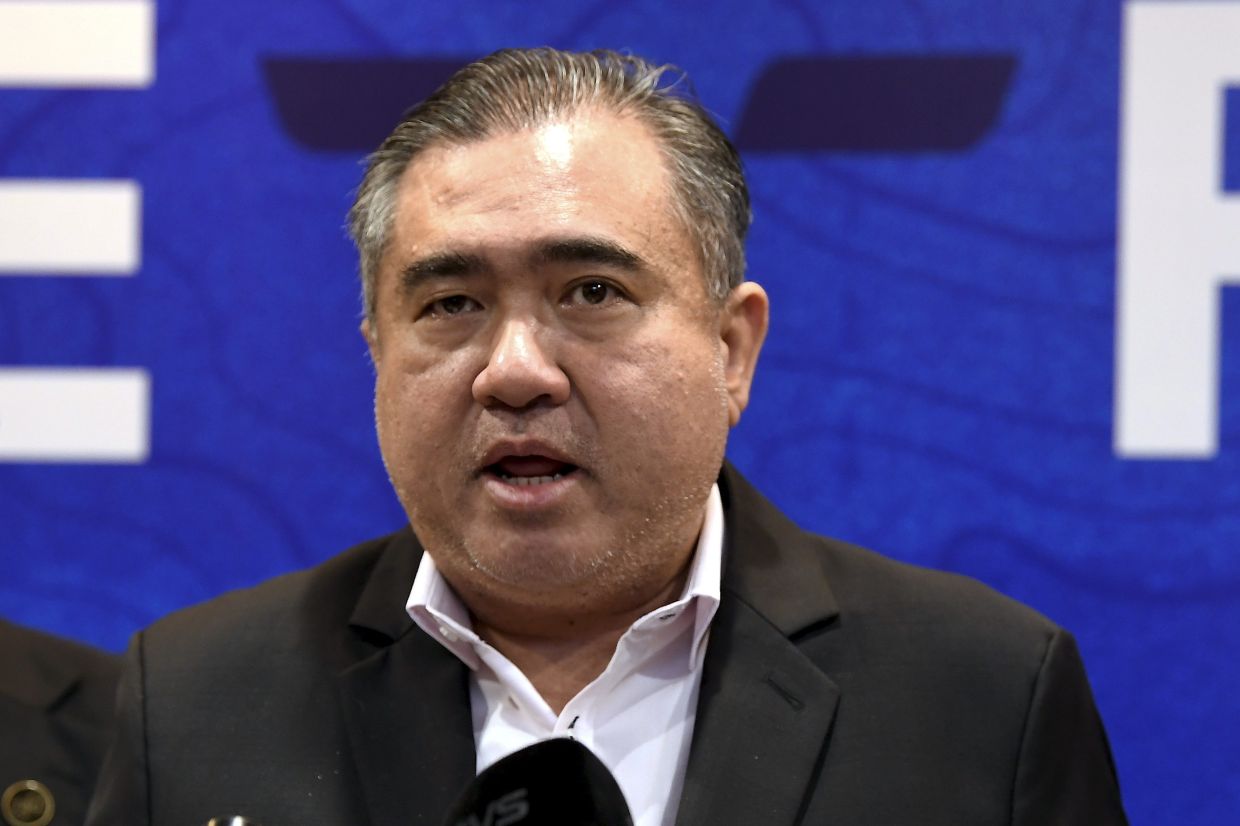
Transport Minister Anthony Loke Siew Fook explained that the collaboration represents a carefully calculated approach to developing airport-related facilities by combining MAHB's asset base with proven operational expertise from abroad. Mitsui Fudosan, the Japanese partner, brings considerable experience having previously constructed and managed similar logistics complexes at Tokyo's Haneda Airport, one of Asia's busiest aviation hubs. This track record is expected to substantially reduce implementation risks for Malaysia whilst ensuring the facility meets international standards for air cargo operations.
The venture is structured through MFMA Industrial Sdn Bhd, a joint entity equally representing Mitsui Fudosan (Asia) Malaysia Sdn Bhd and Malaysia Airports (Subang) Sdn Bhd. The groundbreaking ceremony, attended by Japan's Embassy Minister Daisuke Nihei, MAHB Managing Director Datuk Mohd Izani Ghani, and Mitsui Fudosan (Asia) Malaysia Managing Director Masayoshi Saito, underscored the bilateral nature of the partnership and Japan's deepening involvement in Malaysia's infrastructure development.
Spanning 1.78 hectares within Subang Aerotech Park, the facility will offer approximately 254,420 square feet of operational space designed to accommodate diverse requirements across the air cargo industry. The complex's architecture incorporates flexible tenancy arrangements, allowing various aerospace, aviation and logistics operators to lease space according to their specific operational needs. This multi-tenant model positions the development as an ecosystem for businesses requiring proximity to Subang Airport's airside operations and the established aerospace cluster surrounding the facility.
Loke outlined a broader government initiative to strengthen Malaysia's air cargo capabilities across multiple nodes. The strategy encompasses enhancing capacity at Kuala Lumpur International Airport (KLIA) and expanding facilities at Kota Kinabalu International Airport (KKIA). Data presented by the Minister revealed that Penang alone currently handles approximately 75 per cent of Malaysia's total air cargo throughput, a concentration reflecting the state's dominance as the country's semiconductor manufacturing powerhouse. This geographic imbalance creates both challenges and opportunities for distributing cargo handling activities across the peninsula.
KLIA is being deliberately developed as ASEAN's regional air cargo hub through a collaborative framework involving China, positioning Malaysia at the nexus of major Asian trade routes. Meanwhile, KKIA is undergoing transformation through the repurposing of Terminal 2 into an air cargo facility, a project being executed in conjunction with the Sabah state government. These parallel developments suggest a deliberate national strategy to create multiple competing hubs rather than concentrating logistics infrastructure around a single airport.
The Subang facility fits strategically within this multipolar approach. Located within the Klang Valley, one of Malaysia's principal industrial and commercial regions, the complex will serve as a natural focal point for aerospace and logistics operators already embedded in the area. The proximity to existing aviation maintenance, repair and overhaul (MRO) providers, as well as automotive and electronics manufacturers, creates natural synergies. Businesses requiring rapid air freight connectivity for time-sensitive shipments will benefit from convenient access without the congestion often associated with central airport operations.
The project timeline positions completion for the third quarter of 2027, with operational commencement scheduled for the fourth quarter of that year. This three-year development window aligns with broader Malaysian infrastructure timeframes and suggests a phased approach to capacity expansion that accounts for industry demand cycles. For logistics operators and manufacturers currently evaluating regional hub locations, the Subang facility's anticipated opening provides certainty regarding future air cargo capacity additions.
The MAHB-Mitsui Fudosan partnership carries implications beyond immediate cargo handling volumes. It demonstrates Malaysia's ability to attract multinational expertise in sectors where local capability might be constrained, whilst simultaneously embedding foreign investment in critical national infrastructure. The Japanese company's involvement signals confidence in Malaysia's long-term aviation market trajectory and regulatory environment. Such partnerships also strengthen bilateral trade relationships, as Japanese manufacturers operating in Malaysia gain enhanced logistics support for their export operations.
For Southeast Asian supply chain managers, the Subang development represents a critical addition to regional options. As semiconductor, automotive and electronics manufacturers across ASEAN seek efficient air freight solutions, additional capacity at Malaysian airports creates competition that benefits shippers through improved service standards and pricing. The facility's completion also eases pressure on congested regional hubs, particularly those in Singapore and Thailand.
The RM80 million investment reflects the sector's capital intensity and the scale required for world-class logistics facilities. This substantial commitment from both MAHB and Mitsui Fudosan indicates confidence that Malaysian air cargo demand will justify the investment. Industry observers will closely monitor the facility's pre-opening marketing efforts and tenant sign-ups, as these metrics will indicate whether regional demand is sufficiently robust to support multiple competing air cargo hubs across Malaysia.

