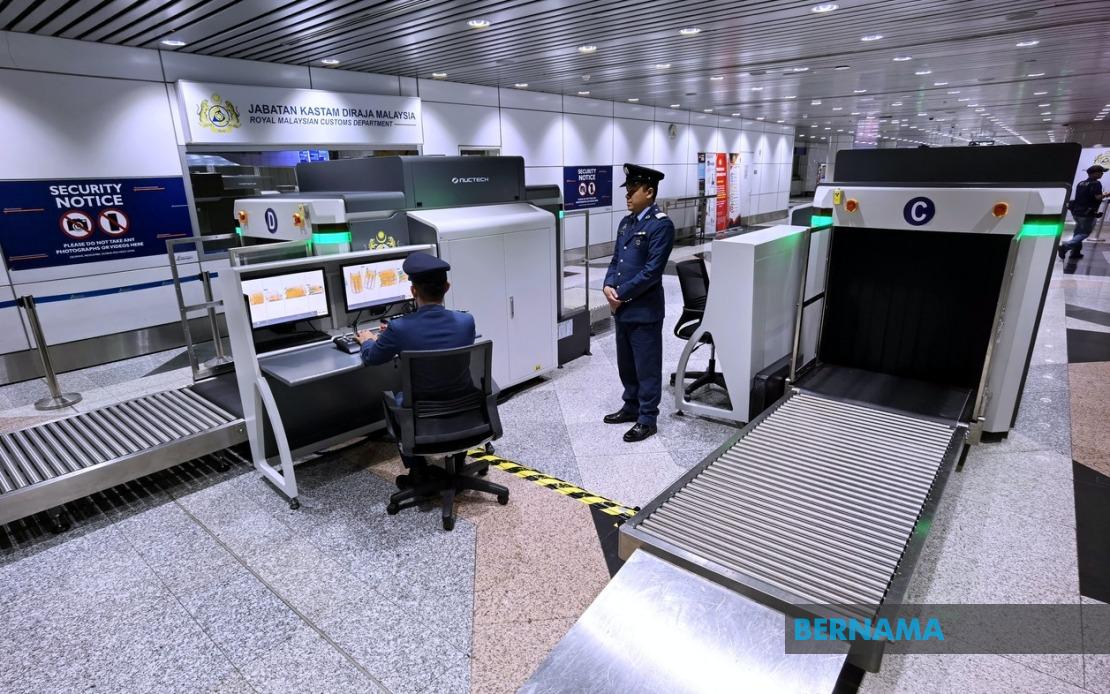
Malaysia Airports Holdings Bhd (MAHB) has pledged continued cooperation with enforcement authorities in strengthening border security measures, responding to the high-profile case of a Malaysian pilot detained in Indonesia on allegations of attempting to smuggle narcotics into the country. The operator of Kuala Lumpur International Airport (KLIA) emphasised its unwavering commitment to supporting multi-agency efforts designed to prevent illegal activities at the nation's busiest aviation hub, while clarifying the distinct operational boundaries between airport security functions and law enforcement investigations.
The 39-year-old pilot was apprehended on July 29 after arriving from Malaysia, with Indonesian authorities discovering approximately 70,114 ecstasy pills and four grammes of methamphetamine with an estimated street value of Rp60 billion in his possession. Initial investigations by Indonesian officials suggest the suspect may have engaged in multiple smuggling operations previously and potentially maintains connections to a broader international drug trafficking network. The case has prompted significant scrutiny of security protocols and raised questions about how narcotics can transit through airport systems designed with multiple layers of detection technology.
MAHB's Aviation Security (AVSEC) team operates within a specific mandate focused on detecting and preventing threats that directly compromise aviation safety, including explosives, weapons, and dangerous materials that could endanger aircraft and passengers. The airport operator operates sophisticated baggage handling systems and deploys advanced screening equipment calibrated to identify such threats. However, MAHB distinguished between aviation security threats and contraband detection, emphasising that investigations into illegal substances not posing direct risks to flight operations fall squarely under the jurisdiction of specialised law enforcement bodies rather than airport management.
The Royal Malaysia Police (PDRM) and the Royal Malaysia Customs Department maintain primary responsibility for detecting, investigating, and prosecuting offences related to illegal drugs, contraband, and prohibited substances at airport facilities. Similarly, the Department of Wildlife and National Parks oversees enforcement matters involving wildlife trafficking. MAHB functions as a supporting partner in these efforts, providing operational cooperation, information sharing mechanisms, and logistical assistance to enable these agencies to execute their mandates effectively. The arrangement reflects Malaysia's broader multi-agency approach to border security, where coordination between various authorities creates overlapping detection systems intended to prevent illegal flows.
During the first seven months of 2024, KLIA's AVSEC team collaborated with PDRM to intercept more than 30 smuggling attempts involving illegal substances, demonstrating ongoing interdiction activities despite the pilot case slipping through existing detection mechanisms. This statistical record suggests that while significant volumes of contraband are successfully prevented from reaching international destinations, operational gaps remain exploitable, particularly when individuals with legitimate access credentials such as airline crew members attempt to circumvent standard passenger screening procedures. The incident underscores vulnerabilities in monitoring personnel with authorised airport access.
The Civil Aviation Authority of Malaysia (CAAM) has independently launched a regulatory investigation to assess whether aviation security procedures were properly followed during the incident. CAAM chief executive Datuk Capt Norazman Mahmud indicated the probe would examine both the airline's compliance with aviation security requirements and KLIA's screening processes from a regulatory compliance perspective. This separate investigation adds another layer of scrutiny and accountability, examining systemic weaknesses that may have allowed the alleged smuggling attempt to proceed. The regulator's involvement signals that aviation authorities view the case as potentially revealing deficiencies in procedural implementation rather than merely an isolated criminal act by an individual.
For Malaysian aviation stakeholders, the case carries significant implications regarding crew member vetting, access control protocols, and the tension between operational efficiency and security rigour. Airline crew members enjoy expedited processing and reduced screening compared to general passengers, a convenience justified by their frequent travel patterns and security clearances. However, this privileged status simultaneously creates an asymmetry in scrutiny that sophisticated smuggling networks may exploit. The pilot's alleged activities suggest that employment in aviation may have been deliberately chosen as a means to move contraband with reduced detection probability.
The international dimensions of the case also warrant attention for Malaysian policymakers. The suspect's suspected connections to international trafficking networks and allegations of prior smuggling operations indicate Malaysia's airports function within broader drug trafficking ecosystems extending across Southeast Asia and beyond. The involvement of Indonesian authorities in detection and investigation reflects the cross-border nature of modern narcotics trafficking, where substances originating from various sources transit through multiple jurisdictions. Enhanced regional cooperation mechanisms and intelligence sharing between Malaysian and neighbouring law enforcement agencies become increasingly essential to address trafficking networks operating across the region.
MAHB's statement emphasises its cooperative posture while maintaining operational boundaries, a stance reflecting contemporary airport operator philosophy that treats security as a shared responsibility distributed across multiple institutional actors. Rather than monopolising security functions, modern airport management coordinates with specialised agencies possessing specific legal authorities and investigative expertise. This functional division, while theoretically efficient, requires seamless information flow and genuine institutional alignment to prevent gaps where determined smugglers might operate. The pilot case suggests that despite established protocols, human actors with insider knowledge and legitimate access may identify procedural vulnerabilities.
Moving forward, the regulatory investigation outcomes may drive operational adjustments to crew screening protocols, enhancement of monitoring systems targeting personnel with airport access, and refinement of coordination procedures between MAHB's security team and law enforcement agencies. Enhanced training for AVSEC personnel to recognise behavioural indicators of trafficking involvement, coupled with more rigorous pre-travel security assessments for crew members, could strengthen defences against similar attempts. The case demonstrates that technological systems alone cannot eliminate smuggling risks when motivated individuals with legitimate credentials attempt to exploit their position.
The broader context involves Malaysia's positioning as a regional aviation hub with significant transit traffic, which simultaneously increases the nation's attractiveness to international trafficking networks and amplifies security imperatives. As KLIA expansion projects proceed and passenger volumes increase, maintaining security effectiveness becomes increasingly challenging. The pilot case serves as a reminder that comprehensive border security requires sustained vigilance, continuous protocol refinement, and genuine interagency coordination extending beyond formal statements of commitment to demonstrate tangible operational integration and information sharing among all relevant authorities.

