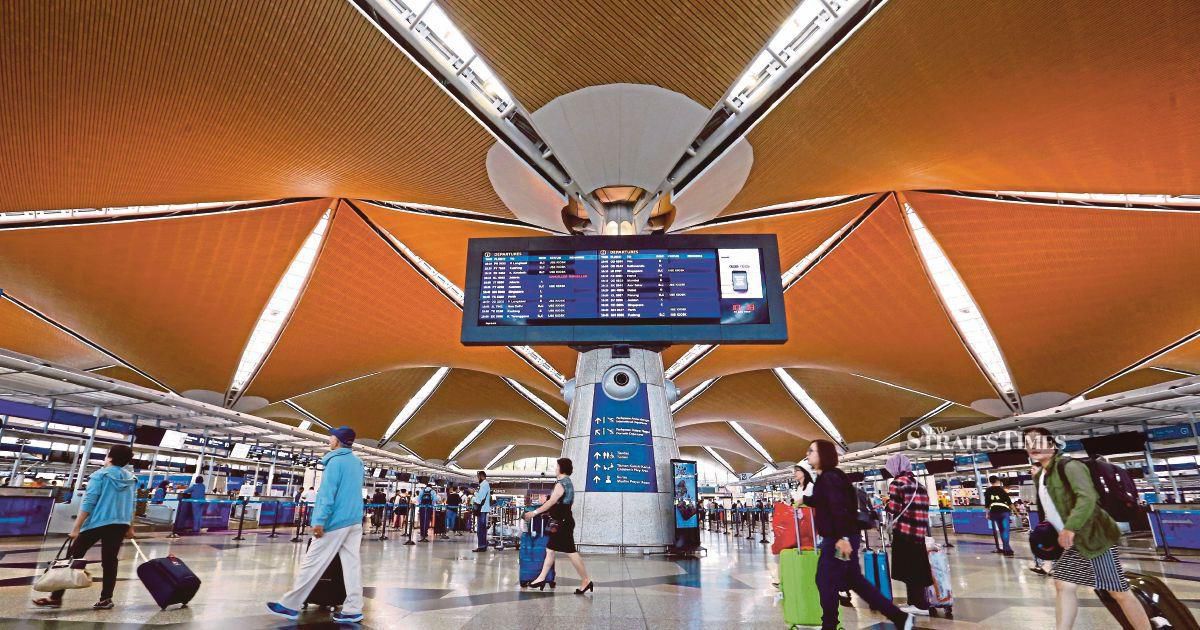
Malaysia Airports Holdings Bhd (MAHB) confirmed on Thursday that a technical defect had disrupted the baggage handling apparatus serving Terminal 1 at Kuala Lumpur International Airport (KLIA). The operator of the country's premier aviation hub disclosed that the problem affecting the cargo management system had been resolved by 5.30pm, following intervention by technical teams.
The baggage handling infrastructure at KLIA Terminal 1 represents a critical component of airport operations, processing thousands of passenger bags daily across dozens of flight movements. Any interruption to this system can create cascading delays that ripple through the terminal's departure and arrival schedules. Terminal 1 serves primarily international carriers and remains one of Southeast Asia's busiest aviation gateways, handling millions of passengers annually.
While MAHB's statement confirmed the technical nature of the disruption, specifics regarding the exact mechanism of failure were not immediately disclosed. Modern baggage systems rely on sophisticated conveyor networks, automated sorting machines, and electronic routing systems that coordinate with airline ground handlers. The complexity of these integrated systems means even minor software glitches or hardware malfunctions can impair the entire operation.
The timing of the incident warranted particular attention given that KLIA operates at near-capacity during afternoon hours, when banks of long-haul international flights typically depart. A baggage system malfunction during peak traffic periods can force airlines to implement manual handling procedures, significantly slowing check-in and bag drop-off operations while creating bottlenecks throughout the terminal.
For Malaysian travellers and international visitors transiting through KLIA, baggage handling efficiency directly influences their airport experience and connection reliability. Delays in luggage processing can threaten tight transfer windows, forcing passengers to miss onward flights or endure extended layovers. The resolution of such technical issues within a defined timeframe demonstrates the importance of rapid response protocols in modern airport management.
MAHB operates Malaysia's principal airports under federal concession, with KLIA serving as the flagship facility and primary international gateway. The airport's continued operational reliability underpins Malaysia's position as a regional aviation hub and reflects broader infrastructure competitiveness across Southeast Asia. Technical incidents, when handled promptly and transparently, reinforce stakeholder confidence in the airport's management capabilities.
The baggage handling system at Terminal 1 had undergone various upgrades and maintenance cycles in recent years as MAHB sought to enhance processing capacity and reliability. These investments reflect the operator's acknowledgment that system failures directly diminish airline efficiency and passenger satisfaction. The rapidity with which the technical team restored functionality on Thursday suggested that regular maintenance protocols and spare component availability remained in place.
Airlines operating from Terminal 1 depend heavily on predictable baggage system performance to maintain schedule integrity. Extended disruptions can necessitate flight delays, which trigger knock-on effects throughout the day's operations and potentially affect subsequent rotations at other airports. Ground handlers coordinating baggage operations must balance manual workarounds with system restoration efforts to minimize passenger impact.
The incident underscores the vulnerability of airports to technical failures affecting complex, interdependent systems. While most modern facilities maintain backup systems and contingency procedures, the integration of baggage handling with check-in, security, boarding, and aircraft loading means that single-point failures can prove consequential. MAHB's swift resolution prevented what might otherwise have escalated into significant operational disruption.
Looking ahead, the episode reinforces the necessity for continuous investment in infrastructure modernization and preventative maintenance across Malaysia's aviation sector. As passenger volumes continue to grow, ensuring that ground handling systems operate with maximum reliability becomes increasingly critical to maintaining service standards and operational efficiency.
No formal statement regarding passenger impact or compensation arrangements was released immediately following the resolution. Airlines and ground handlers who experienced disruptions during the outage period would have managed affected passengers according to respective protocols and service recovery standards. MAHB's confirmation of the problem and its timely resolution demonstrated institutional accountability and operational responsiveness to critical infrastructure challenges.

