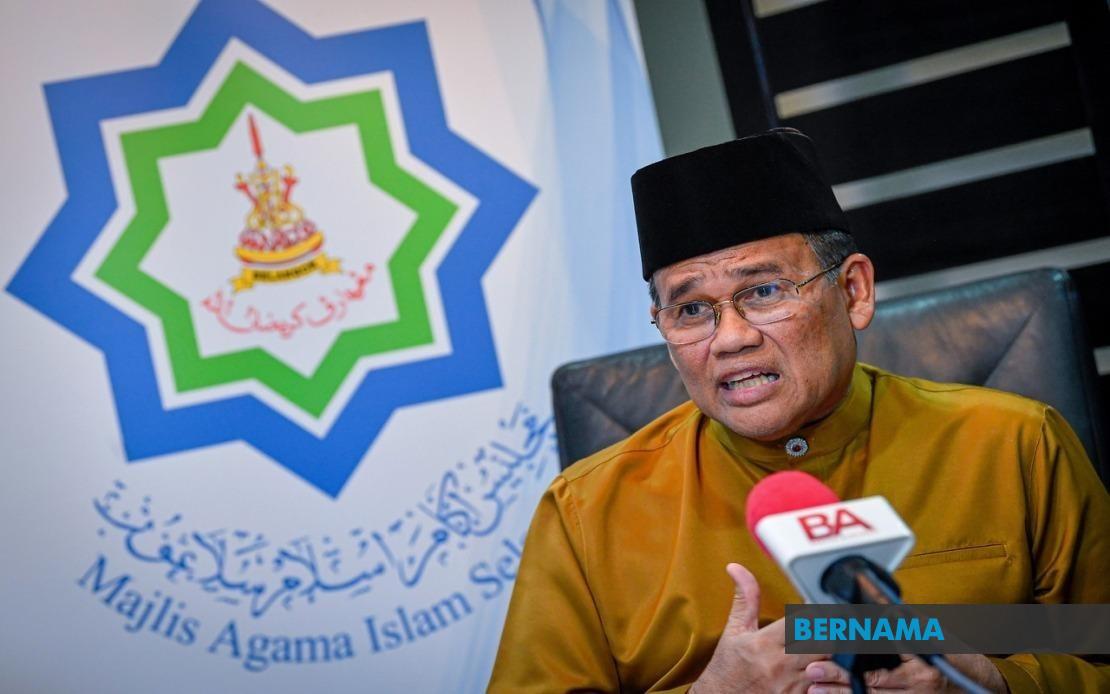
The Selangor Islamic Religious Council (MAIS) has arranged an emergency gathering of all stakeholders involved in a contentious burial delay incident at Ukay Perdana Muslim Cemetery in Hulu Kelang. The meeting will bring together representatives from the bereaved family, Masjid Nurul Hidayah in Kampung Pandan Dalam, the Salatulrahim Welfare Organisation (BKS), and the Selangor Islamic Religious Department (JAIS) to seek a collaborative solution to the ongoing dispute. MAIS chairman Datuk Salehuddin Saidin framed the initiative as essential for achieving fair outcomes whilst establishing safeguards against recurrence.
The incident has prompted widespread concern about funeral management standards across Selangor's Islamic institutions. Salehuddin conveyed MAIS's sympathy to the grieving family, acknowledging the additional distress caused by procedural complications during an already sensitive period. The council's public commitment to supporting the bereaved represents recognition of the emotional toll such bureaucratic failures inflict, particularly when they interfere with Islamic burial customs that require timely interment according to religious law.
Multiple parties have already initiated formal complaints through the criminal justice system. The mosque management, the deceased's family, and the BKS have each submitted separate police reports documenting their respective accounts of events. This fragmentation of complaints underscores the complexity of determining liability and identifying where communication breakdowns or procedural lapses occurred. Salehuddin's emphasis that police should conduct investigations "transparently and impartially" signals MAIS's confidence in law enforcement while subtly calling for public scrutiny of the process.
JAIS director Datuk Mohd Shahzihan Ahmad previously released preliminary investigation findings based on information provided by the mosque's management. MAIS has absorbed these conclusions but appears to be adopting a measured stance pending the police inquiry's completion. The distinction between JAIS's preliminary assessment and the pending police investigation creates potential for divergent conclusions, suggesting that multiple institutional perspectives may be necessary to fully understand what transpired.
Mais announced plans to comprehensively review how Selangor's mosques manage Islamic funeral and burial operations. This institutional audit aims to identify systemic weaknesses, operational inefficiencies, and compliance gaps that may have contributed to the incident. Such reviews typically examine everything from staff training protocols and documentation procedures to coordination mechanisms between religious authorities, cemetery operators, and grieving families. By targeting structural improvements rather than merely assigning individual blame, MAIS is attempting to transform a singular failure into a catalyst for broader institutional reform.
The council has committed to ensuring that Muslim funeral and burial management meets rigorous standards of accountability, efficiency, and Islamic law compliance. This multi-layered objective reflects the intersection of religious obligation, professional responsibility, and ethical duty. Islamic law stipulates specific timelines and procedures for handling the deceased, meaning delays constitute both practical inconvenience and potential violations of religious requirement. MAIS's framing encompasses all three dimensions, indicating recognition that satisfactory resolution demands religious, operational, and legal remedies.
Salehuddin issued a cautionary message to Malaysia's Muslim community about the importance of maintaining unity despite disagreements over specific issues. His invocation of "ukhuwah"—the Islamic principle of brotherhood and communal solidarity—serves as an implicit warning against allowing the burial delay controversy to degenerate into sectarian conflict or institutional hostility. In multicommunal Malaysia, Islamic institutional disputes carry broader ramifications for community cohesion, making Salehuddin's emphasis on restraint strategically significant.
The incident highlights vulnerabilities in how religious authorities coordinate across different organizational levels. MAIS operates as Selangor's supreme Islamic body, while JAIS enforces Islamic law, individual mosques manage ceremonies, and welfare organizations provide practical support. When communication falters among these entities, bereaved families become trapped in bureaucratic gaps. The urgent meeting format suggests recognition that incremental consultation has proven insufficient and that senior-level intervention is necessary to restore stakeholder confidence.
For Malaysian Muslims, particularly those in Selangor, this controversy raises practical concerns about the reliability of funeral services during personal crises. Families must trust that their loved ones' handling will comply with Islamic requirements and occur without unexplained delays. Any perception that cemetery management or mosque coordination is inadequate creates anxiety among the faithful. MAIS's visible engagement and commitment to systematic improvement attempts to reassure communities that the council takes these concerns seriously and will enforce accountability.
The broader Southeast Asian context adds significance to this dispute. Many ASEAN nations, including Malaysia, host substantial Muslim populations who expect their religious institutions to function with professionalism matching secular standards. When Islamic organizations fail in core responsibilities like funeral management, it can undermine confidence in religious governance more broadly. MAIS's response—combining immediate resolution efforts with long-term institutional review—reflects understanding that religious authority depends partly on operational competence, not merely theological legitimacy.
Looking forward, the investigation outcomes will likely influence how other Selangor mosques and cemeteries structure their operations. If the police inquiry identifies specific negligence or misconduct, affected individuals may face disciplinary action or prosecution. Conversely, if systemic communication failures emerge as the primary cause, MAIS's broader regulatory reforms become the critical remedy. The council's public positioning suggests it expects findings that require institutional-level responses rather than merely individual accountability.
The case ultimately underscores that managing Islamic funeral services involves complex coordination among religious, civil, and welfare actors. Malaysia's plural institutional landscape can either facilitate comprehensive, responsive grief support or create fragmentation that compounds families' suffering. MAIS's urgent intervention aims to shift the balance toward institutional harmony while establishing clear standards that honor both Islamic requirements and modern expectations of professional service delivery.

