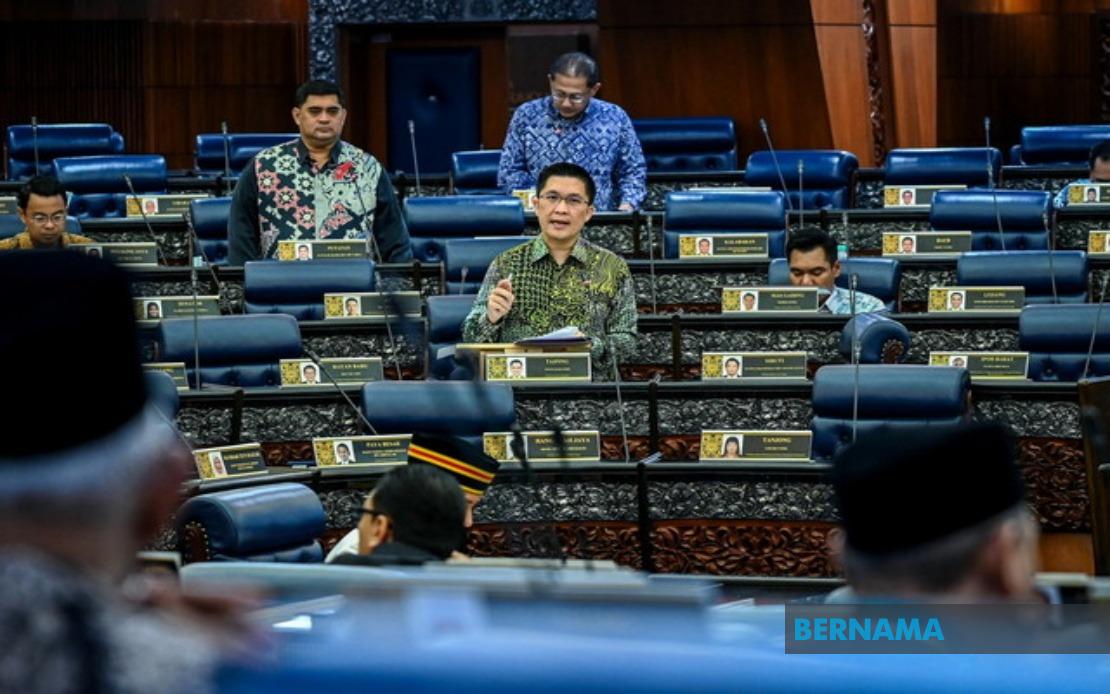
Malaysia's Education Ministry has achieved near-complete staffing of its preschool teaching workforce, with 99.8 per cent of posts filled as of July 1, according to Deputy Minister Wong Kah Woh. The impressive occupancy rate reflects a concerted push to expand early childhood education across the country, with 10,478 teachers now in position to support over 217,000 enrolled pupils. This staffing milestone demonstrates the government's commitment to making quality preschool education more accessible to Malaysian children, particularly as demand for structured early learning continues to rise in both urban and rural communities.
The acceleration of teacher recruitment has been substantial over the past two years. Between 2023 and 2025, the ministry deployed 1,202 new preschool educators, addressing capacity gaps identified during the previous enrolment surge. Wong emphasised that this hiring trajectory would persist, with additional teaching posts being filled in carefully planned phases rather than through ad-hoc recruitment. This measured approach allows the Education Ministry to maintain quality control and ensure that new educators are properly integrated into the existing system without straining resources or compromising pedagogical standards.
Operating 10,491 preschool classes nationwide as of May 31, the Education Ministry has significantly expanded its early childhood infrastructure. These classrooms now serve children across diverse socioeconomic backgrounds and geographic regions, from densely populated urban centres to more remote areas where private preschool options remain limited. The geographic spread of these facilities represents a critical step towards reducing educational inequality at the foundational stage, where early intervention and quality instruction can yield substantial long-term benefits for child development and academic preparedness.
Quality assurance has become a central pillar of the ministry's preschool strategy, complementing its staffing expansion. The Education Ministry has invested heavily in strengthening training programmes at multiple levels, including pre-service preparation for new educators and continuous in-service development for experienced teachers. These initiatives ensure that Malaysia's preschool workforce remains aligned with contemporary standards in early childhood education, equipping instructors with evidence-based teaching methodologies and child development expertise that enhance learning outcomes.
The ministry's growth strategy extends well beyond current operations. Wong revealed an ambitious five-year roadmap aimed at opening an additional 1,040 preschool classes, with 300 classes targeted for the coming year alone. This expansion plan reflects demographic projections and anticipated demand fluctuations across different states and districts. By anchoring growth targets to actual enrolment data and local needs assessments, rather than arbitrary expansion, the Education Ministry seeks to maximise the relevance and utilisation of new facilities while avoiding the creation of underutilised classrooms in areas with lower child populations.
Location selection for new preschool classes follows a rigorous assessment framework that considers multiple variables. The Education Ministry evaluates the number of children within the eligible age cohort, existing local demand, transportation accessibility, and community demographics before committing resources to opening new facilities. This data-driven approach ensures that new classes are established where they address genuine gaps in provision, rather than in areas where private preschools already cater to market demand or where child populations are declining. Such strategic placement maximises the return on public investment in early childhood infrastructure.
For six-year-old children who have missed preschool opportunities, the Education Ministry recognises a critical window for intervention. Rather than viewing preschool solely as an enrichment service for younger children, the ministry is pursuing expansion strategies that could accommodate older children within the primary school system or through specialised catch-up programmes. This inclusive approach acknowledges that late entry into structured early education, while non-ideal, remains preferable to complete absence of such preparation before formal primary schooling begins.
The ministry's collaborative framework extends beyond internal Education Ministry structures to encompass multiple government agencies with overlapping mandates in early childhood development. Partnership with State Education Departments ensures coordination of preschool provision within each state's unique demographic and economic context. The Community Development Department (KEMAS), which operates its own network of community-based childcare and preschool facilities, plays a vital complementary role in serving families in less urbanised areas and lower-income communities. This multi-agency approach leverages the comparative advantages of different government bodies to achieve broader access.
For Malaysian policymakers and educators, the near-completion of staffing targets signals a transition from recruitment phases to quality consolidation and strategic expansion. The ministry must now focus on retention of its expanded teaching force, offering competitive compensation and career pathways that prevent burnout and flight to private sector positions. Staff development investments will become increasingly important as the workforce expands to include many newly trained educators still establishing their professional practice.
The regional context underscores Malaysia's position within Southeast Asia's early childhood education landscape. While countries like Thailand and Vietnam have pursued aggressive preschool universalisation programmes, Malaysia's incremental expansion model reflects different fiscal constraints and educational philosophies. The emphasis on public-sector provision through the Education Ministry represents a deliberate policy choice to prioritise equity and accessibility, contrasting with more market-oriented approaches in neighbouring economies where private preschools dominate the landscape.
For Malaysian families, particularly those in rural areas and lower-income urban communities, the expansion of government preschool capacity offers meaningful alternatives to unaffordable or unavailable private options. Access to quality early education has documented effects on primary school readiness, literacy acquisition, and long-term academic performance. By systematically expanding its preschool footprint, the Education Ministry addresses a critical equity gap that, if left unattended, would perpetuate educational disadvantages among children from disadvantaged backgrounds.
The sustainability of Malaysia's preschool expansion depends on continued budgetary commitment and the ability to attract and retain quality educators. Salary structures, professional development opportunities, and working conditions in government preschools must remain competitive relative to private sector alternatives. Additionally, as new classes open and enrolment increases, the ministry must maintain the quality standards established during its earlier consolidation phase, ensuring that expansion does not come at the expense of pedagogical excellence or child-centred learning approaches.

