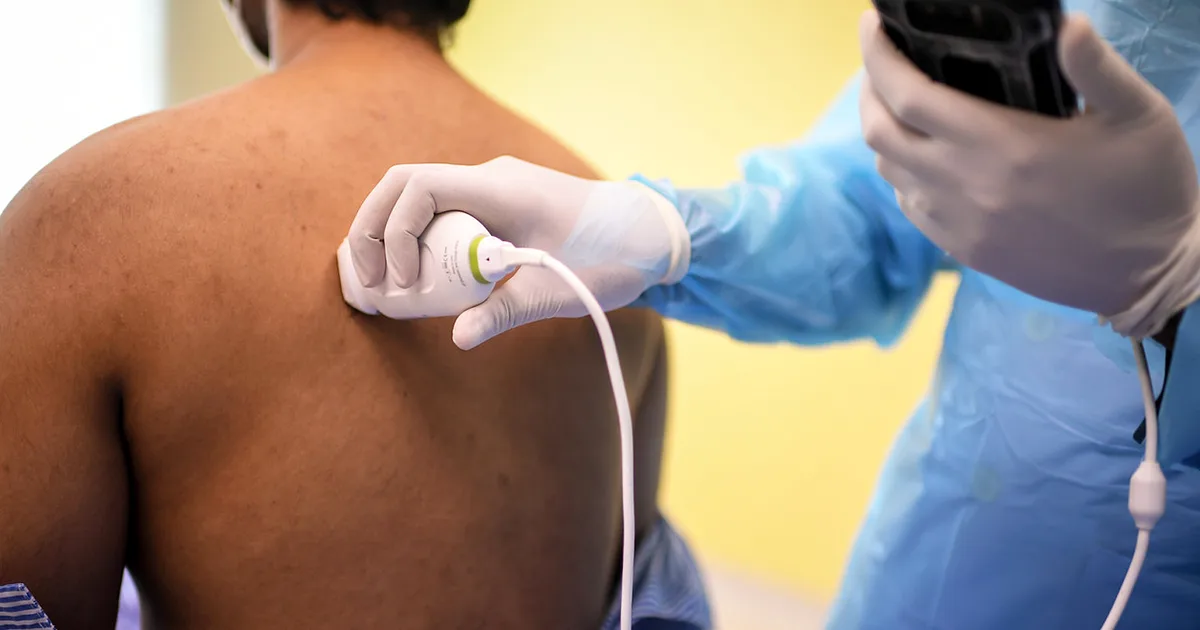
Malaysia has set its sights on capturing RM50 billion in medical technology exports by 2030, marking a significant ambition for the nation's healthcare innovation sector. Deputy Prime Minister Zahid Hamidi articulated this target as part of a broader economic strategy that reflects growing recognition of the need to move beyond traditional manufacturing roles into higher-value technological development. The declaration underscores how policymakers are increasingly focused on positioning Malaysia as a knowledge-driven economy rather than simply as a place where multinational firms assemble products for export.
The shift in focus outlined by Zahid represents a fundamental reorientation of how Malaysia approaches its role in the global medical device and pharmaceutical landscape. For decades, the country has served primarily as a manufacturing hub, hosting production facilities for international companies seeking cost-effective assembly and export operations. While this has generated employment and foreign investment, it has also left Malaysia dependent on decisions made in boardrooms elsewhere and vulnerable to shifts in global supply chains. The new emphasis on developing homegrown technology and securing proprietary intellectual property reflects a dawning realisation that sustainable economic growth requires deeper participation in the innovation cycle.
The medical technology sector offers particular promise for this transition. Southeast Asia's ageing populations, rising healthcare spending, and growing demand for advanced medical devices create substantial market opportunities within the region itself. Malaysia, with its existing manufacturing infrastructure, skilled workforce, and developing research institutions, is well-positioned to capture a share of this demand. However, competing successfully in this space requires more than assembly lines—it demands laboratories, research teams, patent portfolios, and companies capable of designing solutions that address real clinical needs.
Developing genuine technological capabilities in medical devices and equipment would diversify Malaysia's economy beyond its current reliance on palm oil, semiconductors, and petrochemicals. These existing sectors face various headwinds: international pressure on palm oil production, intense global competition in chips, and volatile commodity prices for energy products. A thriving medical technology ecosystem could provide more stable long-term growth and create high-skill employment that commands premium wages. This diversification is particularly important given regional competition; Thailand, Singapore, and South Korea are already investing heavily in healthcare innovation clusters.
The RM50 billion target, while substantial, requires careful context. For perspective, Malaysia's total merchandise exports in recent years have hovered around RM900 billion to RM1 trillion annually. Achieving this would mean medical technology representing roughly 5 to 6 percent of export earnings—a significant but not unprecedented share for a priority sector. However, reaching this figure demands sustained investment in research and development, education in engineering and biotechnology, and incentives that attract both domestic entrepreneurs and international collaboration partners.
Successful implementation will require coordinated effort across multiple fronts. Government policies must facilitate intellectual property protection, reduce bureaucratic barriers to business formation, and ensure adequate funding flows to promising ventures. Universities need to strengthen their connections to industry and ensure their research agendas align with commercial viability alongside academic merit. Private sector companies must be encouraged to invest in R&D rather than merely optimising manufacturing costs. Singapore and South Korea have demonstrated that such ecosystems are achievable, though they required sustained commitment over decades rather than sudden strategic pivots.
Regional dynamics add another layer of complexity. The ASEAN region itself offers substantial markets, with countries like Indonesia, Vietnam, and the Philippines grappling with healthcare delivery challenges that medical technology can address. Malaysia could position itself not just as a manufacturer but as a regional innovation hub, developing solutions tailored to Southeast Asian healthcare needs and building export networks throughout the bloc. This approach would align with broader economic integration objectives and create deeper supply chain relationships within ASEAN.
The intellectual property dimension that Zahid emphasised deserves particular attention. Companies that own the patents and designs for medical devices capture far higher profit margins than those merely contracted to manufacture them. Building intellectual property portfolios requires investment in talent acquisition, protection mechanisms, and commercialisation expertise. It also demands a cultural shift within Malaysian industry toward viewing innovation as a core competitive advantage rather than a cost to be minimised.
Financing this ambition will test government commitment. Venture capital markets in Malaysia for deep-tech medical ventures remain underdeveloped compared to Singapore or more mature markets. Public funding through research councils and enterprise development agencies will likely need expansion. Tax incentives, loan guarantees, and other support mechanisms typically offered to strategically important sectors could accelerate growth, though policymakers must ensure such support reaches genuinely innovative enterprises rather than becoming tools for rent-seeking.
The timeframe to 2030 is both ambitious and realistic. A decade provides sufficient time to establish research facilities, nurture startup ecosystems, and develop the regulatory frameworks necessary for bringing new devices to market. Yet it is short enough that decisions made in the next year or two will determine whether this target becomes achievable. Successful initiatives in neighbouring countries suggest that with genuine commitment and strategic investment, Malaysia can realistically build meaningful medical technology capabilities within this window.
Ultimately, Zahid's articulation of this target signals that Malaysia recognises the necessity of economic transformation. The nation cannot compete indefinitely on manufacturing costs alone; eventually, cheaper locations will emerge. Building a knowledge economy centred on medical technology innovation offers an avenue toward higher wages, more stable employment, and greater economic resilience. Whether Malaysia can execute this transition depends on sustained political will and the ability to coordinate complex policy interventions across education, research, business, and regulation.

