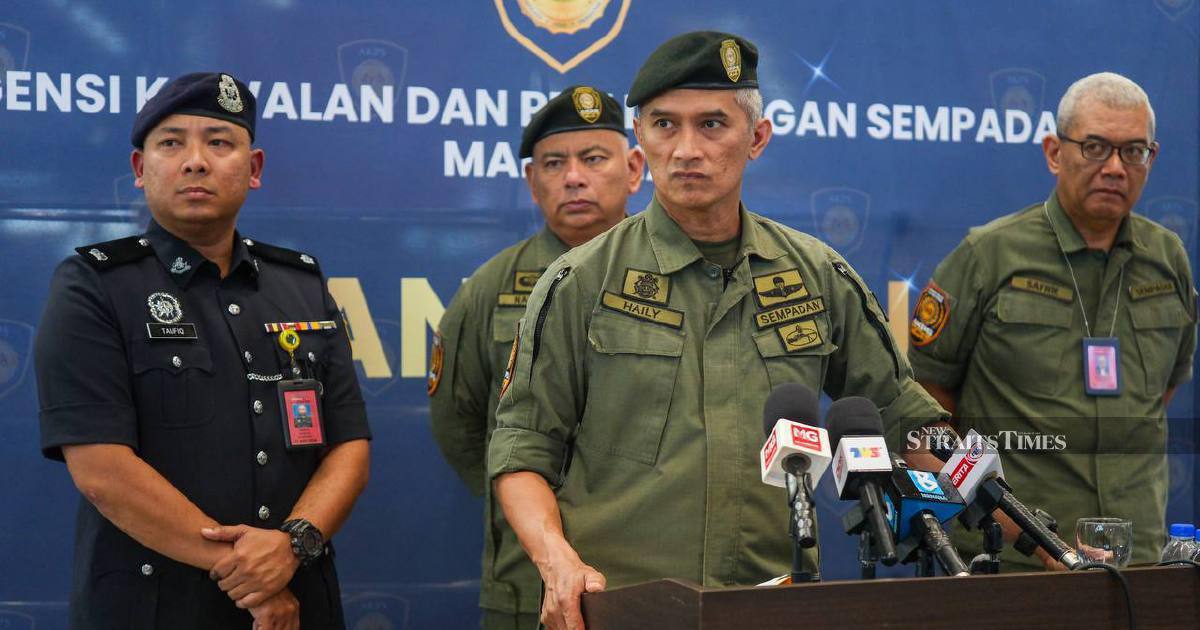
The Malaysian Customs and Border Authority (MCBA) has reaffirmed its commitment to proper airport security protocols in the wake of an international incident involving a Malaysia Airlines pilot who was taken into custody by Indonesian authorities on suspicion of attempting to smuggle narcotics across the border. Officials from the authority made clear that the screening procedures applied during the pilot's departure from Malaysia adhered fully to established guidelines, raising questions about the detection capabilities of modern airport security systems and the nature of interdiction efforts across the region's aviation sector.
The controversy has thrust Malaysia's border security measures into the spotlight at a time when Southeast Asian nations are intensifying efforts to combat drug trafficking through airports, seaports, and land crossings. The incident underscores the complex relationship between technological advancement and human vigilance in security operations, particularly as aviation authorities across the region grapple with the dual challenges of maintaining passenger flow efficiency and preventing the movement of contraband through increasingly busy hubs.
According to MCBA statements, the artificial intelligence-assisted scanning equipment deployed at Malaysian airports did not produce alerts regarding the pilot's baggage during routine screening. This detail has prompted broader discussions about the limitations and capabilities of automated detection systems, which represent significant investments for border agencies seeking to modernise their operations. The technology, while sophisticated, operates within parameters set by human operators and can only identify anomalies based on predetermined risk profiles and imaging analysis.
The authority's emphasis on adherence to standard operating procedures suggests that even when technology fails to flag suspicious items, the human elements of the screening process—including visual inspection, questioning protocols, and secondary searches—were executed according to established guidelines. However, the distinction between following procedures and achieving their intended security outcomes has become a focal point of discussion among aviation security experts and industry observers throughout Southeast Asia.
This incident carries particular significance for Malaysia's reputation as an international aviation hub, where passenger volumes and cargo movements make security operations exceptionally challenging. Kuala Lumpur International Airport and other major Malaysian facilities process millions of passengers and tonnes of cargo annually, creating an environment where even rigorous screening systems face constraints in identifying concealed contraband among vast numbers of travellers and shipments.
The involvement of Indonesian authorities in the arrest has also highlighted the importance of regional cooperation in combating transnational drug trafficking. When contraband successfully passes through one country's borders, the responsibility for interdiction often falls to neighbouring nations, underscoring the need for coordinated intelligence sharing and harmonised security standards across Southeast Asia's aviation network. The incident demonstrates that no single nation's border security operates in isolation.
Malaysia Airlines, as one of the region's major carriers, has an institutional interest in maintaining public confidence in its operations and the security of its aircraft. The company's reputation depends partially on passenger perceptions of safety and the integrity of its personnel vetting processes. The pilot's employment status and the circumstances under which the alleged smuggling attempt occurred will likely be subject to ongoing review by both Malaysian civil aviation authorities and the airline itself.
The detection of contraband at borders remains an imperfect science despite technological advances, with enforcement agencies acknowledging that some items successfully evade multiple layers of security screening. The reliance on artificial intelligence and scanning technology creates a false sense of certainty among the travelling public, who often believe that modern airports possess foolproof detection systems. In reality, the technology operates within constraints of time, resources, and technical limitations that inevitably allow some contraband to pass through.
Looking forward, this incident may prompt Malaysian authorities to review their screening protocols not to assign blame, but to identify potential enhancements to the security architecture. Whether through additional training for screeners, adjustments to AI system parameters, or expanded secondary screening for high-risk passengers, border agencies typically use such cases as opportunities for continuous improvement. The challenge remains balancing security effectiveness against passenger convenience and operational efficiency.
The broader implications extend to Southeast Asian aviation security standards, where variations in equipment, training, and protocols across countries create vulnerability gaps that smugglers can potentially exploit. International bodies such as the International Civil Aviation Organization establish recommendations, but implementation varies significantly depending on each nation's resources and priorities. Malaysia's status as a developed aviation market means it maintains relatively advanced security infrastructure compared to some neighbouring countries, yet this incident reveals that technology and procedures alone cannot guarantee complete interdiction of contraband.
For Malaysian travellers and the international aviation community, the MCBA's insistence that procedures were properly followed may provide some reassurance about the baseline standards maintained at Malaysian airports. However, it also highlights the reality that perfect security is unattainable, and that sophisticated smuggling operations often succeed despite well-designed systems and trained personnel. The investigation into the pilot's activities will likely continue in Indonesian jurisdiction, while Malaysian authorities assess any internal measures needed to prevent similar incidents involving their own staff.

