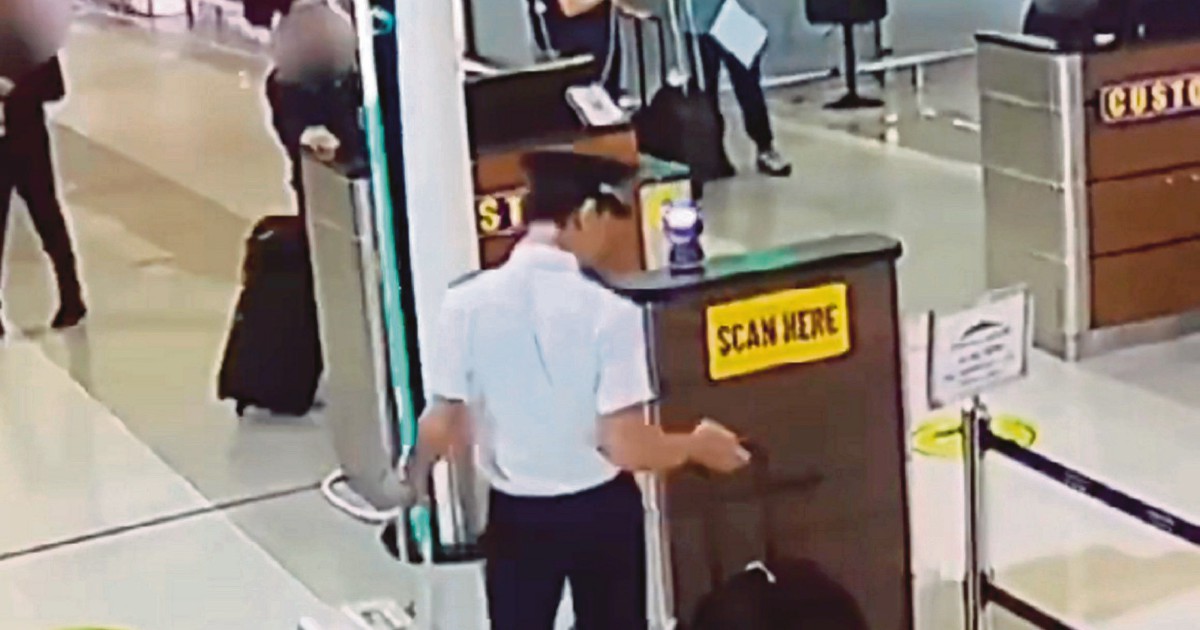
A Malaysia Airlines captain's detention in Indonesia for allegedly attempting to transport 25 kilograms of ecstasy tablets has triggered intense scrutiny of security protocols at Kuala Lumpur International Airport, with senior aviation figures demanding answers about how such a breach could occur. The incident has exposed potential vulnerabilities in the layers of screening designed to prevent prohibited items from leaving Malaysia, catching the attention of flight crews and safety advocates who rely on these measures to protect aircraft operations and public safety.
The arrested pilot's ability to navigate through multiple security checkpoints without detection has alarmed senior captains and first officers across Malaysia Airlines, who are now questioning the effectiveness of current vetting procedures and physical screening mechanisms at KLIA. These professionals argue that the screening system should have identified the contraband before the officer reached the departure gates, raising fundamental questions about how comprehensively baggage and personnel are being examined prior to international flights. The concern extends beyond a single individual's misconduct to encompassing systemic weaknesses that could potentially be exploited by others.
For Malaysia Airlines, the incident represents a significant reputational challenge at a time when the carrier has been working to rebuild public confidence. The company operates from KLIA as its primary hub, serving hundreds of flights daily, and maintains strict security standards to comply with international aviation regulations. However, the breach suggests that either procedural compliance has lapsed or that the current systems lack sufficient robustness to detect determined attempts to circumvent screening. This creates particular concern given Malaysia's position as a major regional aviation hub and the country's responsibility to maintain the highest security standards.
The broader implications for KLIA's operations are substantial. As one of Southeast Asia's busiest airports handling millions of passengers annually, any security compromise undermines confidence in the airport's management and oversight. Airport authorities now face pressure to conduct comprehensive audits of their screening processes, identify where the pilot bypassed controls, and implement corrective measures. This may include reviewing staff training protocols, upgrading screening technology, and strengthening accountability mechanisms among personnel responsible for security checkpoints.
Malaysia Airlines has indicated its willingness to cooperate fully with investigations, recognizing that the airline's reputation depends on demonstrating that it takes security breaches seriously. The carrier is likely to implement enhanced internal vetting procedures, including more rigorous background checks on crew members and potentially more frequent random security inspections of staff. Senior management at the airline will need to communicate transparently with pilots and flight crew about what went wrong and what measures are being taken to prevent similar incidents.
The incident also raises questions about coordination between Malaysian and Indonesian authorities. The pilot was ultimately apprehended in Indonesia, indicating that contraband may have successfully cleared KLIA's screening. This suggests either a breakdown in terminal security or that the individual managed to conceal the materials exceptionally well. Regardless, it demonstrates a potential gap in detection capabilities that could apply to other prohibited items, including weapons or explosives. Authorities in both countries will likely review how intelligence is shared regarding suspicious activities involving aviation personnel.
International civil aviation authorities are watching this situation closely, as security breaches involving airline staff present unique challenges. Unlike regular passengers, crew members have expanded access to restricted areas of airports and aircraft, making their integrity essential to overall security. If a uniformed officer can circumvent screening, it raises questions about whether the system adequately accounts for the unique access privileges that aviation personnel possess. The International Air Transport Association and regional aviation bodies may issue guidance requiring additional measures specifically targeting crew members.
From a Malaysian perspective, the incident occurs amid ongoing efforts to enhance regional aviation security standards. Southeast Asia has experienced various security challenges in recent years, and individual countries bear responsibility for maintaining screening integrity. KLIA's position as a leading regional airport means that any security failure has implications beyond Malaysia, affecting passenger confidence across the region and potentially influencing how international carriers view operating from the hub. Airlines considering establishing operations or increasing flights through KLIA will factor security reliability into their assessments.
The investigation into how the pilot bypassed security will likely involve detailed examination of CCTV footage, interview of personnel at various checkpoints, and analysis of procedural compliance records. If negligence or misconduct is discovered among security staff, they may face disciplinary action or criminal charges. Conversely, if the breach exploited genuine system weaknesses, this will drive technological and procedural improvements. Either scenario requires urgent remediation to restore confidence in KLIA's security architecture.
Looking forward, this incident may accelerate implementation of enhanced screening technologies at KLIA, such as advanced scanners capable of detecting concealed items within clothing or luggage more effectively than current equipment. Additionally, behavioral profiling and risk-assessment protocols may be strengthened to identify suspicious patterns among personnel. The airport operator will likely increase training frequency for security staff and implement stricter supervision of screening processes to prevent complacency or corner-cutting that might enable future breaches.
For the aviation sector in Malaysia, the incident serves as a sobering reminder that security is only as strong as its weakest link, and that personnel with legitimate airport access represent both valuable members of the aviation community and potential security risks. Rebuilding stakeholder confidence will require demonstrating concrete improvements in screening effectiveness and transparency about findings from the investigation. The industry will watch closely to see whether Malaysian authorities implement sufficiently comprehensive reforms to prevent similar incidents and restore the security reputation that KLIA has worked to maintain.

