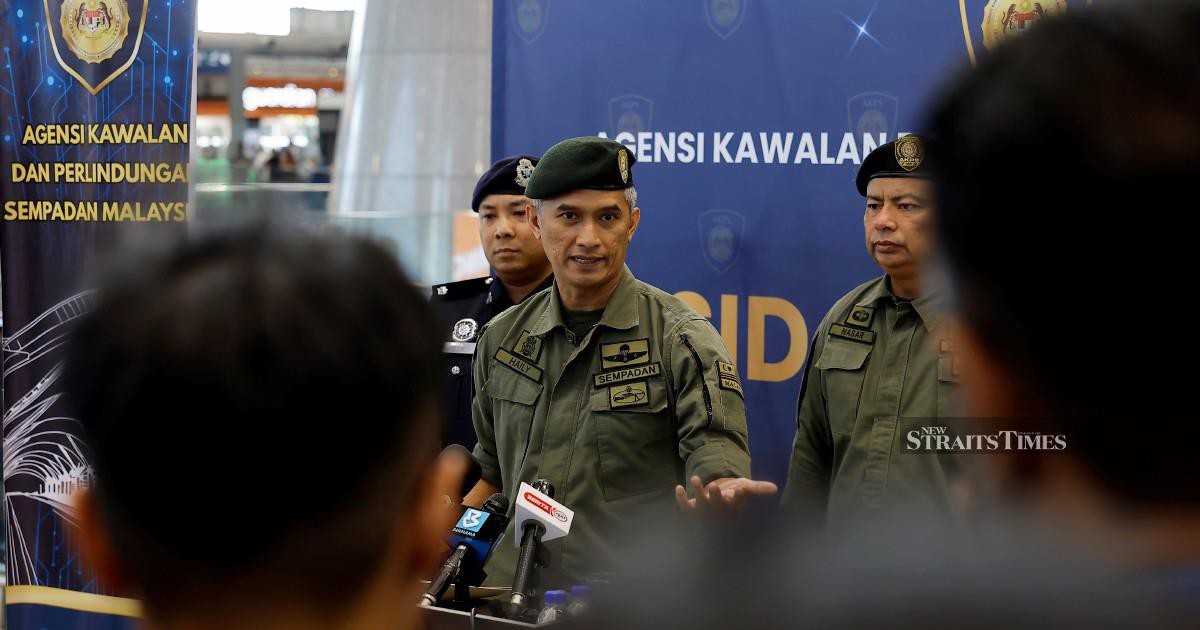
Transport Minister Shuhaily Shariman has moved to clarify the institutional responsibility for baggage screening following the detention of a Malaysia Airlines pilot in Indonesia last week, confirming that the Aviation Security (AVSEC) unit handled the screening rather than the newly formed Malaysia Border Control and Protection Agency. The statement comes amid mounting scrutiny over security lapses at Malaysian airports, particularly regarding how such a substantial quantity of illicit drugs—70,000 ecstasy pills—managed to pass through checkpoint procedures undetected.
The distinction between AVSEC and MCBA carries significant implications for understanding Malaysia's current aviation security architecture. AVSEC, which falls under the purview of Malaysia Airports Holdings Berhad, operates the screening systems at commercial airports and serves as the frontline defence against prohibited items being carried onto aircraft. The MCBA, established more recently as part of efforts to consolidate border management functions, handles immigration and customs enforcement but does not directly oversee airport security screening operations. This structural separation, while common in many nations, has drawn attention given the apparent breach.
The arrested pilot's discovery with the substantial cache of ecstasy pills represents a significant security incident for Malaysia's aviation sector. The contraband was uncovered not at the point of departure from Malaysia, but rather during subsequent procedures in Indonesia, raising uncomfortable questions about whether Malaysia's existing screening protocols are sufficiently robust. The timing and scale of the discovery underscore the ongoing challenge that airport authorities and security agencies face in detecting concealed narcotics among the thousands of passengers and crew members who transit through Malaysian airports daily.
Shuhaily's clarification, while attributing the screening responsibility to AVSEC, does not absolve the system of scrutiny. AVSEC's operational frameworks, staff training protocols, and equipment capabilities have all come into question following the incident. The fact that the contraband successfully navigated what should be comprehensive baggage screening procedures suggests either a gap in implementation, equipment limitations, or procedural weaknesses that require urgent investigation and remediation. Industry observers note that modern baggage screening systems, particularly advanced X-ray and explosive detection equipment, should theoretically identify large quantities of compressed pills or tablets.
The broader context of aviation security in Southeast Asia makes this incident particularly significant for Malaysian stakeholders. The region has historically faced scrutiny from international aviation authorities regarding security standards, and any high-profile breach risks affecting Malaysia's standing within global aviation networks. Airlines operating from Malaysia, including the national carrier, depend on maintaining strong security credentials to ensure passenger confidence and regulatory compliance with international standards set by the International Civil Aviation Organization.
For Malaysia Airlines specifically, the incident represents a reputational challenge requiring careful management. As the nation's flagship carrier, the airline's crew members are expected to exemplify the highest standards of conduct and integrity. The arrest of a pilot—a position of considerable trust and responsibility—with such a large quantity of illegal substances carries implications beyond the individual case, potentially affecting passenger confidence and the airline's standing in competitive global markets. The airline has not yet issued public statements addressing its own internal screening procedures or crew vetting protocols.
The incident also highlights the complex international enforcement landscape surrounding drug trafficking through aviation channels. The fact that the discovery occurred in Indonesia rather than Malaysia indicates that regional cooperation in aviation security, while functional, may not be providing seamless coverage. Coordinating screening standards, information sharing, and enforcement across multiple national jurisdictions remains a persistent challenge throughout Southeast Asia, where drugs destined for various markets often transit through hub airports.
From a regulatory perspective, Malaysian authorities are likely to face pressure to review and potentially strengthen AVSEC's operational protocols. This could include examining staff training standards, equipment modernisation, and the frequency of security audits. The incident may also prompt discussions about whether additional oversight mechanisms should be instituted, particularly regarding crew members whose trusted status might inadvertently create blind spots in security procedures. Some airports globally have implemented enhanced screening for airline staff to prevent precisely this type of breach.
The question of how to balance security efficiency with practical operations remains central to this matter. Aviation stakeholders must screen vast numbers of passengers and crew members daily; overly stringent measures risk creating operational bottlenecks that can impact flight schedules and customer experience. Conversely, insufficient rigour creates precisely the vulnerabilities that this case demonstrates. Finding this equilibrium requires investment in both technology and human resources, areas where Malaysian airport operations have progressively improved but where further enhancement remains possible.
Looking forward, this incident will likely feature in upcoming discussions about Malaysia's border security and aviation safety frameworks. Whether MCBA's formation and mandate should be expanded to directly oversee airport screening, or whether current institutional arrangements prove adequate with improved implementation, remains an open question. What is clear is that stakeholders across government, aviation, and security sectors will face pressure to demonstrate that the systems designed to protect travellers and prevent criminal activity are functioning as intended. The minister's clarification, while technically accurate about institutional responsibility, ultimately underscores that accountability for this security gap must be thoroughly established and remedied.

